Tucked away in the remote northeastern corner of Tanzania, beneath the dramatic slopes of the Pare and Usambara Mountains, lies one of the country’s least-visited treasures: Mkomazi National Park.
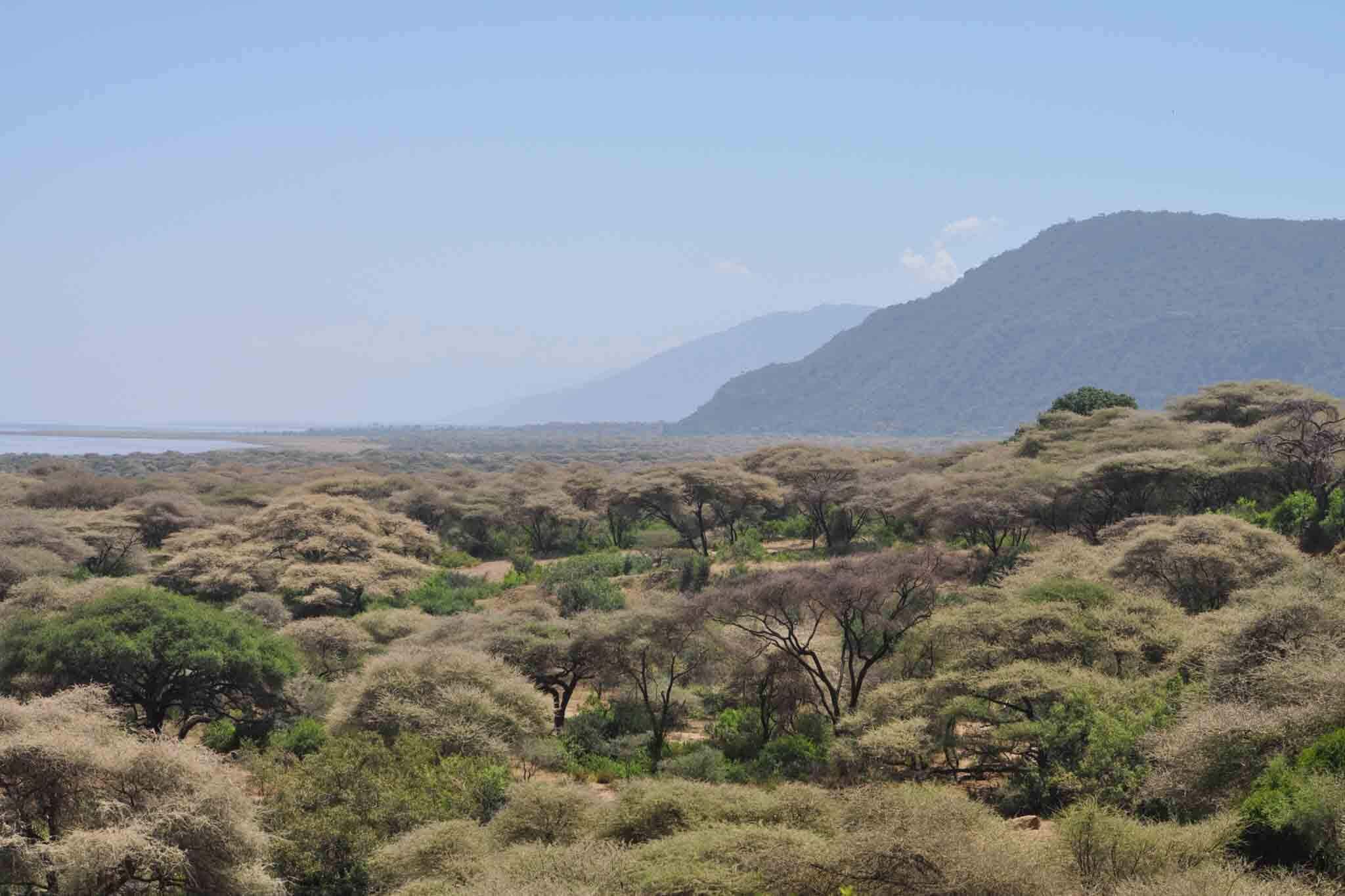
With clear views of Mt. Kilimanjaro on the horizon and a vast wilderness of baobabs, acacia woodlands, and classic East African savannah, Mkomazi is an untouched gem ideal for travelers seeking solitude, conservation success stories, and exceptional birdlife.
At 3,234 square kilometers, Mkomazi is considerably larger than many other parks in the north, yet it remains blissfully quiet and off-the-beaten-track. The park is part of a vital transboundary ecosystem together with Kenya’s Tsavo National Park, forming one of East Africa’s largest protected wilderness areas, where migratory elephant herds roam freely between the two countries.
Mkomazi is known for its over 400 bird species, its rare dry-land wildlife such as oryx and gerenuk, and one of Tanzania’s most important conservation projects: the Black Rhino Sanctuary, home to a growing, carefully protected population of critically endangered black rhinos.


Mkomazi is easy to reach yet rarely crowded, making it one of Tanzania’s best-kept secrets. Its combination of sweeping dry landscapes, dramatic mountain backdrops, unique wildlife, and fascinating conservation history make it an unforgettable addition to any northern circuit itinerary, especially for travelers who value pristine, quiet wilderness.
Mkomazi is internationally recognized for its groundbreaking conservation work.In 1989, the Tanzanian government partnered with the George Adamson Wildlife Preservation Trust to restore habitats and reintroduce two endangered species: the black rhino and the African wild dog.
Visitors can enter the rhino sanctuary to observe these animals up close: an extraordinary and emotional experience that highlights the impact of long-term conservation efforts.
Thanks to its vast open spaces and low visitor numbers, Mkomazi is a spectacular destination for guided walking safaris. Accompanied by an armed ranger, you’ll explore rolling hills, rocky outcrops, and dry shrubland dotted with ancient baobabs. Walks typically take two to three hours and reward you with panoramic viewpoints across the valley and towards Kilimanjaro.
A walking safari in Mkomazi offers a peaceful, intimate connection with nature far from the crowds, surrounded only by the sounds of the bush.

The best time to visit Mkomazi National Park depends on what you are hoping to see. Because the park lies in a dry, semi-arid region, the seasons strongly influence both wildlife viewing and the overall atmosphere.
For the best wildlife sightings, the dry season from June to October is ideal. During these months, vegetation thins out, and animals gather around the remaining water sources, making them much easier to spot. That is also when the rhino sanctuary is at its most rewarding, with excellent visibility due to the dried out vegetation. This season also offers comfortable walking conditions. Temperatures are warm and pleasant, and roads inside the park are at their best.
The wet season, from November to May, transforms Mkomazi into a completely different landscape. The hills turn green, the views of the Pare and Usambara Mountains become dramatic, and seasonal elephant movements continue between Tsavo and Mkomazi. Birdlife peaks during this period, with an impressive number of migratory species joining the park’s resident species. Showers typically arrive in short bursts, leaving plenty of time for game viewing in between. Between January and February is a short dry season.
Both seasons offer something special:
Because Mkomazi is far less visited than the rest of the northern circuit, it remains wonderfully quiet year-round. This means that there’s never a “crowded” time.
A short list of the ‘most wanted’ animals in Mkomazi National Park and the chances of spotting them. Some animals are (almost) unique to each park or only appear in certain areas. It’s important to let us know your wildlife preferences, so we can give you the best chance of spotting your favorite animal.
The numbers listed are an estimation of how often we’ve seen these animals ourselves based on our visits. Some animals we’ve seen 100%, everytime we’ve visited. However, it’s not a zoo, so there’s always a chance you miss an animal.
Feel like visiting yet?
This area is characterized by open savannah and acacia woodlands, where large herbivores like zebras, giraffes, and antelopes roam freely. The wide, open vistas make it ideal for game drives and spotting predators such as lions and cheetahs.
Rolling hills and rugged terrain dominate the southern region, providing a cooler microclimate and unique vegetation. The hills also create natural corridors for wildlife movement and offer spectacular viewpoints.
These low-lying plains are dominated by nyika shrubland and sparse acacia trees. During the dry season, wildlife concentrates around remaining water sources, making it a hotspot for observing elephants and other large mammals.
Rivers such as the Mkomazi and Kairo, a seasonal tributary, carve through the western areas, supporting lush vegetation and seasonal wetlands. These valleys are crucial for both wildlife and birdlife, attracting a variety of species during the green season.
Mkomazi National Park lies in a semi-arid region of northeastern Tanzania, giving it a generally warm, dry, and sunny climate. Daytime temperatures typically range between 25 and 30°C, while nights can cool down to 15–18°C, offering a comfortable respite from the heat. The park’s landscape is characterized by nyika shrubland, open savannah, and scattered acacia woodlands, creating vast, open vistas under expansive skies.
Rainfall is generally low, but during the green season (roughly November to May), the park transforms into a vibrant, photogenic oasis. The vegetation bursts to life, rivers flow, and wildlife becomes more concentrated around water sources, making it an excellent time for photography and wildlife spotting. There is a dry period between January and February.
The dry season (June to October) brings more arid conditions, but it also offers spectacular clarity in the skies, especially over the surrounding mountains and even as far as Kilimanjaro.
Each season brings its own unique charm, from lush greenery to dramatic, sun-drenched landscapes perfect for exploration.
Mkomazi National Park offers more than ‘just’ wildlife spotting. There’s quite a few amazing activities you can undertake if you’re on your way to the park.
For example:
For more info check out the activities on the right or contact us.

Note: Like all national parks in Tanzania, driving is allowed between 6:00 AM and 6:00 PM only.