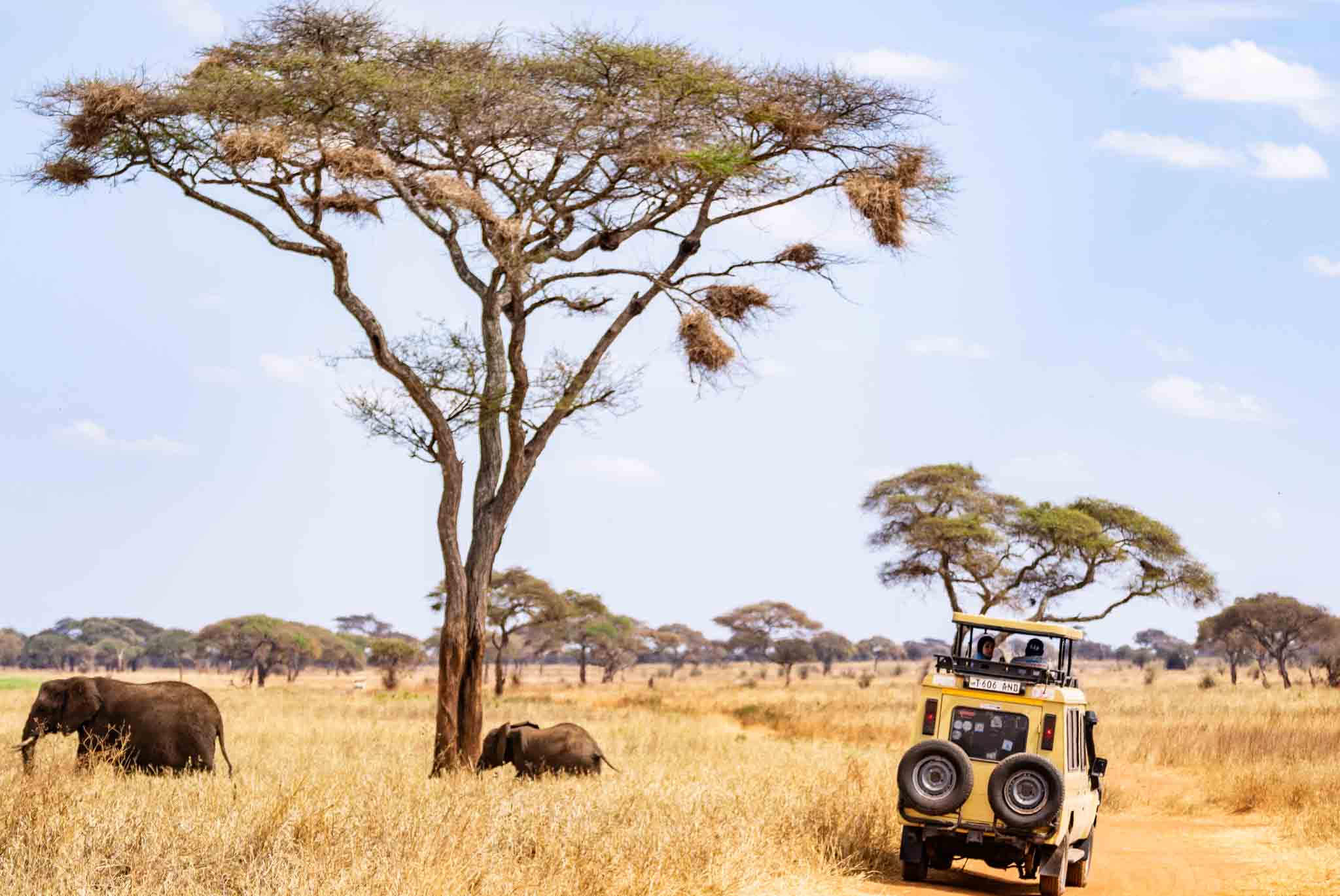
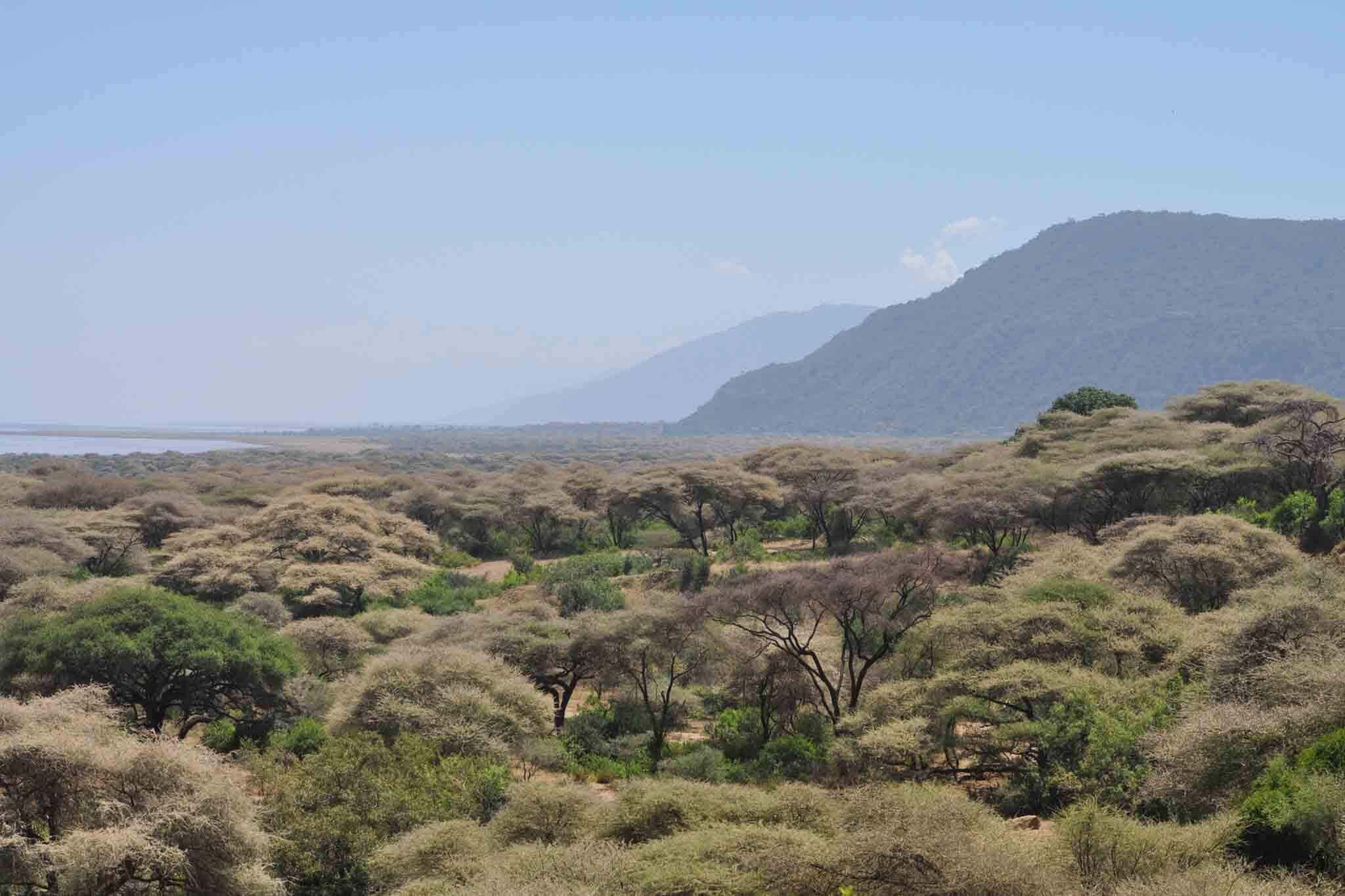
Ruaha National Park is one of Tanzania’s largest national parks and one of Africa’s last truly untouched wildernesses. The park lies in central-southern Tanzania, close to the town of Iringa and along the Great Ruaha River. Remote and wonderfully wild, Ruaha National Park covers an impressive 20,000 km² of rugged landscapes where nature still follows its own rhythms. The terrain shifts constantly from sweeping plains and rolling hills to dense miombo woodlands, acacia forests, and dramatic baobab-studded valleys. These ancient baobabs, some hundreds of years old, give the landscape a surreal atmosphere.
The Great Ruaha River is the beating heart of the park. During the dry season, this river becomes a lifeline for wildlife, drawing large herds of elephants, buffalo, and plains game. Predators follow in their wake, making the riverbanks one of the most exciting safari regions in Tanzania. Yet despite its remarkable wildlife concentrations, Ruaha remains one of the least visited parks in the country. The result is an unparalleled sense of exclusivity, long stretches of wilderness entirely to yourself, uninterrupted sightings, and the feeling that you are exploring Africa as it once was.
Ruaha National Park is a place for travelers who crave authenticity and depth: vast landscapes, powerful wildlife moments, and the silence of a true frontier. It is one of those rare destinations where the wild still feels infinite.


Ruaha is a place of scale, contrast, and raw wilderness. From life-giving rivers to ancient baobabs, the park’s landscapes shape both its wildlife and its unforgettable safari experiences. The following highlights capture the essence of the park and explain why it stands apart as one of Tanzania’s most compelling national parks.
The Great Ruaha River is the beating heart of the park. During the dry season it becomes a magnet for wildlife, drawing large concentrations of elephants, buffalo, antelope, and predators to its banks. You’ll often see dramatic scenes here: lions stalking along the riverbed, leopards resting in trees, and crocodiles basking in the shallows. The contrast between the dry savannah and the river’s green ribbon is one of Ruaha’s most iconic sights.
Ruaha National Park is one of the best places in East Africa to see predators, especially lions. It is famous for its large lion prides, often with males with impressive manes. It’s also one of the few parks where you can realistically see lions, leopards, cheetahs, hyenas, and African wild dogs within the same ecosystem. This diversity is a result of the park’s size and its mix of East and Southern African habitats.
Ruaha National Park is famous for its ancient baobab trees, some of which are believed to be hundreds, even thousands, of years old. Scattered across the park’s rocky hills and open plains, these massive, sculptural trees give Ruaha National Park its unmistakable character. Beyond their visual impact, baobabs are vital to the ecosystem, providing shelter, moisture, and food for birds, insects, and mammals.

Ruaha is a year-round destination, but the experience varies with the seasons. Your ideal time to visit depends on the type of safari you want.
If you want amazing weather and to spot animals gathered around the Great Ruaha River, the long dry season (June–October) is the best for you. Predators take advantage of predictable prey movements, making sightings more frequent. Clear skies and dramatic light also make this a photographer’s favorite time. The roads will also be in the best condition during these months.
November to February brings softer temperatures and an influx of migratory birds. This is ideal for travelers who enjoy lush landscapes, quieter wildlife encounters, and excellent birdwatching. There is also a short dry spell between January and February, which is ideal for those wanting to visit the park during this time but also wanting to escape the rains.
The long rains (March–April) create the greenest, most atmospheric environment. Heavy rain can make some roads muddy, but the park is striking with blooming vegetation, dramatic skies, and very few visitors. This season suits photographers, birders, and those seeking Ruaha National Park at its wildest.
No matter the season, Ruaha National Park offers a raw, authentic safari with far fewer visitors than other major Tanzanian parks.
A short list of the ‘most wanted’ animals in Ruaha National Park and the chances of spotting them. Some animals are (almost) unique to each park or only appear in certain areas. It’s important to let us know your wildlife preferences, so we can give you the best chance of spotting your favorite animal.
The numbers listed are an estimation of how often we’ve seen these animals ourselves based on our visits. Some animals we’ve seen 100%, everytime we’ve visited. However, it’s not a zoo, so there’s always a chance you miss an animal.
Feel like visiting yet?
This is the most visited and wildlife-rich part of the park. The Great Ruaha River and its seasonal tributaries (like the Mwagusi) act as permanent water sources, especially in the dry season. The riverbanks are lined with dense vegetation, which attracts elephants, buffalo, hippos, crocodiles, and large predators. This region of Ruaha National Park offers the most reliable game viewing and classic safari scenes.
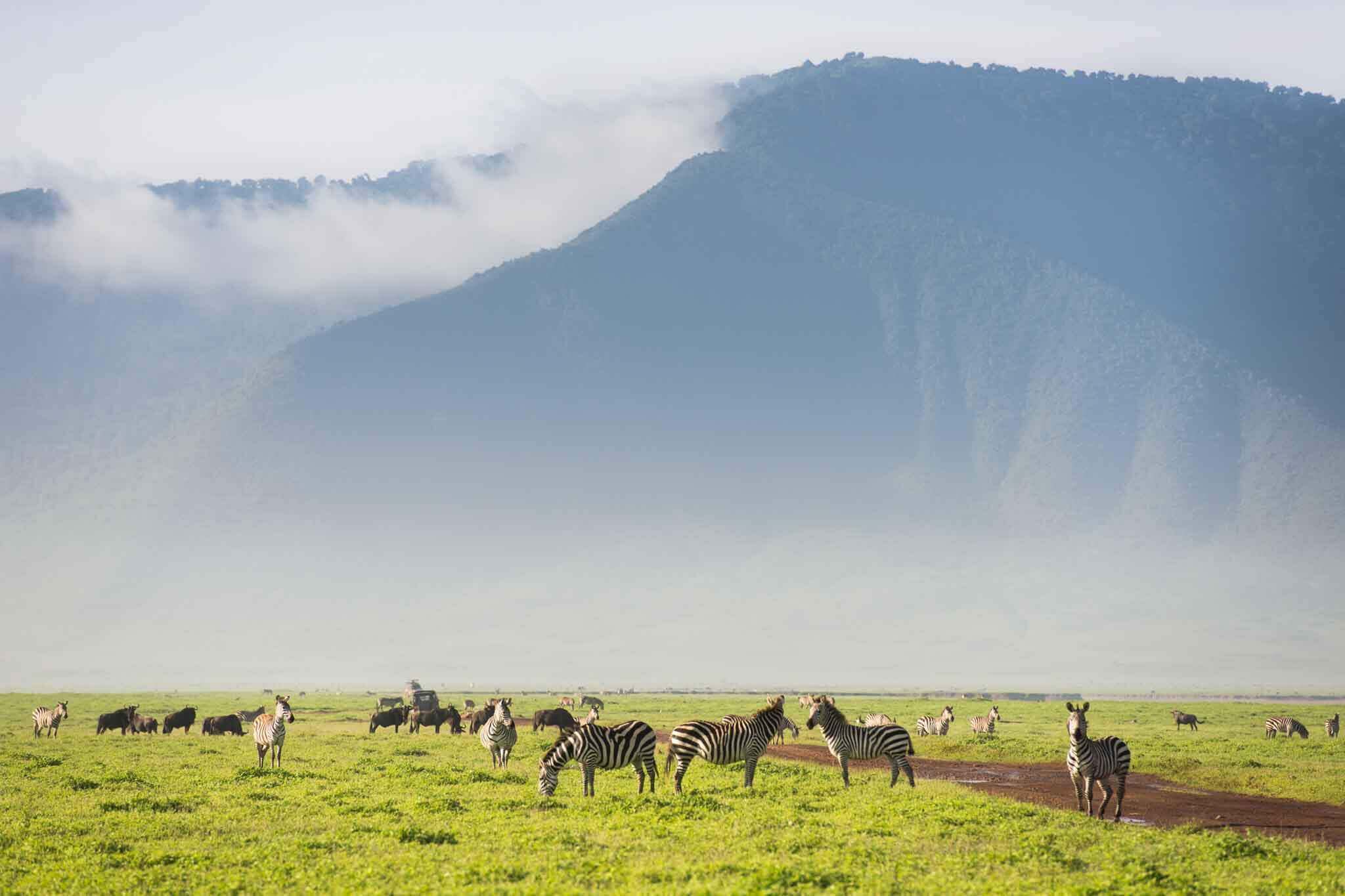
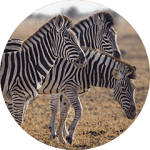
Moving away from the river, the landscape opens into rolling plains and open savannah, dotted with acacia trees and iconic baobabs. This region supports large herds of plains game such as impala, zebra, giraffe, and Grant’s gazelle, which in turn attract lions and cheetahs. The openness of the terrain makes wildlife easier to spot and gives Ruaha National Park its wide, dramatic sense of scale.
Large parts of Ruaha National Park, mostly the southern and western regions, are covered in miombo woodlands. These woodlands are quieter and more subtle but ecologically of great importance. They support species that are less common in northern parks, including the sable antelope. Birdlife is especially rich here, with many woodland species present.
The terrain in Ruaha becomes increasingly rugged in places, with granite kopjes, hills, and escarpments breaking up the plains. These rocky areas provide refuge for klipspringers, hyraxes, and leopards, and they offer spectacular viewpoints over the surrounding wilderness. The change in elevation also creates cooler microclimates and diverse plant life.
As one of Tanzania’s largest national parks, vast areas remain almost completely unexplored by visitors. These remote regions are roadless, wild, and accessible only by fly-camping or specialized safaris. Wildlife densities may be lower, but the sense of isolation and raw nature is unmatched. This is Ruaha at its most primal.
Ruaha National Park lies in a semi-arid region and has a warm, dry climate for most of the year. Temperatures vary by altitude, with the river areas being warmer and the highlands offering cooler evenings.
Ruaha knows various seasons. From June to October there are clear skies, little rainfall, warm days, and cool nights. This is the most comfortable time for game viewing, with temperatures around 18–30°C depending on the area.
From November till February afternoon showers refresh the landscape but rarely disrupt activities. It becomes greener, wildlife spreads out more, and birdlife peaks.
The wettest period is from March until April, with dramatic storms and lush vegetation. This is the greenest and most atmospheric time in Ruaha National Park, though some roads may be muddy or temporarily closed. Temperatures remain warm, and humidity rises.
Ruaha offers more than ‘just’ wildlife spotting. There’s quite a few amazing activities you can undertake if you’re on your way to Ruaha National Park.
For example:
For more info check out the activities on the right or contact us.

Tip: Most visitors prefer to fly into Ruaha National Park from Dar es Salaam to save time and maximize their safari experience.