ennl


Tanzania in July

Enjoy amazing weather, exciting wildlife, and endless beaches in July

Visit Tanzania in July

July is one of the best months to visit Tanzania. This is a time of clear skies, cool air, and extraordinary wildlife encounters. It’s the heart of the dry season, when animals gather around waterholes and rivers, making game viewing easier and spectacular. With pleasant temperatures and a wide range of activities, July offers the perfect conditions for safaris, mountain climbs, and relaxing days on the coast.

It’s high season, so the parks are lively with visitors drawn by the Great Migration, the Grumeti and Mara River crossings, and Tanzania’s beautiful, dry landscapes.
Hightlights of July

Short overview
  • Witness the Mara and Grumeti River crossings
  • Watch sea turtles hatching or spot dolphins and whales along the coast
  • Enjoy the start of the lesser flamingo breeding season in Lake Natron

What not to miss in July

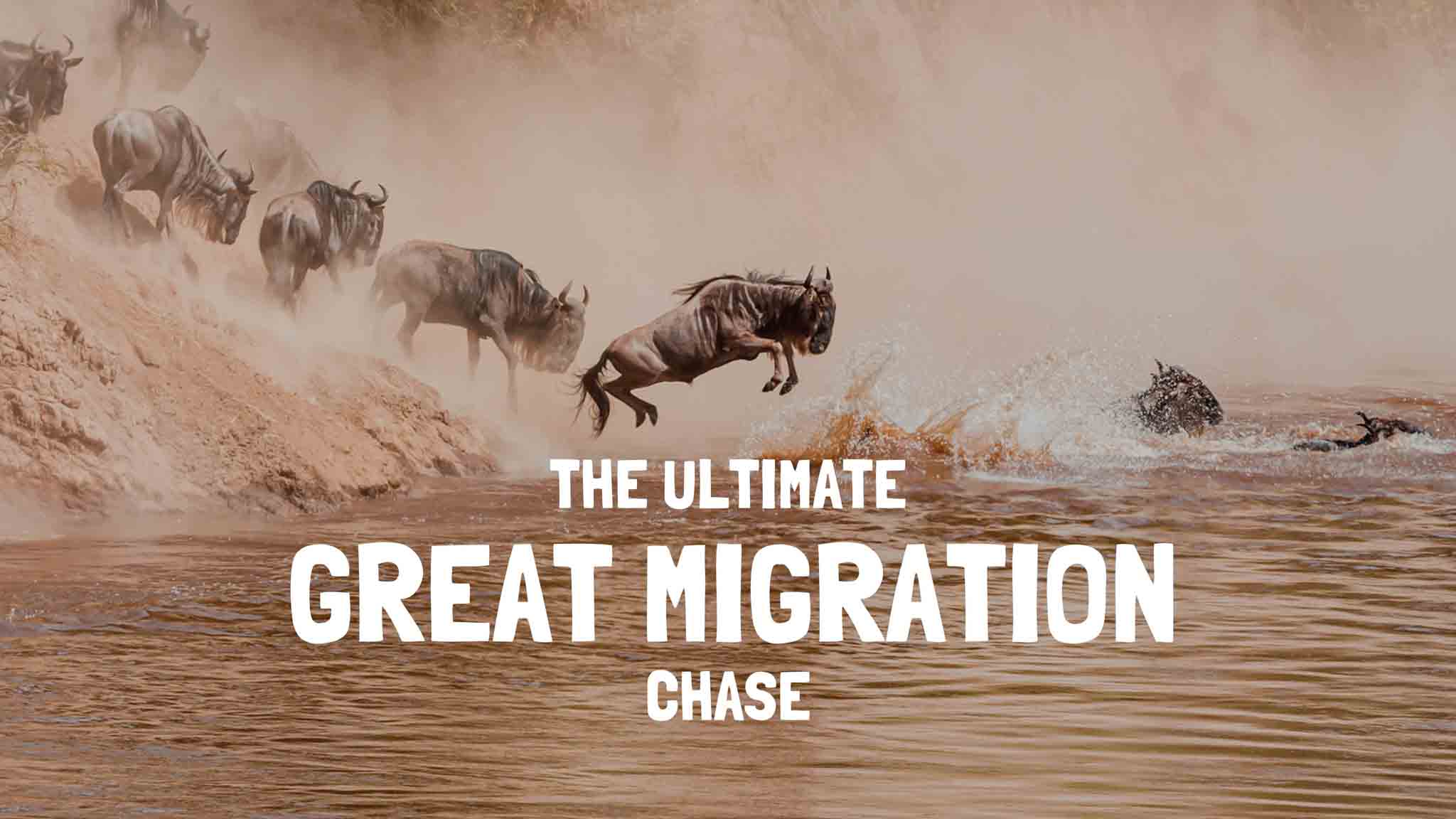
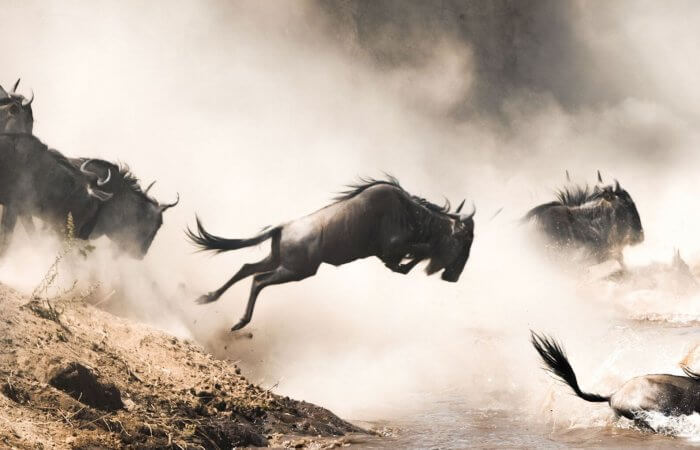
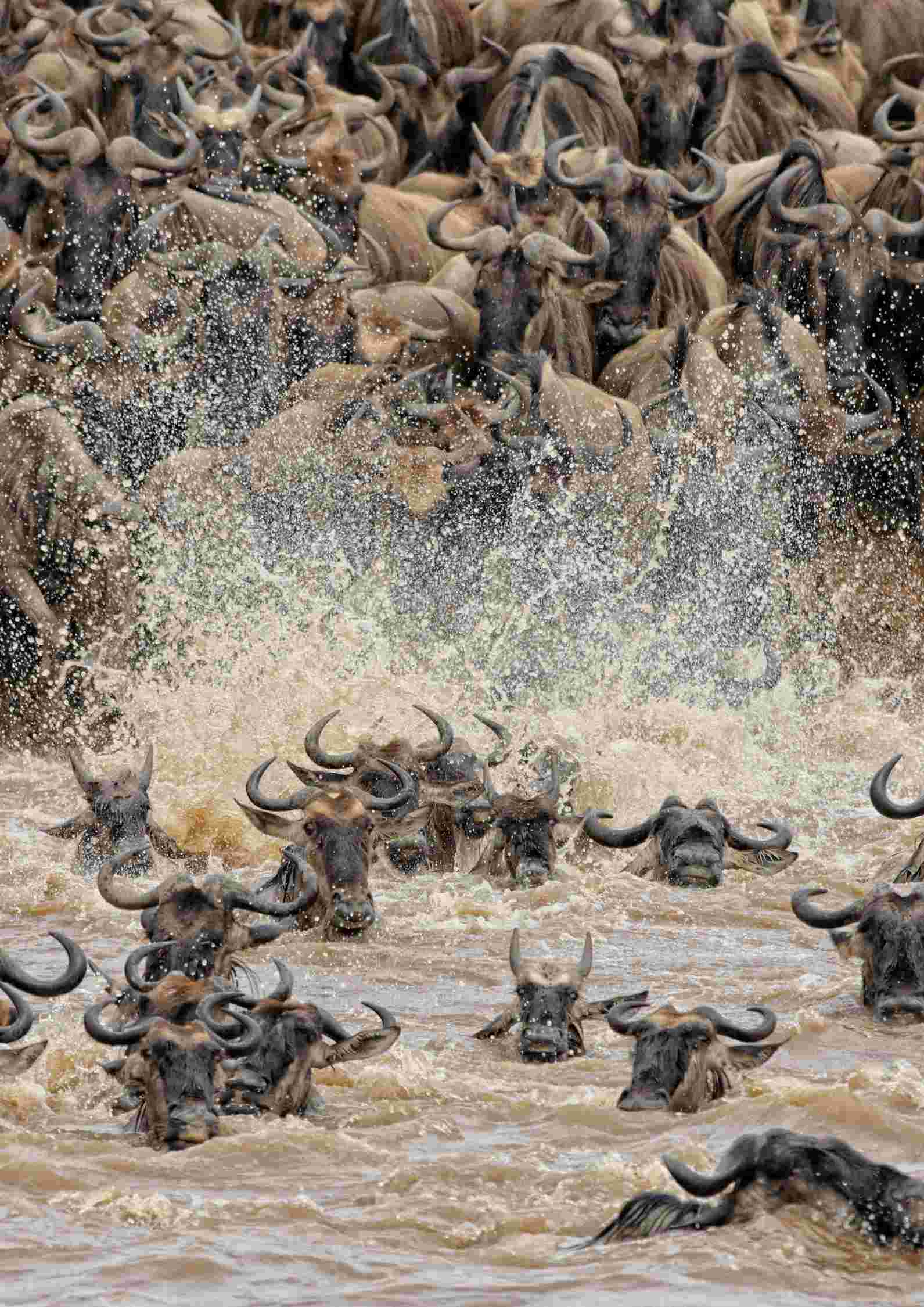
The great migration, a yearly trek of over 2 million wildebeest, is moving north through the Serengeti. Many of them have crossed the Grumeti River, but the tail end can still be seen. The famous Mara River crossings begin in late July and are one of nature’s most dramatic spectacles! As they follow the rains, they risk their lives in search of fresh grazing grounds. This makes your safari both dramatic and exciting!

Learn more about the great migration here.

In July, over 2.5 million lesser flamingos return to Lake Natron to breed. Lesser flamingos follow a circular migration pattern, instead of the classic north-to-south-and-back, across alkaline lakes in East Africa. Lake Natron is the single most important breeding site for lesser flamingos in the world, since up to 80 percent were born here. It is a wonderful thing to be able to witness!

July is one of the most popular months to climb Mount Kilimanjaro, and for good reason! Enjoy cool, dry weather ideal for climbing and witness clear skies with breathtaking views. However, July’s popularity can make your climb feel less personal. If you want a quieter, more off-the-beaten-path experience, try climbing Ol Doinyo Lengai, Mount Meru, or Mount Longido.

In Tarangire National Park offers amazing wildlife viewing as animals gather at the Tarangire River in search of water. Spot its famous massive elephants using their trunks to take a sip, or enjoy a night game drive to spot nocturnal animals like leopards and galagos!

Along the coast, the dry weather and clear skies make spotting dolphins easier than in the rainy seasons. In July, you can also go humpback whale watching as they enter the channel between the mainland and the islands on their way to Antarctica. From June to August you will also be able to see baby green sea turtles hatching on the beaches of Mafia Island, which means July is perfect!

The islands offer warm and breezy weather, with great underwater visibility for diving and snorkeling. During this month, you will also be able to go wind- and kitesurfing and deep-sea fishing.
Tanzania in August

Weather Tanzania in July

In July, Tanzania enjoys cool, dry weather with occasional strong winds, since it is part of the long dry season (June-October). It falls between the long rainy season (March-May) and the short rainy season (November-December). There is also a short dry season (January-February).

Days are sunny and mild, while mornings and evenings can be chilly. Tanzania lies in the Southern Hemisphere, which means the seasons are reversed. That means July is cooler than months like January and February.


What does that mean for your safari?

The sky is clear, making this one of the best months for photography, mountain climbing, and stargazing.

The dry weather is perfect for safaris and outdoor activities since this means dry and fully accessible roads. The only downside to the dry landscape is that it can cause dust storms on the mainland, especially with the strong winds. However, along the coast, that means the weather is perfect for kite- and windsurfing.

The cooler temperatures also make safaris more comfortable.
Tanzania in October

The Big 5 in July!

The Big Five can be seen year-round in Tanzania, but sightings vary by season. Here’s what you can expect this month and where your chances of spotting each species are highest.

Lions

July is an excellent month for spotting lions as the long dry season settles in. With vegetation thinning across Tanzania, lions become easier to see as they rest in the open plains or follow prey to shrinking water sources. Watch as the lionesses work together to single out and attack their prey. It’s a fantastic time to spot these interesting creatures.

Leopards

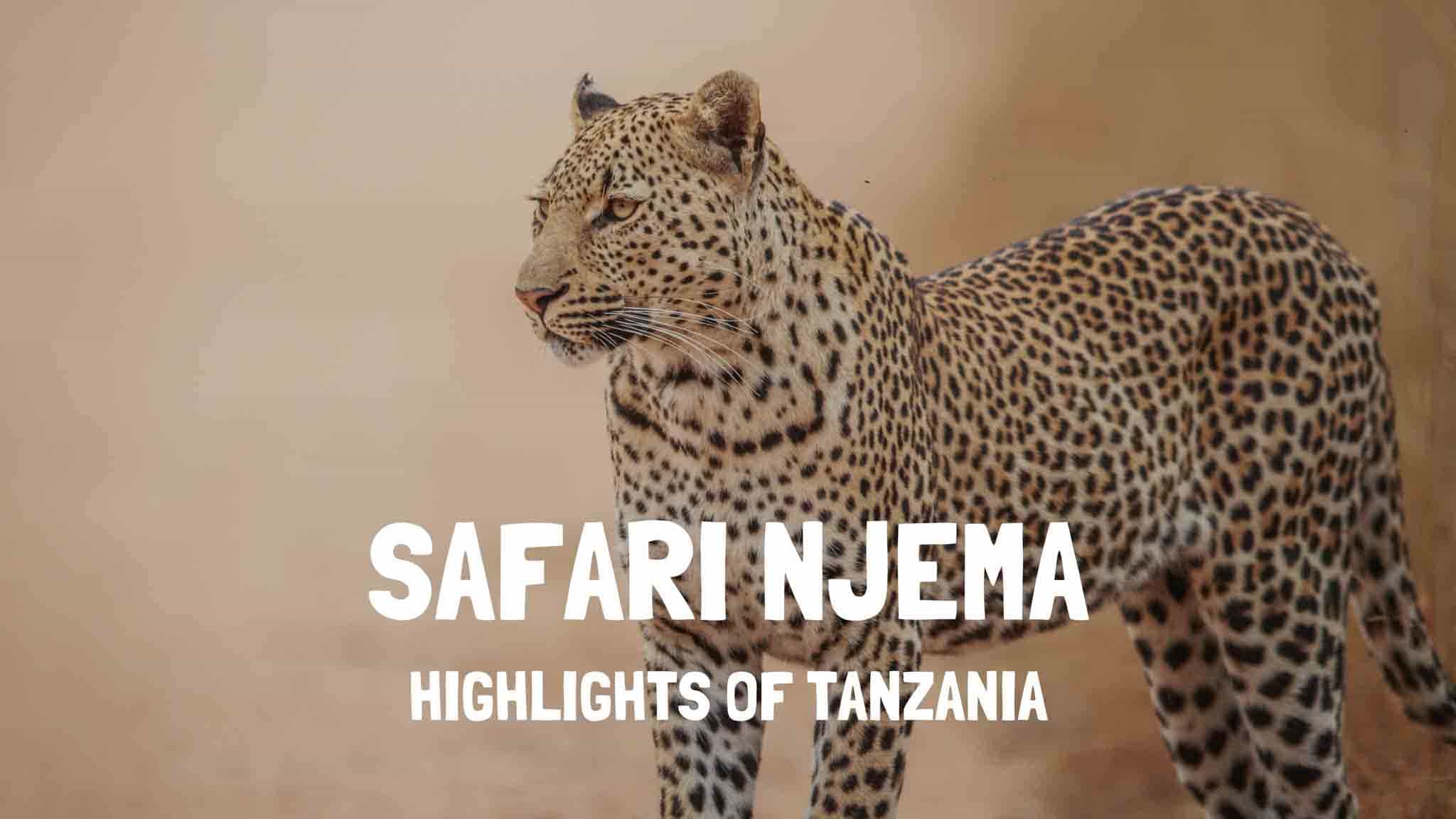
Leopards are present year-round, since they continue to guard their territories. As grasses dry out and prey animals concentrate near permanent water sources, leopards take advantage of easier hunting opportunities. They are often spotted draped across tree branches or slipping through the vegetation with effortless stealth. They are most commonly spotted in the Serengeti but are also present in other areas like Tarangire and Ngorongoro.

Elephants

In July large herds begin gathering around Tarangire’s permanent river. Dry-season conditions draw elephants from across the wider ecosystem, making encounters frequent and dramatic as they gather in huge herds. Watching them migrate in long, dusty lines or crowd around water sources is one of the month’s most impressive wildlife highlights.

Buffaloes

Buffaloes thrive in July’s dry-season conditions and are seen throughout northern parks in large, tightly grouped herds. With grasses drying out, they move steadily between open plains and dependable water sources. Their powerful silhouettes make them one of the most striking sightings of the month.

Fun fact: A buffalo’s horns meet in the center, where it hardens as the bull matures. This is called the boss, and it acts as a natural helmet during fights.

Rhinos

Rhino sightings in July are most reliable in the Ngorongoro Crater, where the open landscape and reduced vegetation make spotting them a bit easier than in greener months. These solitary giants continue grazing across the crater floor, and the clear, dry-season air often offers excellent visibility. Sightings remain rare but incredibly rewarding.

Fun fact: Due to intense conservation efforts, the rhino population in Ngorongoro is currently stable.

Crowds & Costs in July

July is high season in Tanzania. The excellent weather and famous Mara River crossings attract visitors from all over the world. That means that lodges and camps fill up quickly and sites are busy. Early booking, at least six months to a year in advance, is highly recommended.

Prices are also at their highest this month, from accommodations to airplane tickets. Park fees remain the same year-round.

If you prefer a quieter experience, consider visiting more off-the-beaten-path parks like Enduimet WMA for a more personal safari.

How to plan my Tanzania safari?

Tailor made safari 1

1. REQUEST A TAILOR-MADE SAFARI

Tailor made safari 2

 2. CALL WITH US ABOUT YOUR TRAVEL PLANS

3. CO-CREATE YOUR DREAMSAFARI

Tailor made safari 4

4. PACK-UP , SAFARI NJEMA!

Tanzania in July: Packing Tips

Due to the drier weather and winds, there is an increase in dust clouds. To keep the dust out of your face during game drives, we recommend bringing a scarf or buff.

July also offers cool and sunny weather, with higher temperatures along the coast. Bring plenty of sun protection and thin, breathable clothing. We also recommend bringing a thin jacket or sweater for cold mornings, evenings, and winds.

Tanzania in July: Conclusion

July in Tanzania offers everything at its best with its clear skies, crisp air, and unforgettable wildlife moments. It’s the perfect month for safaris and mountain adventures, followed by relaxing days on white beaches.

Whether you’re watching the Mara River crossings with dramatic predator action or sailing into the sunset on a traditional dhow, July is when Tanzania truly shines.

Let's plan your Tanzania adventure!

Ask us for a quote or enquire about your tailor-made travel proposal. We'll be in touch within 24 hours.

FAQ on Safaris in Tanzania in July

Do you have questions about a safari to Tanzania? We’re happy to help! From practical tips to activity recommendations. Below, you’ll find answers to frequently asked questions to ensure a smooth and unforgettable journey.

If you can’t find your answer here, don’t hesitate to contact us directly. We’re here to assist you!

Is it possible to do a balloon safari in July?

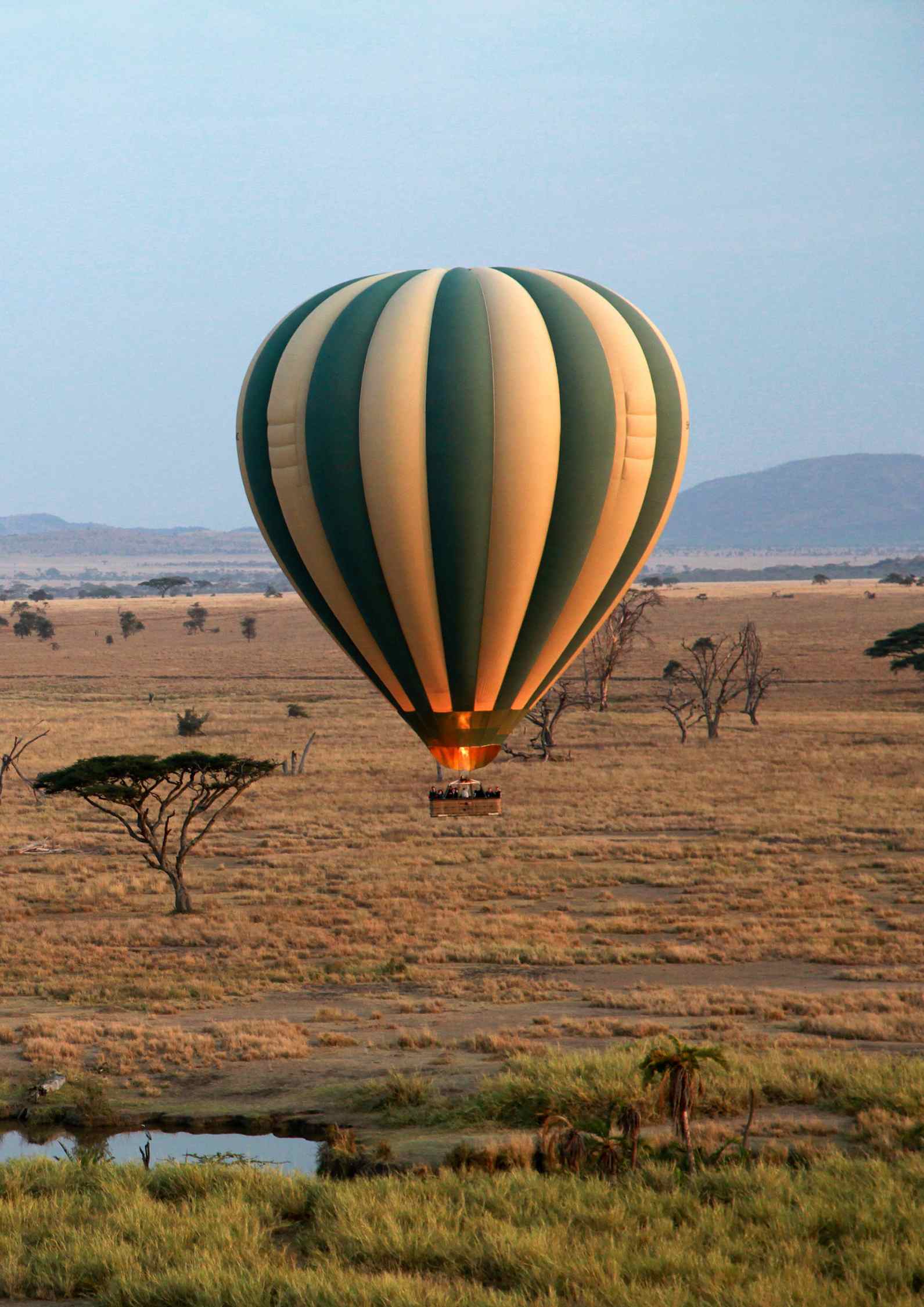
July is an amazing month for a hot air balloon safari. The skies are clear, and the landscapes are beautifully golden. You can watch the river crossings and predator action from a unique perspective.

Do keep in mind that due to hard winds, your balloon might not be allowed to take off. This is for your safety.

Is July a good month for photography?

July is one of the best months of the year for wildlife photography.From breeding flamingoes and the Grumeti and Mara River crossings to migrating humpback whales and hatching turtles, July offers more than enough to capture.

Which activities are recommended in July?

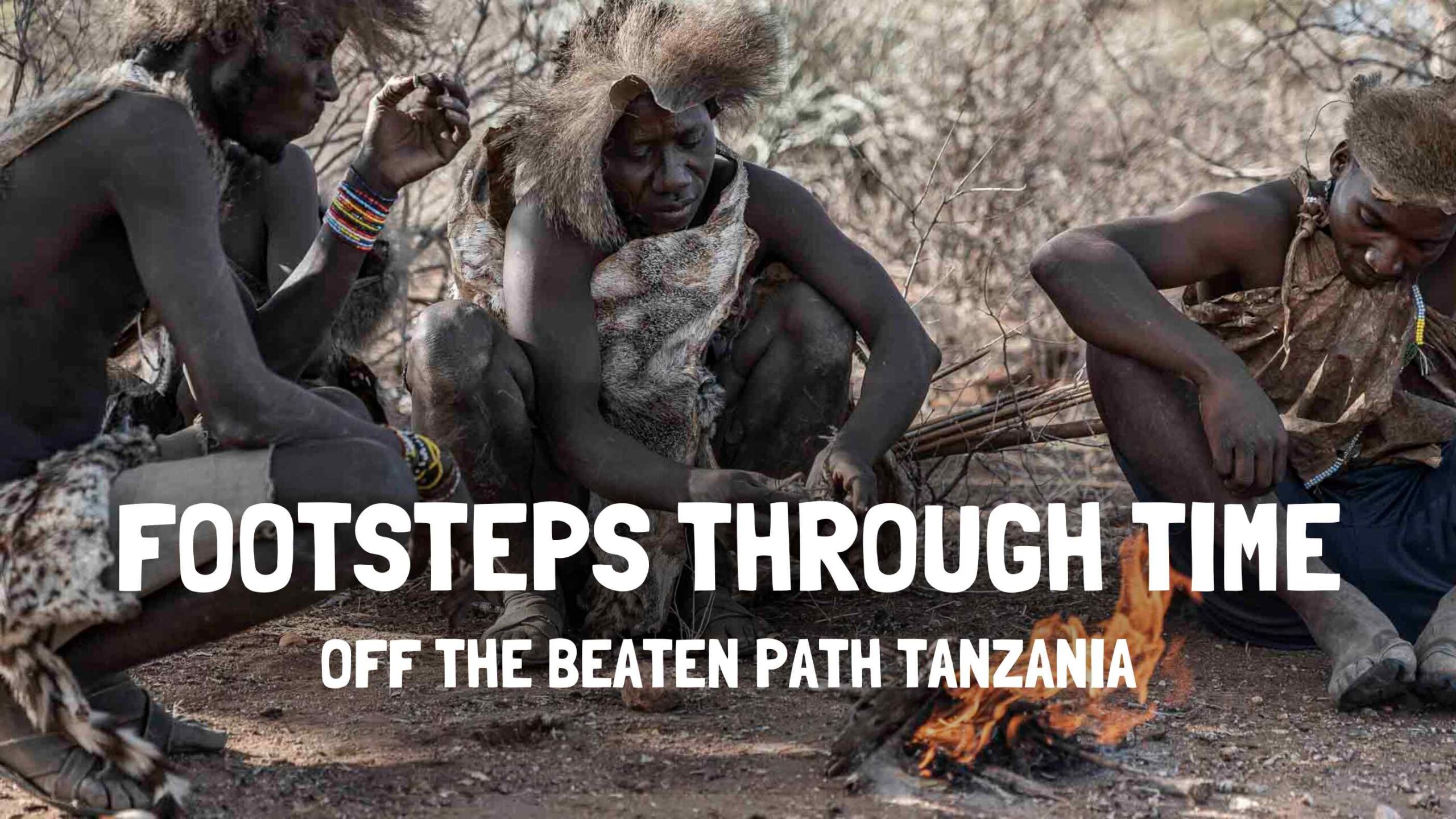
July’s weather is amazing for all kinds of activities! We recommend a canoe safari on Lake Manyara to spot birds and hippos up close. Or enjoy cultural tours. You can spend a day with the Maasai or learn how to hunt with the Hadzabe.

July is also perfect for walking safaris. So, enjoy one in Arusha National Park or explore Ngorongoro with a crater rim walk!

Are there mosquitoes in Tanzania in July?

Yes, mosquitoes are present year-round, and it is always recommended to bring insect repellent. Most safari lodges also provide mosquito nets.

What am I not able to see in July?

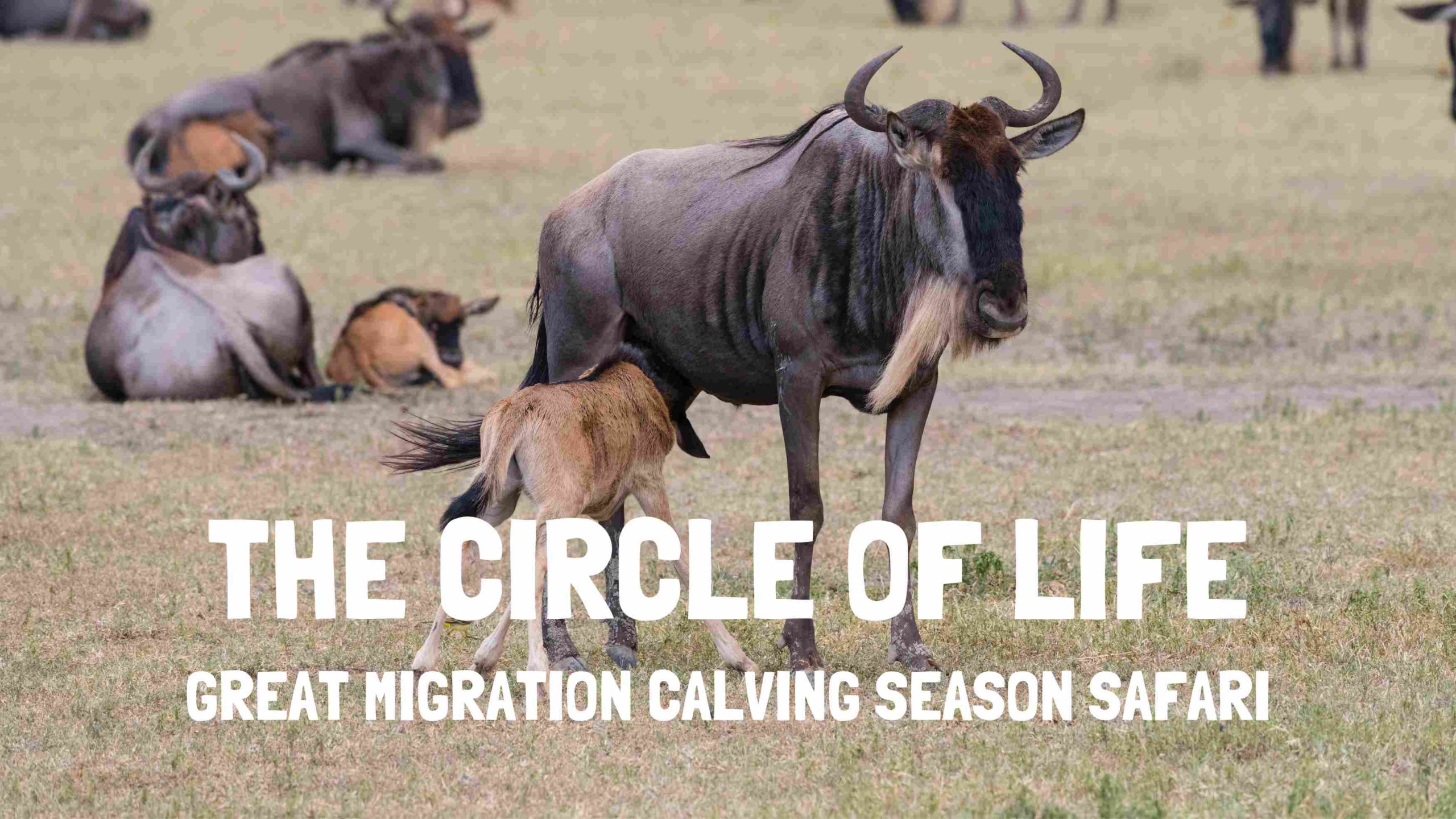
The two biggest events are the calving season (December-March) in Ndutu, the southern Serengeti, and whale shark season (September-March).

What other travelers say

 
Tilly Muntslag - Pavert profile picture
Tilly Muntslag - Pavert
September 20, 2026
positiverecommends
Arusha Trips organized a wonderful safari for us with a super friendly guide who took us to the best spots. The accommodations were top-notch. What an amazing experience. Communication during the organization is handled smoothly in Dutch, and the locals know how to guide you like no other.

(Translated by Google, see original)
Posted on Facebook Facebook
elzeline scheele profile picture
elzeline scheele
September 18, 2026
Google star 1Google star 2Google star 3Google star 4Google star 5
+8
Great travel agency! We had a tailor-made honeymoon. With everything included. Clear information beforehand. And good guidance from the guide! We would definitely choose Arusha Trips again for our next trip.

(Translated by Google, see original)
Posted on Google Google
elzeline s profile picture
elzeline s
September 18, 2026
Tripadvisor star 1Tripadvisor star 2Tripadvisor star 3Tripadvisor star 4Tripadvisor star 5Verified
Successful honeymoon! We had a wonderful tailor-made honeymoon thanks to Arusha Trips! Everything was discussed in advance via email, and we received clear information. At the location itself, there were great guides and accommodations. Everything was perfectly arranged! With a special thank you to Hector, our guide for the 9-day safari. With so much experience and knowledge, he showed us the most beautiful sights in the national parks. A fantastic trip. I would definitely book with Arusha Trips again and recommend it to others!

(Translated by Google, see original)
Posted on Tripadvisor Tripadvisor
michael hawkins profile picture
michael hawkins
September 16, 2026
Google star 1Google star 2Google star 3Google star 4Google star 5
+4
In August 2026, we booked a private family trip through Arusha Trips for our family (2 adults and 2 children aged 12 and 15), consisting of 8 days of safari and 6 days in Zanzibar. Even before the trip, contact with Arusha Trips went wonderfully, allowing us to create the perfect itinerary together. All the parks we wanted to see were included, and regarding the accommodations, we received many options and suggestions, allowing us to choose the ones we wanted to take. All the accommodations were truly top-notch, especially Tukaone Tented Camp and Tarangire Simba Lodge. Here, you really got the feeling of the movie Out of Africa. Close to and among the wild animals! The first day was a nice relaxing day in Forrest Hill, enjoying the pool, a beautiful view of Mount Meru, and also many beautiful birds in the garden. The second day was in Arusha NP, including a walking safari, which was absolutely amazing and brought us very close to many animals. The third day was at Lake Manyara, our first time face-to-face with elephants. We took a 2-hour canoe trip here, which was a wonderful experience with beautiful views of the park, where global warming is also very clearly visible. After that, three days in Serengeti National Park, which really is the most beautiful thing you can see; so much stunning nature, those kopjes, those vast plains, and of course, all the animals. Lions, leopards, giraffes, hyenas, cheetahs, wildebeest, hippos, elephants, vultures, zebras, just to name a few. And then, of course, the overnight stays in the tented camps—such a fun experience and yet so comfortable. Listening to all the sounds of nature. The icing on the cake was, of course, the fact that we got to witness the wildebeest migration not once, but twice in one day. Then, after a nice descent, arriving at Ngorongoro Crater—super idyllic—and so much wildlife. Once again, we were incredibly spoiled by the animals. We saw rhinos up close, had lunch at a hippo pool, and so much more. Then a day at Tarangire NP, again so much more than expected: swimming zebras and wildebeest, elephants that are quite a bit bigger than elsewhere, and then those baobab trees. Then we enjoyed the pool at Tarangire Simba Lodge for a while before going on a night game drive, where we saw many different animals than you can see during the day: bushbabies, serval cats, and chameleons… The next day was saying goodbye to Tanzania Mainland to head to Zanzibar. Here, we had quite a few excursions planned again: Cheetah Rock, swimming with horses in Jambiani, swimming with dolphins in Kizimkazi, a snorkeling trip to Mnemba Island—all arranged perfectly. Throughout the entire trip, Arusha Trips was also always available to answer all our practical questions via WhatsApp, but everything was also arranged so smoothly. Of course, we also definitely want to thank our guide/driver whom Arusha Trips arranged for us: Joseph Chipeta. Not only did he ensure that everything went smoothly and safely, but thanks to him we also saw the Big Five, witnessed the wildebeest migration crossing the Mara River twice, saw lions eating, and so much more. His knowledge of the country, the parks, and the animals was truly top-notch. It was also evident that, thanks to his years of experience, he was very well-liked and respected by other guides, and that he was happy to show us everything. We would therefore like to thank Arusha Trips and Joseph Chipeta for giving us the trip of a lifetime, and if it had been possible, we would have gone on safari again immediately.

(Translated by Google, see original)
Posted on Google Google
michael h profile picture
michael h
September 16, 2026
Tripadvisor star 1Tripadvisor star 2Tripadvisor star 3Tripadvisor star 4Tripadvisor star 5Verified
The trip of a lifetime In August 2026, we booked a private family trip through Arusha Trips for our family (2 adults and 2 children aged 12 and 15), consisting of 8 days of safari and 6 days in Zanzibar. Even before the trip, contact with Arusha Trips went wonderfully, allowing us to create the perfect itinerary together. All the parks we wanted to see were included, and regarding the accommodations, we received many options and suggestions, allowing us to choose the ones we wanted to take. All the accommodations were truly top-notch, especially Tukaone Tented Camp and Tarangire Simba Lodge. Here, you really got the feeling of the movie Out of Africa. Close to and among the wild animals! The first day was a nice relaxing day in Forrest Hill, enjoying the pool, a beautiful view of Mount Meru, and also many beautiful birds in the garden. The second day was in Arusha NP, including a walking safari, which was absolutely amazing and brought you very close to many animals. The third day was at Lake Manyara, our first time face-to-face with elephants. We took a 2-hour canoe trip here, which was a wonderful experience with beautiful views of the park, where global warming is also very clearly visible. After that, three days in Serengeti National Park, which really is the most beautiful thing you can see; so much stunning nature, those kopjes, those vast plains, and of course, all the animals. Lions, leopards, giraffes, hyenas, cheetahs, wildebeest, hippos, elephants, vultures, zebras, just to name a few. And then, of course, the overnight stays in the tented camps—such a fun experience and yet so comfortable. Listening to all the sounds of nature. The icing on the cake was, of course, the fact that we got to witness the wildebeest migration not once, but twice in one day. Then, after a nice descent, arriving at Ngorongoro Crater—super idyllic—and so much wildlife. Once again, we were incredibly spoiled by the animals. We saw rhinos up close, had lunch at a hippo pool, and so much more. Then a day at Tarangire NP, again so much more than expected: swimming zebras and wildebeest, elephants that are quite a bit bigger than elsewhere, and then those baobab trees. Then we enjoyed the pool at Tarangire Simba Lodge for a while before going on a night game drive, where we saw many different animals than you can see during the day: bushbabies, serval cats, and chameleons… The next day was saying goodbye to Tanzania Mainland to head to Zanzibar. Here, we had quite a few excursions planned again: Cheetah Rock, swimming with horses in Jambiani, swimming with dolphins in Kizimkazi, a snorkeling trip to Mnemba Island—all arranged perfectly. Throughout the entire trip, Arusha Trips was also always available to answer all our practical questions via WhatsApp, but everything was also arranged so smoothly. Of course, we also definitely want to thank our guide/driver whom Arusha Trips arranged for us: Joseph Chipeta. Not only did he ensure that everything went smoothly and safely, but thanks to him we also saw the Big Five, witnessed the wildebeest migration crossing the Mara River twice, saw lions eating, and so much more. His knowledge of the country, the parks, and the animals was truly top-notch. It was also evident that, thanks to his years of experience, he was very well-liked and respected by other guides, and that he was happy to show us everything. We would therefore like to thank Arusha Trips and Joseph Chipeta for giving us the trip of a lifetime, and if it had been possible, we would have gone on safari again immediately.

(Translated by Google, see original)
Posted on Tripadvisor Tripadvisor
Verified by Trustindex
Trustindex verified badge is the Universal Symbol of Trust. Only the greatest companies can get the verified badge who has a review score above 4.5, based on customer reviews over the past 12 months. Read more

Discover some of our sample itineraries

Get inspired by some of our most popular safaris, or create your own tailor-made journey.

Why travel to Tanzania with Arusha Trips

Safe & secure in Africa