ennl


Tanzania in March

Lose yourself in lush Tanzania this March

Visit Tanzania in March

March is a dynamic month full of action and change as the rains transform the landscape into a green paradise. Both the calving and whale shark seasons draw to a close as the rainfall increases. In early March you can run the Kilimanjaro Marathon or climb the mountain itself. There is also an abundance of birds. Many can be seen in their vibrant breeding plumage, and their mating calls can be heard.

For travelers who don’t mind the rain, March offers incredible photography and birding opportunities and fewer crowds with a more personal safari experience.
Hightlights of March

Short overview
  • Witness the end of the calving season in the southern Serengeti
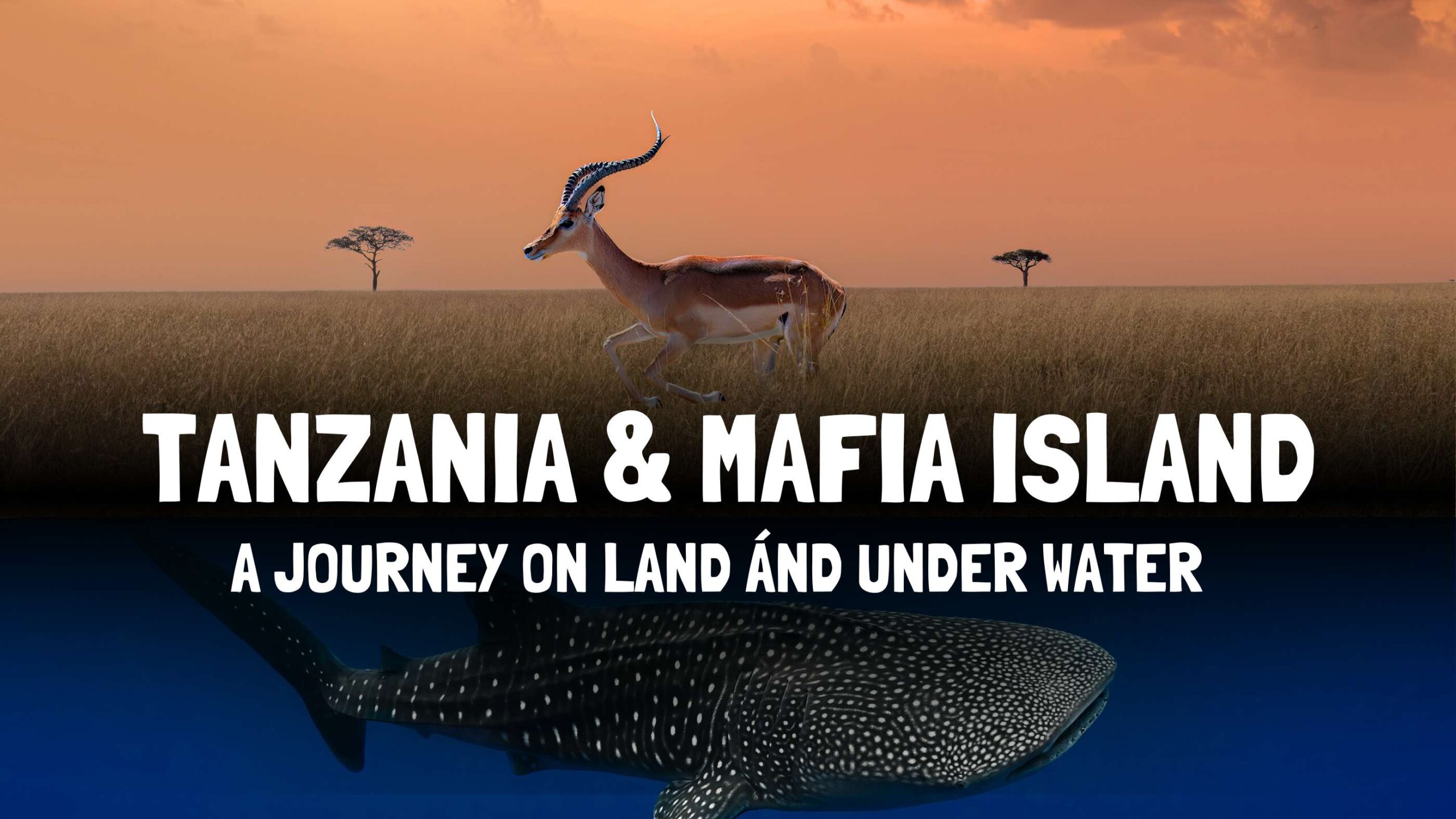
  • Grab this last chance to go snorkeling with whale sharks
  • Enjoy amazing birding with migrants and breeding species

What not to miss in March

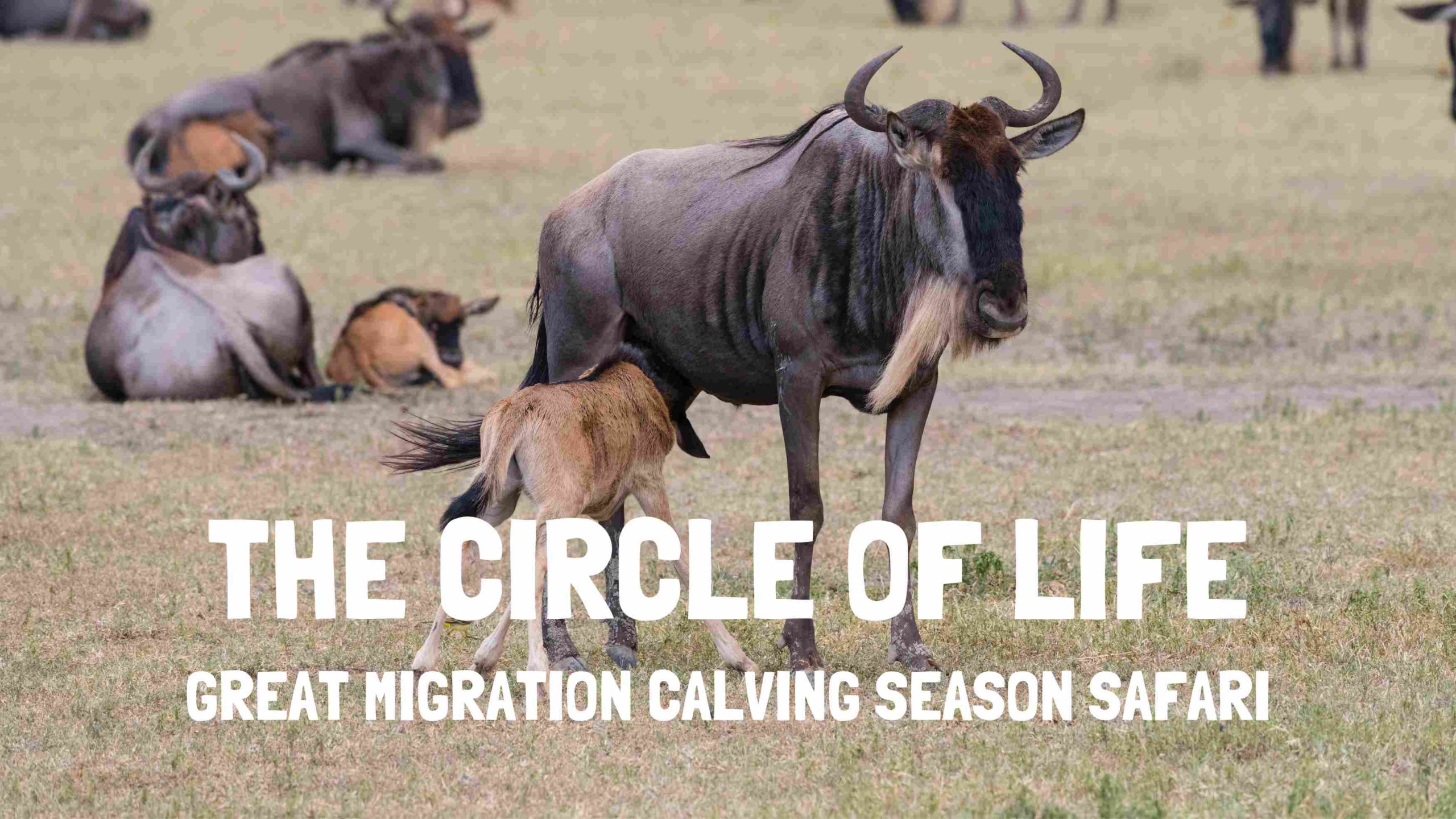
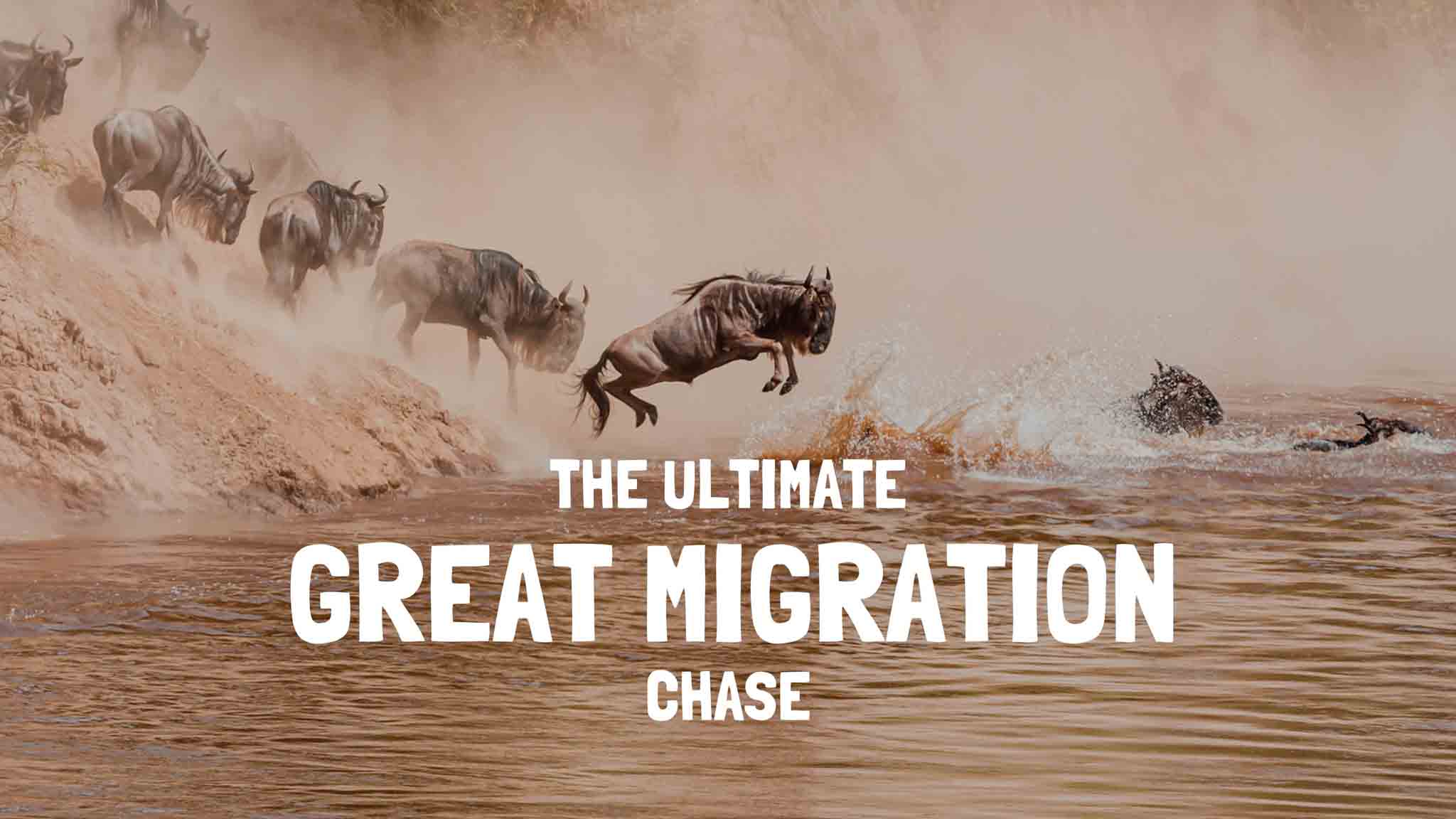
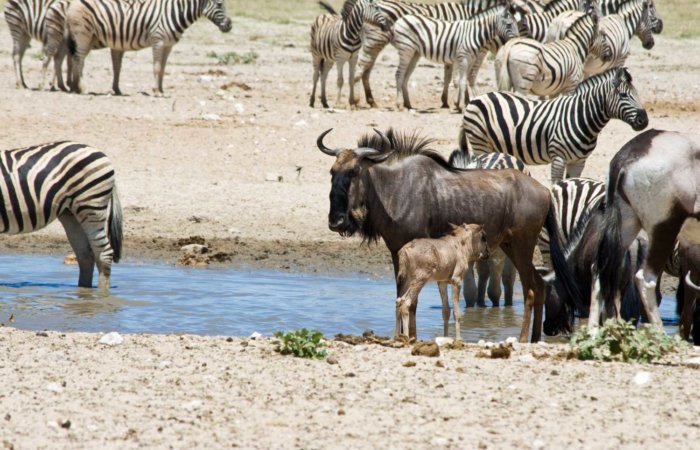
Every year, over 2 million wildebeests walk from the southern Serengeti to the Maasai Mara in Kenya and back down again, following the rains in search of food. The main events during this trek, the great migration, are the Mara River crossings in July and October and the calving season from December until mid-March. Hundreds of thousands of wildebeests, along with zebras and gazelles, are born during this period.

In March, the great migration moves from the Ndutu area in the south to the central Serengeti as the calving season draws to a close. If you want to see the peak, it is best to visit at the end of January or in February. However, you will still be able to see exciting predator action as they try to catch the newborns.

You can learn more about the migration here.

Along the coast it is humid, and temperatures are warm. Since diving visibility begins to drop, we recommend adding an island tour or spice tour to your trip, especially since cardamom harvesting can be seen in March. You can also catch the tail end of the whale shark season to snorkel with these gentle giants before they depart from Mafia Island. They visit these waters on their yearly migration in search of food, particularly plankton.

Join the Kilimanjaro Marathon, one of Tanzania’s most exciting annual events! It is named after the famous mountain because it takes place at its base. It is possible to run a full or half marathon or partake in a 5-kilometer fun run. Charities, mainly regarding cancer treatments and nature preservation, are supported with the proceeds of this event.

The marathon takes place in February or early March.

March is an amazing month to go birdwatching. Experience peak bird activity with migrants present, particularly from Europe, Asia, and North Africa. A lot of bird species are in full breeding plumage, and their calls will become more frequent as the month progresses. March is an amazing month to see raptors, songbirds, and waterbirds in parks like Lake Manyara and Tarangire.

Tanzania in March

Weather Tanzania in March

March marks the transition from the short dry season (January-February) to the long rainy season (March-May). Tanzania also knows a long dry season (June-October) and a short rainy season (November-December). The rainfall increases throughout the month and transforms the plains from orange and dry to green and lush. It’s a wonderful experience to be able to witness this transition.

There are showers all over the country, with most of the rain falling in the afternoon or at night. However, it is possible for it to rain all day. Along the coast and on the islands there is also increased rainfall and humidity.

Temperatures range from 25°C to 30°C, making it warm and tropical. This is because Tanzania lies in the southern hemisphere, which means the seasons are reversed. The summer months are cooler, whereas the winter months are hot.


What does that mean for your safari?

The rainfall causes muddier roads all over Tanzania. However, the main roads remain accessible.

The green landscape does make wildlife spotting a bit more challenging compared to drier months like June and August. This is because the grasses are tall, and you will most likely be restricted to the main paths. However, the greenery does add color and contrast for photographers, making your safari photos stand out.

In coastal areas, the increased rainfall means that the underwater visibility will start to diminish for diving and snorkeling. On the other hand, the ocean waters are still warm and pleasant for swimming.

Tanzania in April

The Big 5 in March!

The Big Five can be seen year-round in Tanzania, but sightings vary by season. Here’s what you can expect this month and where your chances of spotting each species are highest.

Lions

March continues to offer excellent lion sightings as calving season is still underway. With young wildebeest, zebra, and gazelle scattered across the plains, lions remain highly active, often hunting in the early mornings, late afternoons, and at night. The lush, green landscape provides some cover, but the abundance of prey keeps lions out in the open, making encounters frequent and dramatic.

Leopards

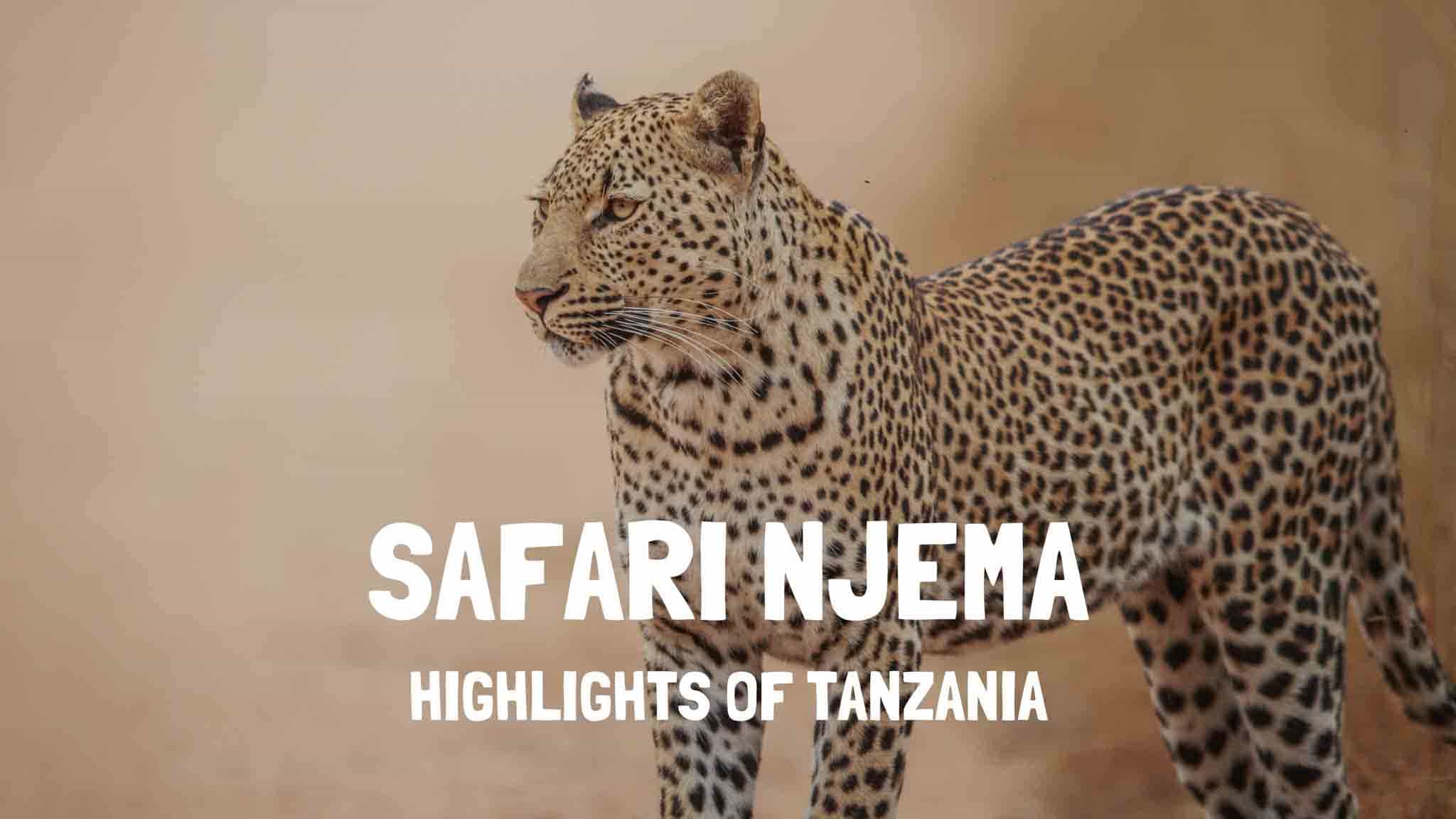
Leopards stay within their territories year-round, and March’s greener surroundings often encourage them to rest in trees or rocky outcrops with good vantage points. They are more difficult to spot due to thicker vegetation, and their solitary lifestyle makes every sighting feel intimate and special.

Fun fact: Both males and females have their territories and only meet to mate. They also do not have a defined breeding season since the females are in heat every 2 to 3 months.

Elephants

Elephants thrive in March’s lush conditions, with fresh vegetation and full water sources keeping herds active and well fed. In parks like Tarangire, family groups of their famously large elephants can be seen roaming widely, often stopping to feed on the abundance of greenery. Their presence is striking against the vibrant landscape. This also creates beautiful photography opportunities.

Buffaloes

Buffaloes are widespread throughout northern parks in March, enjoying the plentiful grasses brought on by the rains. Buffaloes live in herds from hundreds to thousands of individuals. Large herds often gather near water or graze in open plains, and their sheer numbers make them easy to spot. The green landscape creates a beautiful backdrop for watching their social dynamics and impressive cohesion.

Rhinos

The grass may grow taller at this time of year, but rhinos still frequently emerge into open areas to graze, especially in the mornings. We recommend Ngorongoro Crater since that is where rhinos are the most reliably seen. Spotting these powerful animals against the crater’s emerald-green slopes is one of March’s most breathtaking wildlife moments. Perhaps you will even spot them taking one of their twice-daily mud baths (which usually last up to 3 hours at a time!).

Crowds & Costs in March

March is the start of the green season, which means fewer visitors and better deals, especially after mid-month. These discounts do depend on your accommodation preferences, as mid-range lodges have relatively stable prices year-round, whereas luxury lodges often offer promotional rates during the low seasons.

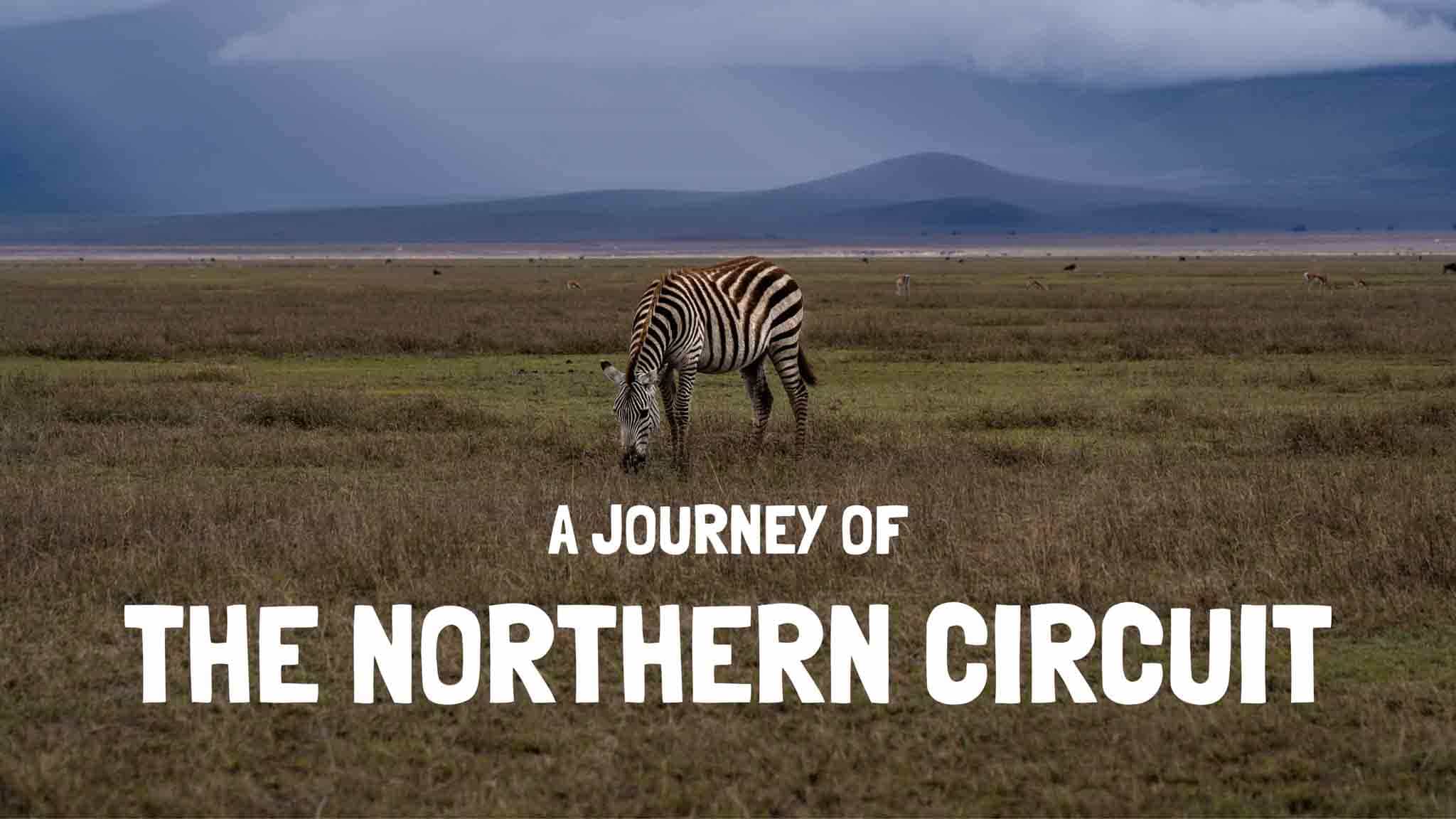
In northern Tanzania, high-season prices usually continue until the second week of March due to the better weather, so early-month safaris have higher pricing. Many camps in southern Tanzania will even close mid-March, but in the north most will stay open. We therefore recommend a safari in the northern circuit to secure the best accommodations. However, we do still suggest booking 6 months in advance to get the best deals.

March also has fewer visitors than during the high seasons. This means that March offers a quieter, more personal experience, which is perfect for travelers who value space and calm.

How to plan my Tanzania safari?

Tailor made safari 1

1. REQUEST A TAILOR-MADE SAFARI

Tailor made safari 2

 2. CALL WITH US ABOUT YOUR TRAVEL PLANS

3. CO-CREATE YOUR DREAMSAFARI

Tailor made safari 4

4. PACK-UP , SAFARI NJEMA!

Tanzania in March: Packing Tips

March calls for light, breathable clothing that can handle warmth and rain. We recommend bringing a light rain jacket and quick-dry or waterproof shoes. We also recommend bringing sun protection, like a hat.

Just keep in mind: more rain means more mosquitoes. Wearing long sleeves and pants will help prevent bites.

Tanzania in March: Conclusion

March offers lush landscapes, birdlife, and fewer tourists. For those willing to trade a few muddy tracks for quiet parks and dramatic scenery, March in Tanzania is full of adventure!

Let's plan your Tanzania adventure!

Ask us for a quote or enquire about your tailor-made travel proposal. We'll be in touch within 24 hours.

FAQ on Safaris in Tanzania in March

Do you have questions about a safari to Tanzania? We’re happy to help! From practical tips to activity recommendations. Below, you’ll find answers to frequently asked questions to ensure a smooth and unforgettable journey.

If you can’t find your answer here, don’t hesitate to contact us directly. We’re here to assist you!

Is March a good month to climb Mount Kilimanjaro?

Yes and no. March, along with April, May, and November, is one of the wettest months of the year and generally not ideal for trekking. However, the beginning of March is typically drier, which means the trails are less slippery. Another benefit is that the routes are often quieter at this time of year.

If you want to climb Kilimanjaro in March, we recommend the Rongai route. This route is typically drier since it starts in the north (this means the mountain itself is shielding you from the rain).

Snowfall is also common in March. This can make your climb more challenging but can also add to the experience.

What activities are recommended in March?

For game drives we recommend the Ngorongoro Crater, as wildlife is easier to spot compared to other parks and abundant year-round.

We suggest cultural activities and tours, like a cooking class or a city tour, since they are (partially) indoors.

We also recommend waterfall hikes because they are very full due to the rains.

Are there mosquitoes in Tanzania in March?

Yes, mosquitoes are present year-round, especially in warm and humid areas. Due to the rains, the number of mosquitos will increase due to there being more stillstanding water (these are the breeding grounds for mosquitos). Most safari lodges provide mosquito nets, and insect repellent is always recommended.

Is March a good month for photography?

The rains transform the parks into green landscapes, with waterfalls becoming fuller and skies full of contrast with dark storm clouds and bright sunlight, with maybe even a rainbow. March is an amazing month for landscape photography.

Due to many birds being in full breeding plumage, this month is also ideal for bird photography.

Are the roads in good condition in March?

Most main safari routes are accessible in March, even with the increasing rainfall. More remote roads will become muddy after rains. Due to some roads being inaccessible, it is harder to spot wildlife than in the dry seasons since you will be confined to the main paths.

What other travelers say

 
elzeline s profile picture
elzeline s
September 18, 2026
Tripadvisor star 1Tripadvisor star 2Tripadvisor star 3Tripadvisor star 4Tripadvisor star 5Verified
Successful honeymoon! We had a wonderful tailor-made honeymoon thanks to Arusha Trips! Everything was discussed in advance via email, and we received clear information. At the location itself, there were great guides and accommodations. Everything was perfectly arranged! With a special thank you to Hector, our guide for the 9-day safari. With so much experience and knowledge, he showed us the most beautiful sights in the national parks. A fantastic trip. I would definitely book with Arusha Trips again and recommend it to others!

(Translated by Google, see original)
Posted on Tripadvisor Tripadvisor
michael hawkins profile picture
michael hawkins
September 16, 2026
Google star 1Google star 2Google star 3Google star 4Google star 5
+4
In August 2026, we booked a private family trip through Arusha Trips for our family (2 adults and 2 children aged 12 and 15), consisting of 8 days of safari and 6 days in Zanzibar. Even before the trip, contact with Arusha Trips went wonderfully, allowing us to create the perfect itinerary together. All the parks we wanted to see were included, and regarding the accommodations, we received many options and suggestions, allowing us to choose the ones we wanted to take. All the accommodations were truly top-notch, especially Tukaone Tented Camp and Tarangire Simba Lodge. Here, you really got the feeling of the movie Out of Africa. Close to and among the wild animals! The first day was a nice relaxing day in Forrest Hill, enjoying the pool, a beautiful view of Mount Meru, and also many beautiful birds in the garden. The second day was in Arusha NP, including a walking safari, which was absolutely amazing and brought us very close to many animals. The third day was at Lake Manyara, our first time face-to-face with elephants. We took a 2-hour canoe trip here, which was a wonderful experience with beautiful views of the park, where global warming is also very clearly visible. After that, three days in Serengeti National Park, which really is the most beautiful thing you can see; so much stunning nature, those kopjes, those vast plains, and of course, all the animals. Lions, leopards, giraffes, hyenas, cheetahs, wildebeest, hippos, elephants, vultures, zebras, just to name a few. And then, of course, the overnight stays in the tented camps—such a fun experience and yet so comfortable. Listening to all the sounds of nature. The icing on the cake was, of course, the fact that we got to witness the wildebeest migration not once, but twice in one day. Then, after a nice descent, arriving at Ngorongoro Crater—super idyllic—and so much wildlife. Once again, we were incredibly spoiled by the animals. We saw rhinos up close, had lunch at a hippo pool, and so much more. Then a day at Tarangire NP, again so much more than expected: swimming zebras and wildebeest, elephants that are quite a bit bigger than elsewhere, and then those baobab trees. Then we enjoyed the pool at Tarangire Simba Lodge for a while before going on a night game drive, where we saw many different animals than you can see during the day: bushbabies, serval cats, and chameleons… The next day was saying goodbye to Tanzania Mainland to head to Zanzibar. Here, we had quite a few excursions planned again: Cheetah Rock, swimming with horses in Jambiani, swimming with dolphins in Kizimkazi, a snorkeling trip to Mnemba Island—all arranged perfectly. Throughout the entire trip, Arusha Trips was also always available to answer all our practical questions via WhatsApp, but everything was also arranged so smoothly. Of course, we also definitely want to thank our guide/driver whom Arusha Trips arranged for us: Joseph Chipeta. Not only did he ensure that everything went smoothly and safely, but thanks to him we also saw the Big Five, witnessed the wildebeest migration crossing the Mara River twice, saw lions eating, and so much more. His knowledge of the country, the parks, and the animals was truly top-notch. It was also evident that, thanks to his years of experience, he was very well-liked and respected by other guides, and that he was happy to show us everything. We would therefore like to thank Arusha Trips and Joseph Chipeta for giving us the trip of a lifetime, and if it had been possible, we would have gone on safari again immediately.

(Translated by Google, see original)
Posted on Google Google
michael h profile picture
michael h
September 16, 2026
Tripadvisor star 1Tripadvisor star 2Tripadvisor star 3Tripadvisor star 4Tripadvisor star 5Verified
The trip of a lifetime In August 2026, we booked a private family trip through Arusha Trips for our family (2 adults and 2 children aged 12 and 15), consisting of 8 days of safari and 6 days in Zanzibar. Even before the trip, contact with Arusha Trips went wonderfully, allowing us to create the perfect itinerary together. All the parks we wanted to see were included, and regarding the accommodations, we received many options and suggestions, allowing us to choose the ones we wanted to take. All the accommodations were truly top-notch, especially Tukaone Tented Camp and Tarangire Simba Lodge. Here, you really got the feeling of the movie Out of Africa. Close to and among the wild animals! The first day was a nice relaxing day in Forrest Hill, enjoying the pool, a beautiful view of Mount Meru, and also many beautiful birds in the garden. The second day was in Arusha NP, including a walking safari, which was absolutely amazing and brought you very close to many animals. The third day was at Lake Manyara, our first time face-to-face with elephants. We took a 2-hour canoe trip here, which was a wonderful experience with beautiful views of the park, where global warming is also very clearly visible. After that, three days in Serengeti National Park, which really is the most beautiful thing you can see; so much stunning nature, those kopjes, those vast plains, and of course, all the animals. Lions, leopards, giraffes, hyenas, cheetahs, wildebeest, hippos, elephants, vultures, zebras, just to name a few. And then, of course, the overnight stays in the tented camps—such a fun experience and yet so comfortable. Listening to all the sounds of nature. The icing on the cake was, of course, the fact that we got to witness the wildebeest migration not once, but twice in one day. Then, after a nice descent, arriving at Ngorongoro Crater—super idyllic—and so much wildlife. Once again, we were incredibly spoiled by the animals. We saw rhinos up close, had lunch at a hippo pool, and so much more. Then a day at Tarangire NP, again so much more than expected: swimming zebras and wildebeest, elephants that are quite a bit bigger than elsewhere, and then those baobab trees. Then we enjoyed the pool at Tarangire Simba Lodge for a while before going on a night game drive, where we saw many different animals than you can see during the day: bushbabies, serval cats, and chameleons… The next day was saying goodbye to Tanzania Mainland to head to Zanzibar. Here, we had quite a few excursions planned again: Cheetah Rock, swimming with horses in Jambiani, swimming with dolphins in Kizimkazi, a snorkeling trip to Mnemba Island—all arranged perfectly. Throughout the entire trip, Arusha Trips was also always available to answer all our practical questions via WhatsApp, but everything was also arranged so smoothly. Of course, we also definitely want to thank our guide/driver whom Arusha Trips arranged for us: Joseph Chipeta. Not only did he ensure that everything went smoothly and safely, but thanks to him we also saw the Big Five, witnessed the wildebeest migration crossing the Mara River twice, saw lions eating, and so much more. His knowledge of the country, the parks, and the animals was truly top-notch. It was also evident that, thanks to his years of experience, he was very well-liked and respected by other guides, and that he was happy to show us everything. We would therefore like to thank Arusha Trips and Joseph Chipeta for giving us the trip of a lifetime, and if it had been possible, we would have gone on safari again immediately.

(Translated by Google, see original)
Posted on Tripadvisor Tripadvisor
Laurie H profile picture
Laurie H
September 15, 2026
Tripadvisor star 1Tripadvisor star 2Tripadvisor star 3Tripadvisor star 4Tripadvisor star 5Verified
You should book with Arusha Trips - with some tips, you will have an amazing trip! We have just returned from a fantastic 8 day trip where we have been to Lake Manyara, Serengeti, Ngorogoro, Olduvai Gorge and we decided to skip Tangire - we were so tired and satisfied with the amazing views, animals and more that we had seen. :-) The tour company has this safari down to a science but, be sure to confirm all details before you commit. I am "mature" and we went when it was super hot (over 90 degrees). I had asked for Air Conditioning and didn't get it. It was a problem and the team at Arusha tired their best to assist on the fly but, I was overheating and having swelling issues due to the lack of accommodations to cool off. We also told them that our flight arrived at 5 am at the beginning but, then found out we had to pay extra to have a room for us at arrival after 23 hours of travel. These things are details that are key to be aware of when you book. However, I do have to recommend this Safari to you without reservation. Going with a local provider direct saves you money and throughout the safari, we saw the Nat Geo, Kennsignton and the Four Seasons Land Cruisers at the same picnic spots, etc that we frequented. I'm sure the difference in cost was on accommodations but, this Safari is the way to go. Dao was great and picked us up at the airport for our transfer. He was very kind and tried his best on the roads. He was a joy while we looked like the walking dead after travelling for a full day and landing at 5 am. There are different drivers for the airport, Arusha Day tour and then the Safari Tour. Each have their own specialties. You will get to know and work with many people on your trip. Now the absolute best part: Our guide Nelson. You should ask for him when you take this Safari. He is fantastic! He knew how to tell us all about the animals and trees and plants, knows the roads and how to drive well. He also managed to help us see the Big 5, a momma Cheetah and her four cubs as well as 7 lions feasting on a recent Zebra kill. He is an excellent spotter and works well with the other drivers in the parks. Nelson made our trip. He also has a new Land Cruiser. Always request a new Land Cruiser for your safari. They are amazing machines and Nelson took great care of the car and us. Because it is a private tour, Nelson was open to our suggestions. If we wanted to look somewhere a little longer, or leave half an hour later, he was great. I would recommend early drives in Serengeti as the animals are out and cool. The sunrise is beautiful and the whole vibe is so calm and tranquil. The accommodations have different types of tent camps. You should know that the roads are almost exclusively dirt with deep grooves - everywhere. This includes to the accommodations. You can be in the Land Cruiser for up to 3 hours of driving before getting to a park or after a drive to the accommodations. It is a joy to get out of the car! Most accommodations do not have hair dryers due to solar power and there are different types of camps. Migration camps do not have any climate control nor fans. You can't even charge your phone in your tent. You want to have permanent camps and tents in my opinion. The power is more stable. Same with the flooring and bug abatement as they seal better too. Either way - you will have nature all around you at all the camps and the sameish food. Elephants, Hyenas, water buffalo, zebras and more were all around us. All lodges were well secured. Walkie Talkies were used in the dark to call security. During the darkness, it is recommended to always have an escort walk with you in case there are animals. A highlight is Sound of Nature in the Serengeti. You should try and use their services if possible. We also made sure to go to Olduvai Gorge where some of our earliest examples of humanity have been discovered. It is a Nerdy pit stop but, so worth it. It is the cradle of so much of our evolution. The museum is great and the bathrooms alone make the stop worth it. Trust me on this, Ladies! Lastly, do not forget to tip your driver and tip them well if they do a good job. It is a very physically demanding job and your driver takes your safety seriously. My husband had to pee on the Serengeti and Nelson made sure he was safe. That alone is priceless as were the reactions of the Wildebeests wondering what animal was marking their territory :-). As an aside, Leopard is the company Costco contracts with. I compared them with Arusha Trips and ultimately went with Arusha Trips. I am very happy with the decision and hope this helps you on your journey!
Posted on Tripadvisor Tripadvisor
Amar Rattan profile picture
Amar Rattan
September 14, 2026
Google star 1Google star 2Google star 3Google star 4Google star 5
+8
First of all we had an amazing trip and it met all our expectations and what we had hoped for whilst visiting Tanzania. We travelled the northern circuit ending with time to chill out and winding down in beautiful Zanzibar . We had a couple of stumbling blocks along the way through no fault of Arusha trips such as airline losing our luggage but Terry at Arusha trips did everything in his power to help and organise reuniting us with our baggage. Terry was helpful processional and always available throughout our trip. Our driver Kennedy was fantastic. Helpful knowledgable and enthusiastic and professional. We saw and experienced loads during safari most of which would not have been possible if it wasn’t for Kennedy and his enthusiasm for wildlife and the pride he has in his job. I must also mention Laura who organised our trips and recommended lodges/ hotels for our stay. All of our stops were thoroughly enjoyed and Laura used her experience and knowledge to plan our trip very well. On the whole I would not hesitate from recommending Arusha trips or using them again in the future. Asante Sana !
Posted on Google Google
Verified by Trustindex
Trustindex verified badge is the Universal Symbol of Trust. Only the greatest companies can get the verified badge who has a review score above 4.5, based on customer reviews over the past 12 months. Read more

Discover some of our sample itineraries

Get inspired by some of our most popular safaris, or create your own tailor-made journey.

Why travel to Tanzania with Arusha Trips

Safe & secure in Africa