ennl


Tanzania in February

Fall in love with Tanzania this February

Visit Tanzania in February

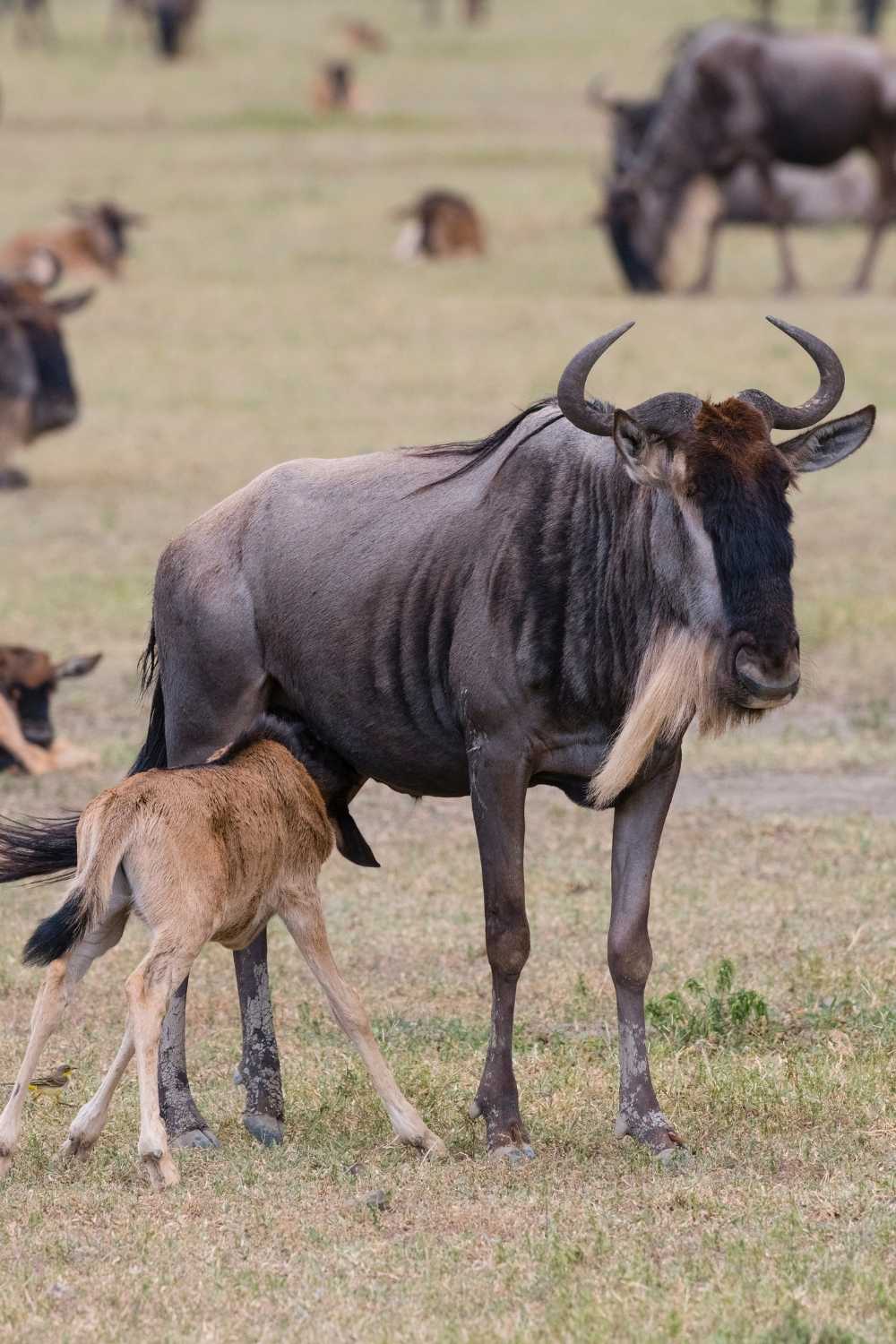
February is the heart of the calving season in the southern Serengeti. Thousands of wildebeest are born in the southern plains from December to early March, and predators are never far away. It’s also an amazing month for climbing Mount Kilimanjaro or Mount Meru, with clear skies and fewer climbers on the routes. Or you can run the Kilimanjaro Marathon, held at the end of February or the beginning of March.

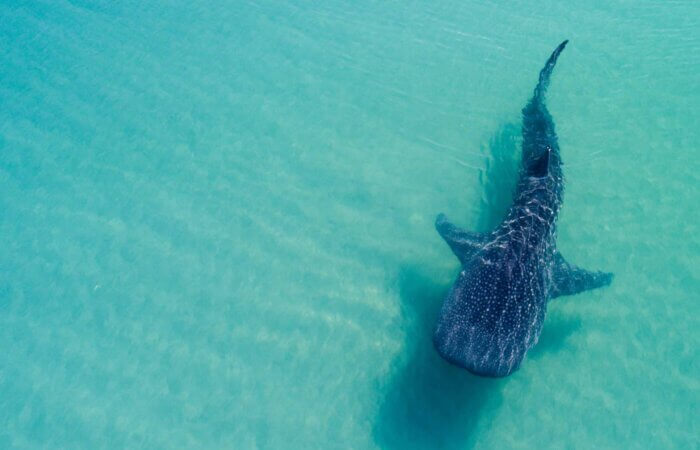
Tanzania in February is hot and dry, making it perfect for spending time on the white sand beaches of Zanzibar, Mafia, and Pemba Island. You can also snorkel with whale sharks before they leave Mafia’s waters in March.

All in all, February offers amazing opportunities for safaris, trekking, and relaxation.
Tanzania in October

Hightlights of February

Short overview
  • Witness the peak of the calving season in Ndutu, the southern Serengeti
  • Experience amazing birding opportunities with both migrants and endemic species
  • Go snorkeling with whale sharks

What not to miss in February

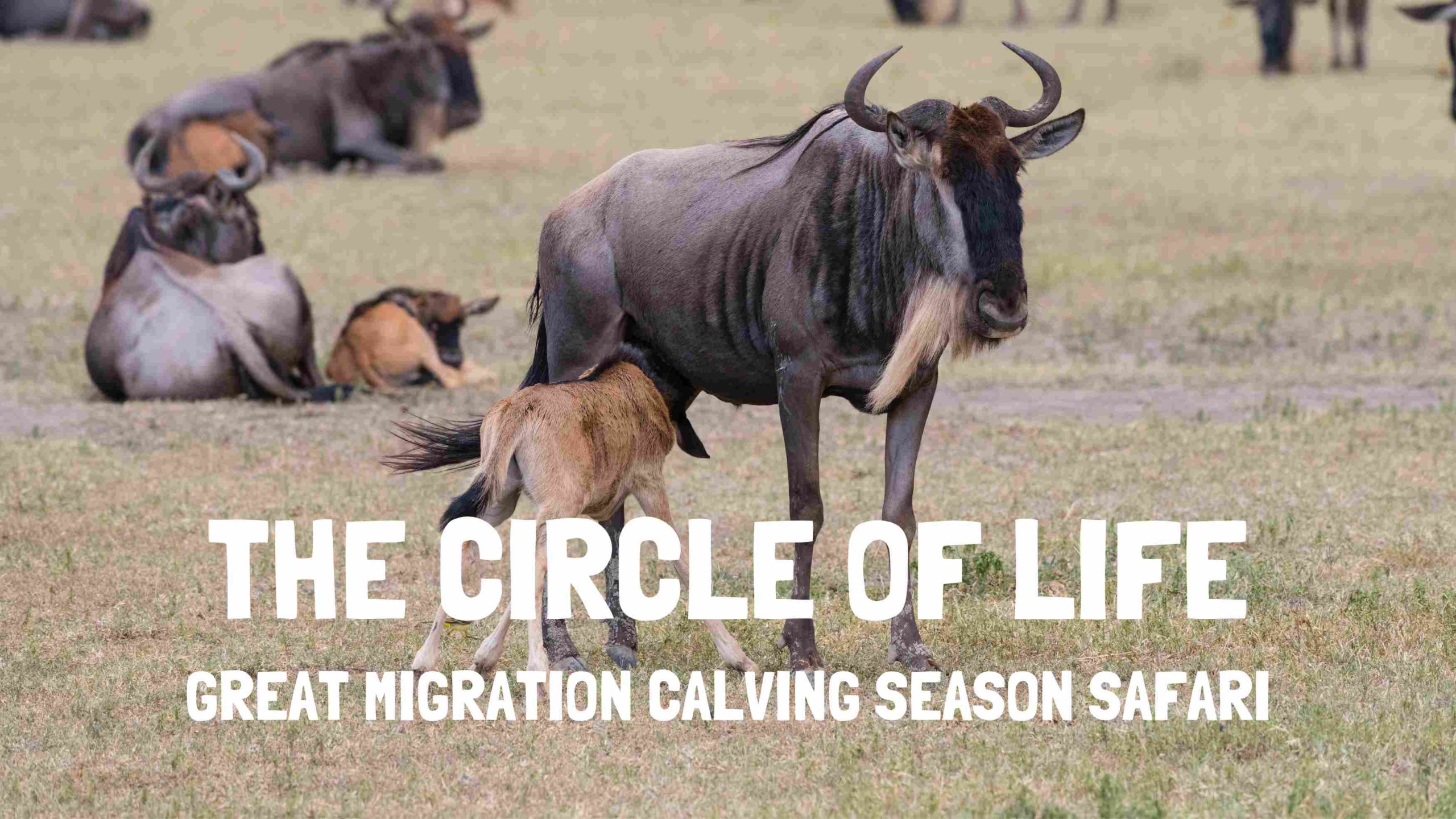
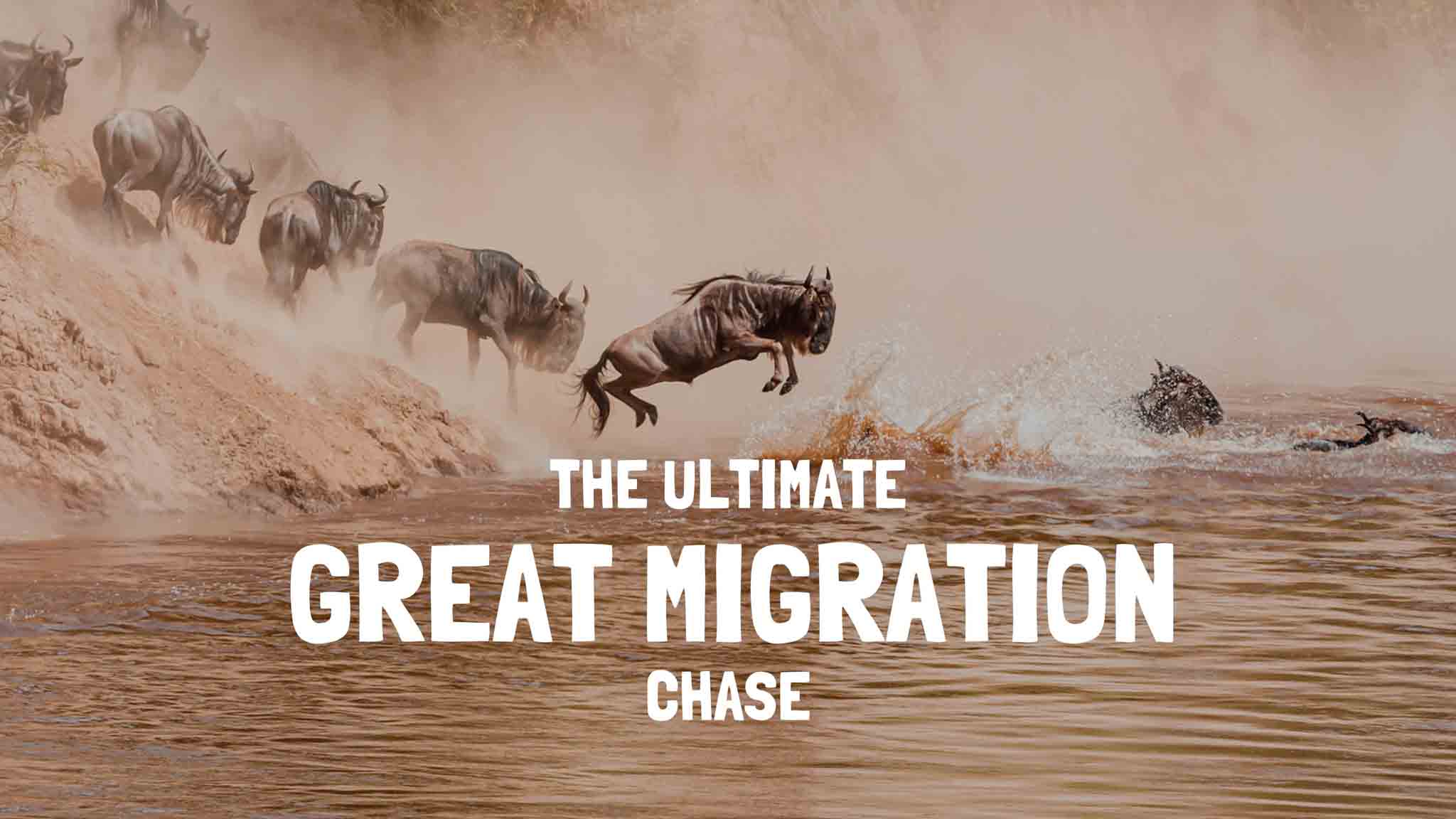
With over half a million calves being born, the Ndutu area in the southern Serengeti is teeming with life. Since the migration follows the rains that bring fresh grass and water, the exact timing of the calving season may vary. Usually, it begins in December and ends in mid-March. The peak of the calving season starts mid-January and lasts all throughout February. That means you will be able to see plenty of adorable baby animals, but also exciting predator action.

Along with over 2 million wildebeest, gazelles and zebras also join the migration from Ndutu to the Maasai Mara in southern Kenya and back. You will also be able to see their young in February. However, if you want to witness the famous Mara River crossings, it is best to visit between July and October.

You can learn more about the migration here.

With fewer climbers on the routes, warm weather, and excellent visibility before the rains begin, February is an amazing month to climb Mount Kilimanjaro. The only drawback is that trails can get slippery due to increased rainfall at the end of the month. This is why we recommend booking your climb at the beginning of February.

If you prefer running instead of trekking, you can join one of Tanzania’s most exciting annual events at the base of Africa’s tallest mountain: the Kilimanjaro Marathon. This event is usually held in February or the beginning of March and is both challenging and rewarding. People from all over the world join the full and half marathon or the 5-kilometer fun run. The Kilimanjaro Marathon also supports a number of different charities.

February is an amazing month for a beach holiday! You can spot whale sharks (and even snorkel with them!) before they continue their migration in March or enjoy the hot weather on one of the white sand beaches or sandbanks. With the phenomenal underwater visibility, February is perfect for diving or snorkeling. Spot tropical fish, corals, or even the upside-down jellyfish of the Kua Lagoon!

You can also go birdwatching in the Northern circuit, where both Palearctic and intra-African migrants can be spotted as they try to escape the winter or are heading for their breeding grounds. Wetland species like the greater flamingo can be spotted in the Momella lakes of Arusha National Park or Lake Manyara National Park. The Ngorongoro Crater, the largest intact caldera in the world, also offers amazing birding. Spot European white storks or rufous-tailed weavers, a species of songbird endemic to Tanzania.
Weather Tanzania in February

February is part of the short dry season (January-February). It falls between the long rainy season (March-May) and the short rainy season (November-December). Tanzania also has a long dry season (June-October).

Since February marks the end of the short dry season, rainfall increases at the end of the month, especially in the south. Most of northern Tanzania remains dry with occasional showers in the afternoons or at night.

Tanzania lies in the Southern Hemisphere, so the seasons are reversed. This means that February is one of the hottest months of the year. Inland, you can expect warm days, and at the coast, it is hot and humid, which is ideal if you want to cool off in clear ocean waters after your safari.


What does that mean for your safari?

The dry weather at the beginning of the month is amazing for walking safaris or a crater rim walk! These will let you experience areas like Arusha National Park and the Ngorongoro Conservation Area in a completely different way by allowing you to be closer to the beautiful flora and fauna Tanzania has to offer.

The waters around Zanzibar and Mafia have an underwater visibility of up to 30 meters, making this one of the best months for diving or snorkeling. The warm weather also makes it comfortable to swim in the evenings, in contrast to the colder weather in months like July and August.
Tanzania in October

The Big 5 in February!

The Big Five can be seen year-round in Tanzania, but sightings vary by season. Here’s what you can expect this month and where your chances of spotting each species are highest.

Lions

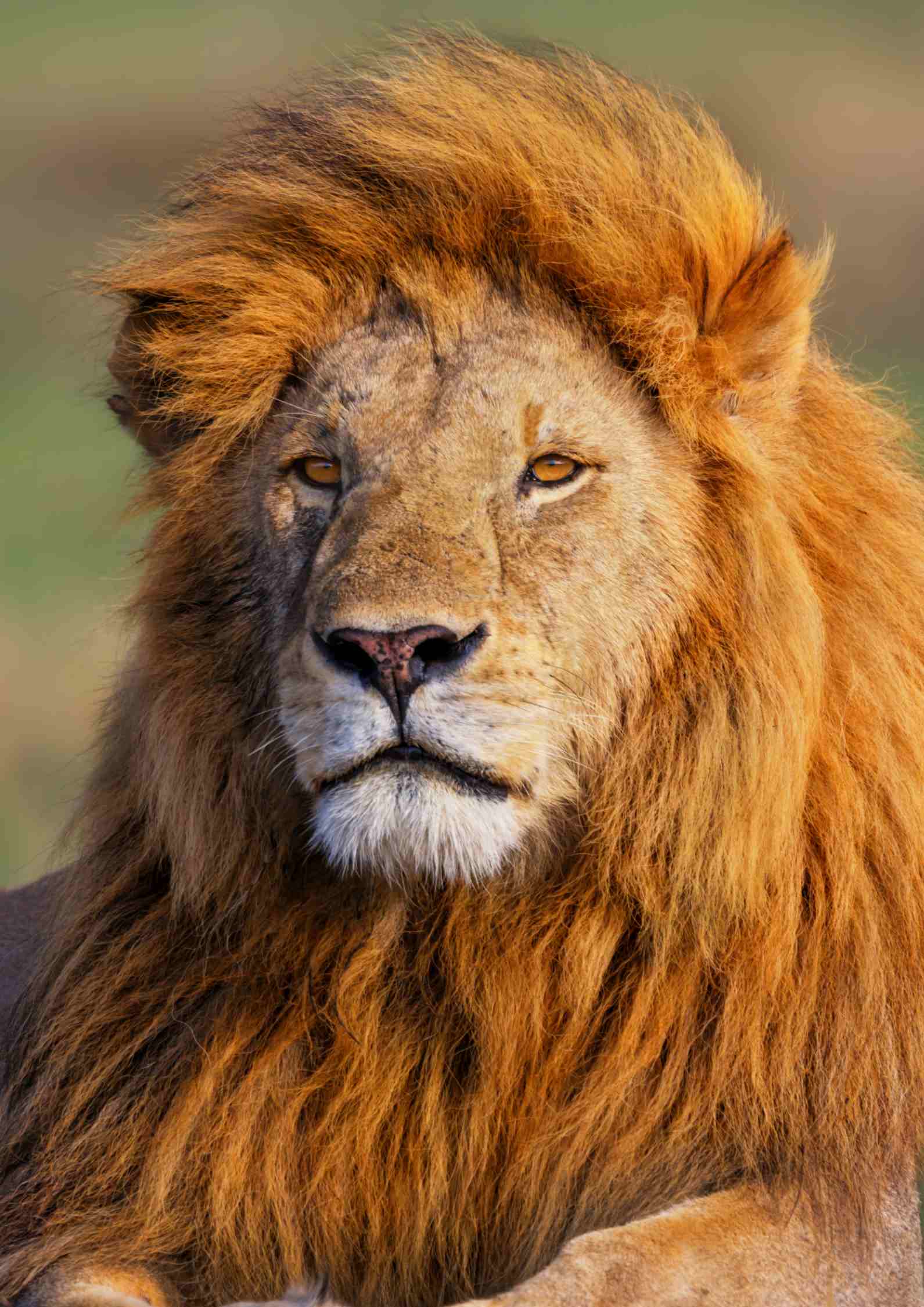
February is an excellent month for lion sightings, especially in the southern Serengeti, where the calving season continues. With thousands of young wildebeest and zebra still vulnerable, lions remain highly active, patrolling the plains and taking advantage of plentiful prey. Lions also give birth during calving season, allowing cubs to practice their hunting skills on the less experienced calves.

Leopards

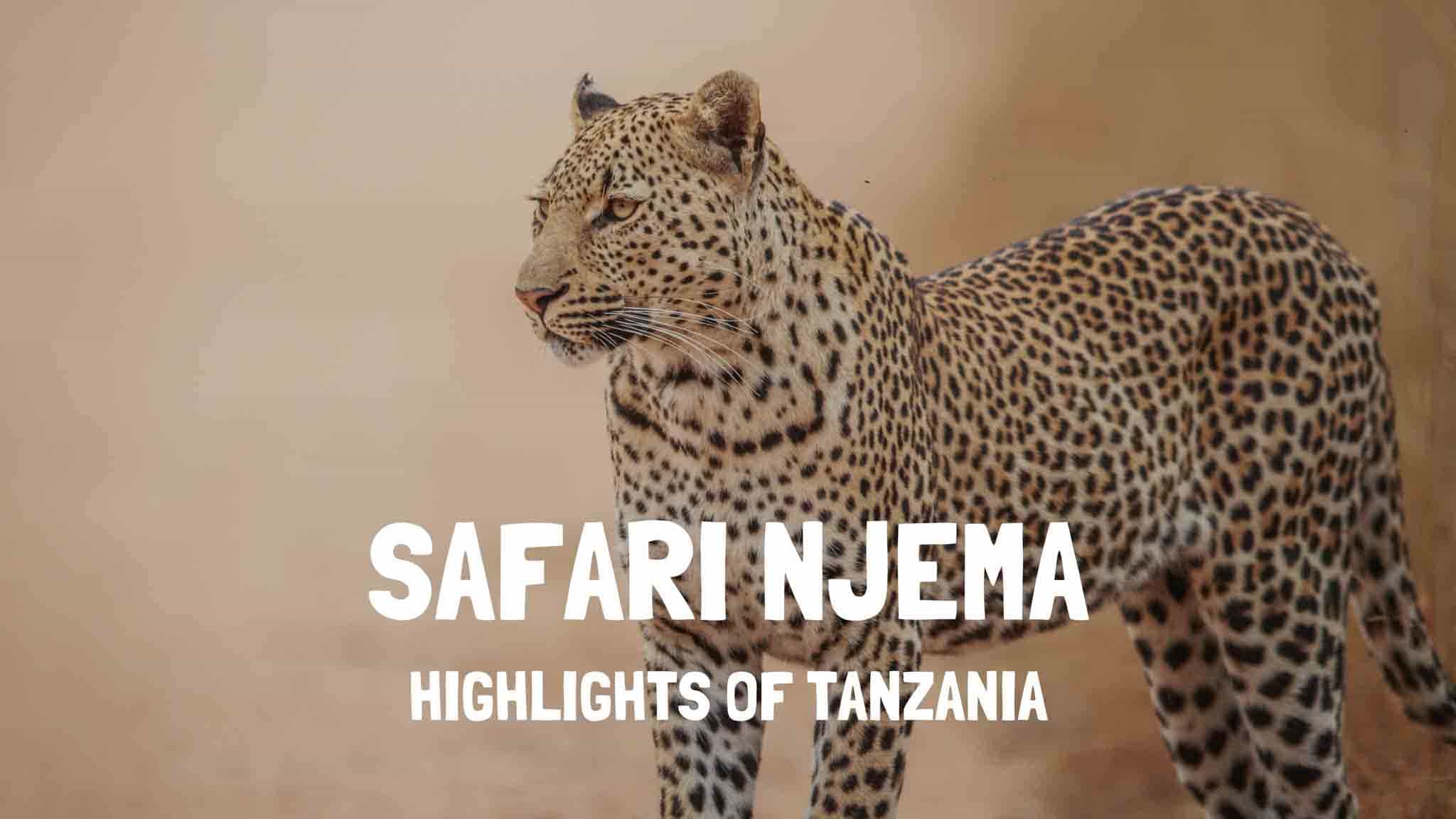
Leopards remain visible all year since they hold stable territories. As the short dry season progresses, they’re often found lounging in acacia trees or quietly stalking along riverine forests where prey concentrates. The mix of dry vegetation and open views can make these elusive cats slightly easier to spot than in months with denser greenery.

Fun fact: To warn other leopards to stay away from their territories, they leave scratches on trees and urine scent marks on the perimeters.

Elephants

Elephants are present year-round, with February offering excellent spotting opportunities. Especially in Tarangire, which is famous for its herds of enormous elephants, though sightings remain strong across the northern circuit. With water sources being scarce due to the lessened rainfall in the short dry season, elephant herds often gather near rivers and permanent swamps.

Buffaloes

Buffaloes are abundant in February, forming large herds that move across open grasslands in search of fresh grazing grounds. Because of the dry landscape, they stay close to water sources, making them easy to locate near rivers and wetlands. Their presence is unmistakable! They are powerful creatures and are often accompanied by oxpeckers perched on their backs.

Rhinos

Rhinos are present year-round in Tanzania. They are most reliably seen in the Ngorongoro Crater. This is because the crater floor holds permanent water and food sources, which offers excellent conditions. With great visibility due to drier vegetation and a small but stable population in this protected area, February provides clear, memorable encounters with these rare giants.

Crowds & Costs in February

In February parks are less crowded than in peak months like July and August. This makes safaris feel more personal, and trekking Mount Kilimanjaro or Meru a quieter experience.

Prices are also lower than in the high season, which runs from June until October, especially depending on your accommodation preferences. Luxury lodges offer more attractive rates with interesting discounts. Mid-range lodges tend to keep stable prices year-round, and park fees remain the same in every season. To get the best deals, we recommend booking around 6 months in advance.

The advantage of February is an amazing balance: fewer crowds, slightly better prices, and still excellent wildlife viewing.

How to plan my Tanzania safari?

Tailor made safari 1

1. REQUEST A TAILOR-MADE SAFARI

Tailor made safari 2

 2. CALL WITH US ABOUT YOUR TRAVEL PLANS

3. CO-CREATE YOUR DREAMSAFARI

Tailor made safari 4

4. PACK-UP , SAFARI NJEMA!

Tanzania in February: Packing Tips

February is hot and humid, especially along the coast. This is why we suggest packing breathable clothing and enough sun protection for the warm weather, like hats and a high-SPF sunscreen.

We also recommend bringing a light rain jacket and water-resistant shoes for the occasional rainfall, especially later in the month.

Tanzania in February: Conclusion

February is one of the best months of the year to combine a safari with the beach. The drama of the calving season, excellent birding opportunities, and clear waters for diving and snorkeling make it an exciting time.

Let's plan your Tanzania adventure!

Ask us for a quote or enquire about your tailor-made travel proposal. We'll be in touch within 24 hours.

FAQ on Safaris in Tanzania in February

Do you have questions about a safari to Tanzania? We’re happy to help! From practical tips to activity recommendations. Below, you’ll find answers to frequently asked questions to ensure a smooth and unforgettable journey.

If you can’t find your answer here, don’t hesitate to contact us directly. We’re here to assist you!

Which island should I visit in February?

It depends on what you are looking for because Zanzibar, Mafia, and Pemba all shine in February.

  • Zanzibar is great for combining white sandy beaches with cultural tours in Stone Town. 

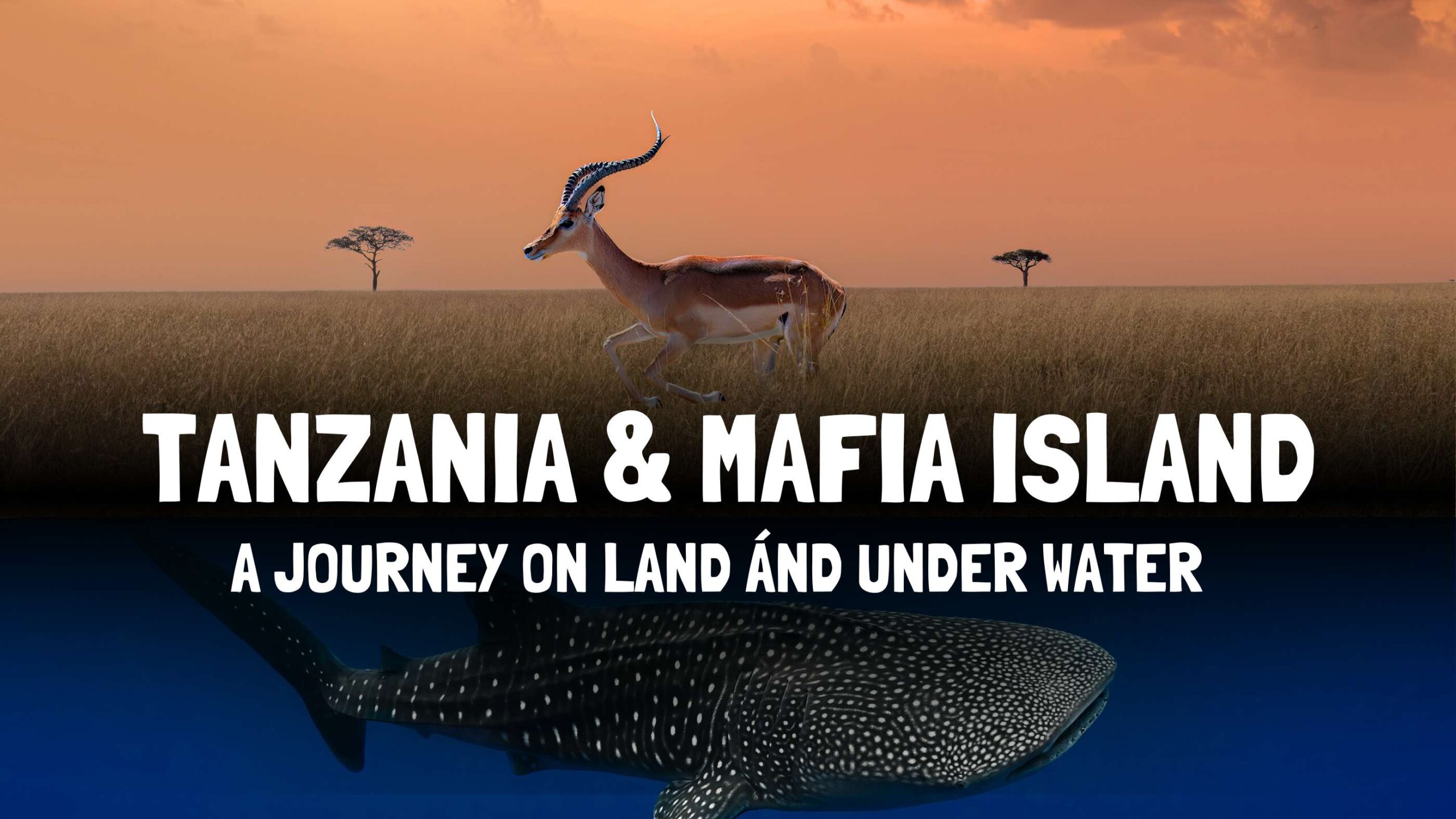
  • Mafia Island is famous for diving and snorkeling, especially with whale sharks. 

  • Pemba Island has a more off-the-beaten-path feel. It is perfect for those seeking peace and tropical beauty!

Is it possible to do a balloon safari in February?

Yes, hot air balloon safaris operate in February. However, if there is heavy rain or wind, your flight will be canceled for your safety. We therefore recommend the beginning of the month. February is a great time to float above the Serengeti, especially over the Ndutu area where the calving season takes place.

Are there mosquitoes in Tanzania in February?

Yes, in Tanzania mosquitoes are present all year, especially in warm and humid areas like the coast and due to increasing rainfall at the end of the month. Most safari lodges provide mosquito nets, and insect repellent is always recommended to bring with you.

Is February good for photography?

Absolutely! February is especially great for wildlife photography because of the presence of migratory birds and the spectacle and drama of the calving season. With a bit of luck, you will be able to capture beautiful action shots of predators chasing prey across the plains.

Are the roads in good condition in February?

Because of the rains at the end of the month, we recommend a safari in the northern circuit. This is because there are heavier showers in the south of Tanzania, and the rainfall can make remote, unpaved roads inaccessible.

What other travelers say

 
Tilly Muntslag - Pavert profile picture
Tilly Muntslag - Pavert
September 20, 2026
positiverecommends
Arusha Trips organized a wonderful safari for us with a super friendly guide who took us to the best spots. The accommodations were top-notch. What an amazing experience. Communication during the organization is handled smoothly in Dutch, and the locals know how to guide you like no other.

(Translated by Google, see original)
Posted on Facebook Facebook
elzeline scheele profile picture
elzeline scheele
September 18, 2026
Google star 1Google star 2Google star 3Google star 4Google star 5
+8
Great travel agency! We had a tailor-made honeymoon. With everything included. Clear information beforehand. And good guidance from the guide! We would definitely choose Arusha Trips again for our next trip.

(Translated by Google, see original)
Posted on Google Google
elzeline s profile picture
elzeline s
September 18, 2026
Tripadvisor star 1Tripadvisor star 2Tripadvisor star 3Tripadvisor star 4Tripadvisor star 5Verified
Successful honeymoon! We had a wonderful tailor-made honeymoon thanks to Arusha Trips! Everything was discussed in advance via email, and we received clear information. At the location itself, there were great guides and accommodations. Everything was perfectly arranged! With a special thank you to Hector, our guide for the 9-day safari. With so much experience and knowledge, he showed us the most beautiful sights in the national parks. A fantastic trip. I would definitely book with Arusha Trips again and recommend it to others!

(Translated by Google, see original)
Posted on Tripadvisor Tripadvisor
michael hawkins profile picture
michael hawkins
September 16, 2026
Google star 1Google star 2Google star 3Google star 4Google star 5
+4
In August 2026, we booked a private family trip through Arusha Trips for our family (2 adults and 2 children aged 12 and 15), consisting of 8 days of safari and 6 days in Zanzibar. Even before the trip, contact with Arusha Trips went wonderfully, allowing us to create the perfect itinerary together. All the parks we wanted to see were included, and regarding the accommodations, we received many options and suggestions, allowing us to choose the ones we wanted to take. All the accommodations were truly top-notch, especially Tukaone Tented Camp and Tarangire Simba Lodge. Here, you really got the feeling of the movie Out of Africa. Close to and among the wild animals! The first day was a nice relaxing day in Forrest Hill, enjoying the pool, a beautiful view of Mount Meru, and also many beautiful birds in the garden. The second day was in Arusha NP, including a walking safari, which was absolutely amazing and brought us very close to many animals. The third day was at Lake Manyara, our first time face-to-face with elephants. We took a 2-hour canoe trip here, which was a wonderful experience with beautiful views of the park, where global warming is also very clearly visible. After that, three days in Serengeti National Park, which really is the most beautiful thing you can see; so much stunning nature, those kopjes, those vast plains, and of course, all the animals. Lions, leopards, giraffes, hyenas, cheetahs, wildebeest, hippos, elephants, vultures, zebras, just to name a few. And then, of course, the overnight stays in the tented camps—such a fun experience and yet so comfortable. Listening to all the sounds of nature. The icing on the cake was, of course, the fact that we got to witness the wildebeest migration not once, but twice in one day. Then, after a nice descent, arriving at Ngorongoro Crater—super idyllic—and so much wildlife. Once again, we were incredibly spoiled by the animals. We saw rhinos up close, had lunch at a hippo pool, and so much more. Then a day at Tarangire NP, again so much more than expected: swimming zebras and wildebeest, elephants that are quite a bit bigger than elsewhere, and then those baobab trees. Then we enjoyed the pool at Tarangire Simba Lodge for a while before going on a night game drive, where we saw many different animals than you can see during the day: bushbabies, serval cats, and chameleons… The next day was saying goodbye to Tanzania Mainland to head to Zanzibar. Here, we had quite a few excursions planned again: Cheetah Rock, swimming with horses in Jambiani, swimming with dolphins in Kizimkazi, a snorkeling trip to Mnemba Island—all arranged perfectly. Throughout the entire trip, Arusha Trips was also always available to answer all our practical questions via WhatsApp, but everything was also arranged so smoothly. Of course, we also definitely want to thank our guide/driver whom Arusha Trips arranged for us: Joseph Chipeta. Not only did he ensure that everything went smoothly and safely, but thanks to him we also saw the Big Five, witnessed the wildebeest migration crossing the Mara River twice, saw lions eating, and so much more. His knowledge of the country, the parks, and the animals was truly top-notch. It was also evident that, thanks to his years of experience, he was very well-liked and respected by other guides, and that he was happy to show us everything. We would therefore like to thank Arusha Trips and Joseph Chipeta for giving us the trip of a lifetime, and if it had been possible, we would have gone on safari again immediately.

(Translated by Google, see original)
Posted on Google Google
michael h profile picture
michael h
September 16, 2026
Tripadvisor star 1Tripadvisor star 2Tripadvisor star 3Tripadvisor star 4Tripadvisor star 5Verified
The trip of a lifetime In August 2026, we booked a private family trip through Arusha Trips for our family (2 adults and 2 children aged 12 and 15), consisting of 8 days of safari and 6 days in Zanzibar. Even before the trip, contact with Arusha Trips went wonderfully, allowing us to create the perfect itinerary together. All the parks we wanted to see were included, and regarding the accommodations, we received many options and suggestions, allowing us to choose the ones we wanted to take. All the accommodations were truly top-notch, especially Tukaone Tented Camp and Tarangire Simba Lodge. Here, you really got the feeling of the movie Out of Africa. Close to and among the wild animals! The first day was a nice relaxing day in Forrest Hill, enjoying the pool, a beautiful view of Mount Meru, and also many beautiful birds in the garden. The second day was in Arusha NP, including a walking safari, which was absolutely amazing and brought you very close to many animals. The third day was at Lake Manyara, our first time face-to-face with elephants. We took a 2-hour canoe trip here, which was a wonderful experience with beautiful views of the park, where global warming is also very clearly visible. After that, three days in Serengeti National Park, which really is the most beautiful thing you can see; so much stunning nature, those kopjes, those vast plains, and of course, all the animals. Lions, leopards, giraffes, hyenas, cheetahs, wildebeest, hippos, elephants, vultures, zebras, just to name a few. And then, of course, the overnight stays in the tented camps—such a fun experience and yet so comfortable. Listening to all the sounds of nature. The icing on the cake was, of course, the fact that we got to witness the wildebeest migration not once, but twice in one day. Then, after a nice descent, arriving at Ngorongoro Crater—super idyllic—and so much wildlife. Once again, we were incredibly spoiled by the animals. We saw rhinos up close, had lunch at a hippo pool, and so much more. Then a day at Tarangire NP, again so much more than expected: swimming zebras and wildebeest, elephants that are quite a bit bigger than elsewhere, and then those baobab trees. Then we enjoyed the pool at Tarangire Simba Lodge for a while before going on a night game drive, where we saw many different animals than you can see during the day: bushbabies, serval cats, and chameleons… The next day was saying goodbye to Tanzania Mainland to head to Zanzibar. Here, we had quite a few excursions planned again: Cheetah Rock, swimming with horses in Jambiani, swimming with dolphins in Kizimkazi, a snorkeling trip to Mnemba Island—all arranged perfectly. Throughout the entire trip, Arusha Trips was also always available to answer all our practical questions via WhatsApp, but everything was also arranged so smoothly. Of course, we also definitely want to thank our guide/driver whom Arusha Trips arranged for us: Joseph Chipeta. Not only did he ensure that everything went smoothly and safely, but thanks to him we also saw the Big Five, witnessed the wildebeest migration crossing the Mara River twice, saw lions eating, and so much more. His knowledge of the country, the parks, and the animals was truly top-notch. It was also evident that, thanks to his years of experience, he was very well-liked and respected by other guides, and that he was happy to show us everything. We would therefore like to thank Arusha Trips and Joseph Chipeta for giving us the trip of a lifetime, and if it had been possible, we would have gone on safari again immediately.

(Translated by Google, see original)
Posted on Tripadvisor Tripadvisor
Verified by Trustindex
Trustindex verified badge is the Universal Symbol of Trust. Only the greatest companies can get the verified badge who has a review score above 4.5, based on customer reviews over the past 12 months. Read more

Discover some of our sample itineraries

Get inspired by some of our most popular safaris, or create your own tailor-made journey.

Why travel to Tanzania with Arusha Trips

Safe & secure in Africa