Nyerere National Park, created from the northwestern portion of the historic Selous Game Reserve, is one of Africa’s largest protected areas and a jewel of southern Tanzania. The park is 30,893 km², which makes it about the size of Belgium, and is located roughly 230 km southwest of Dar es Salaam.
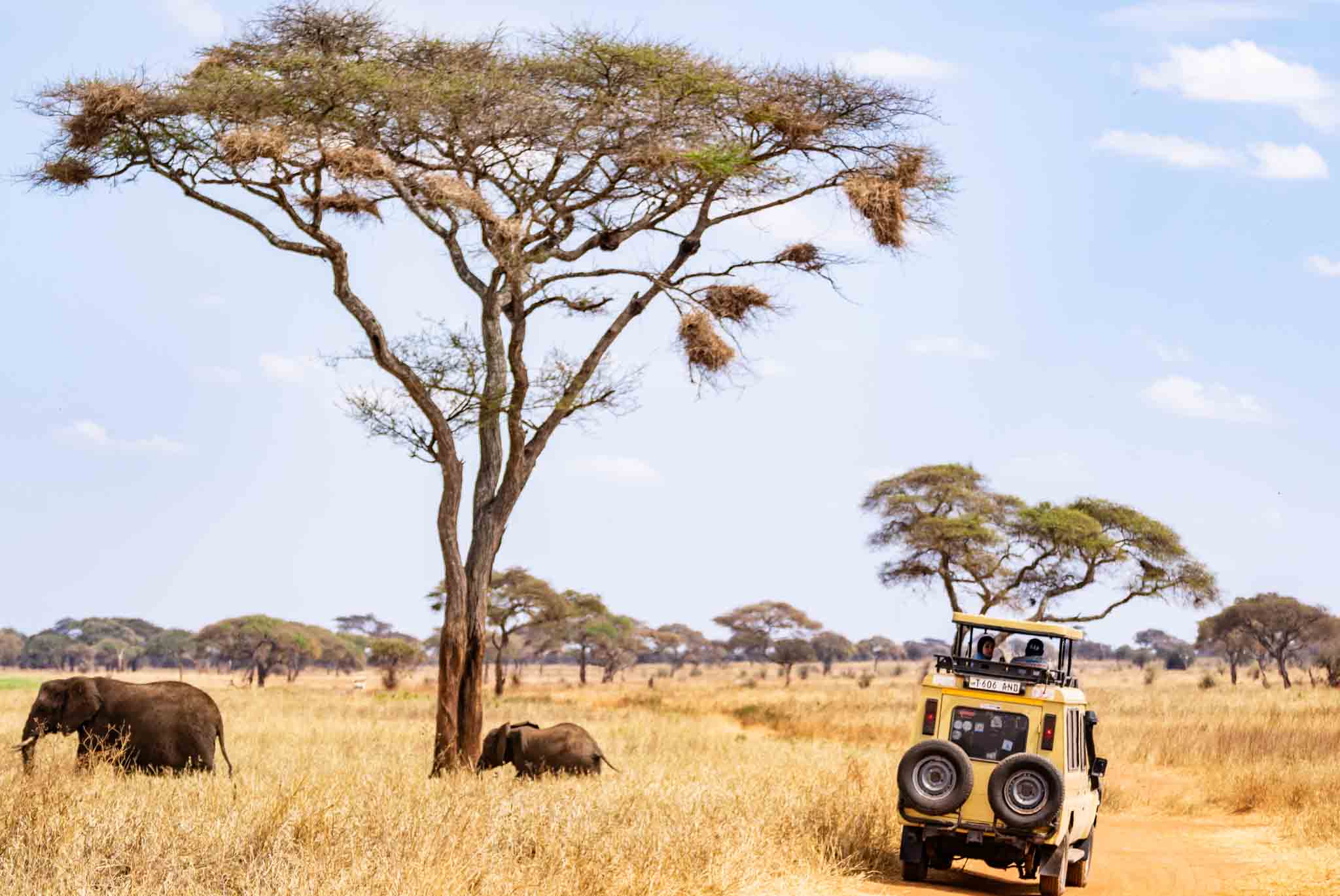
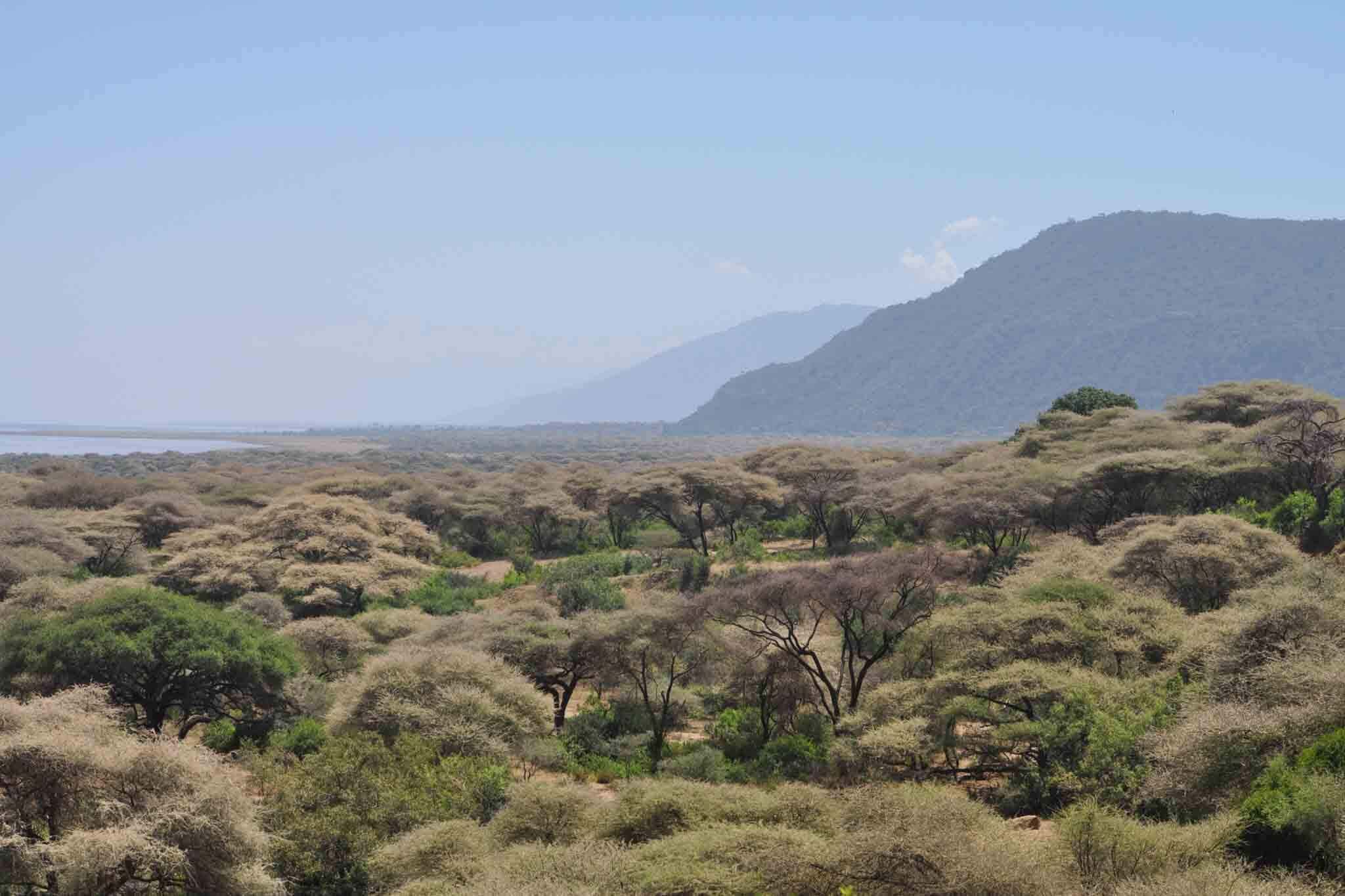
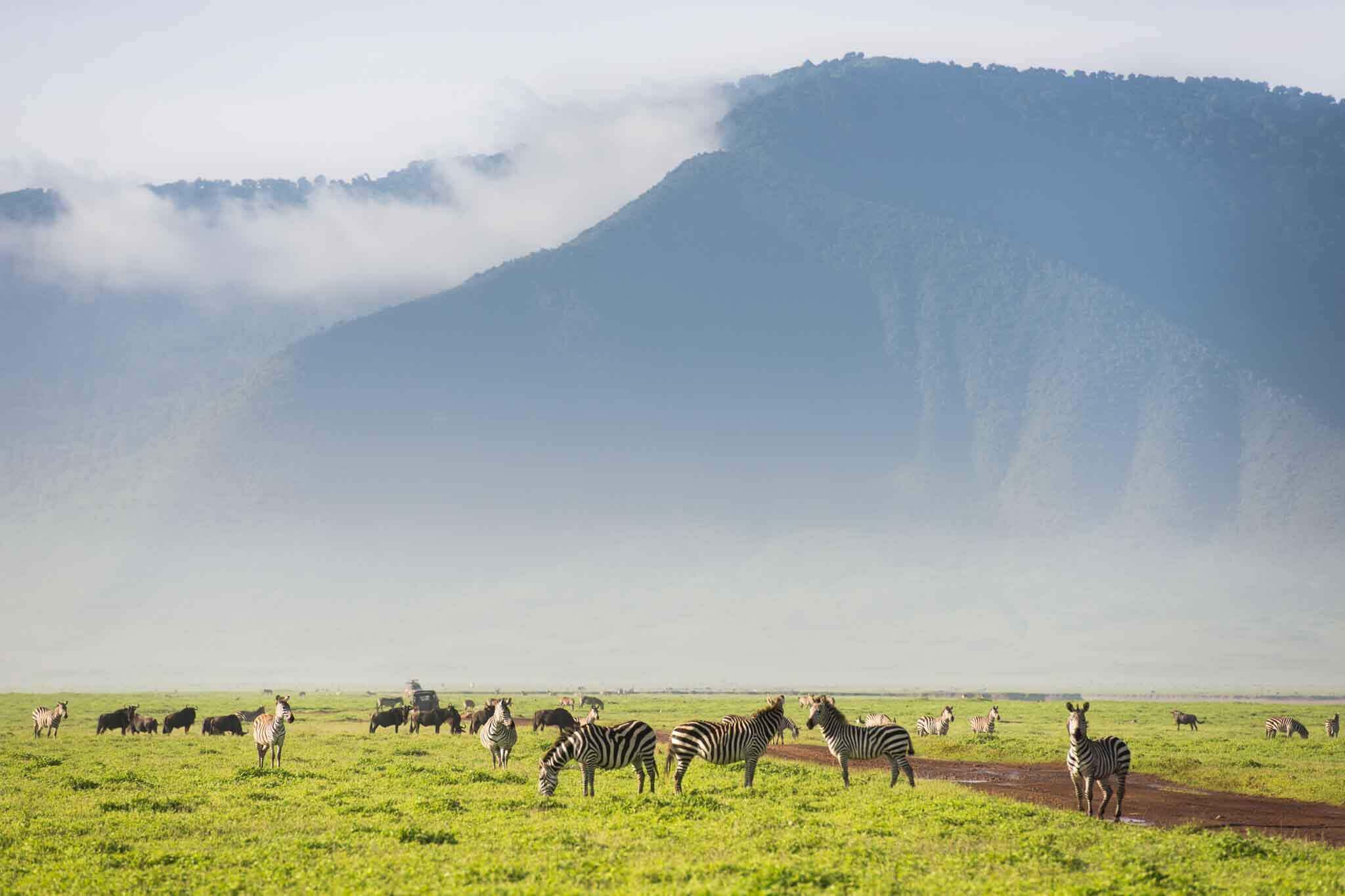
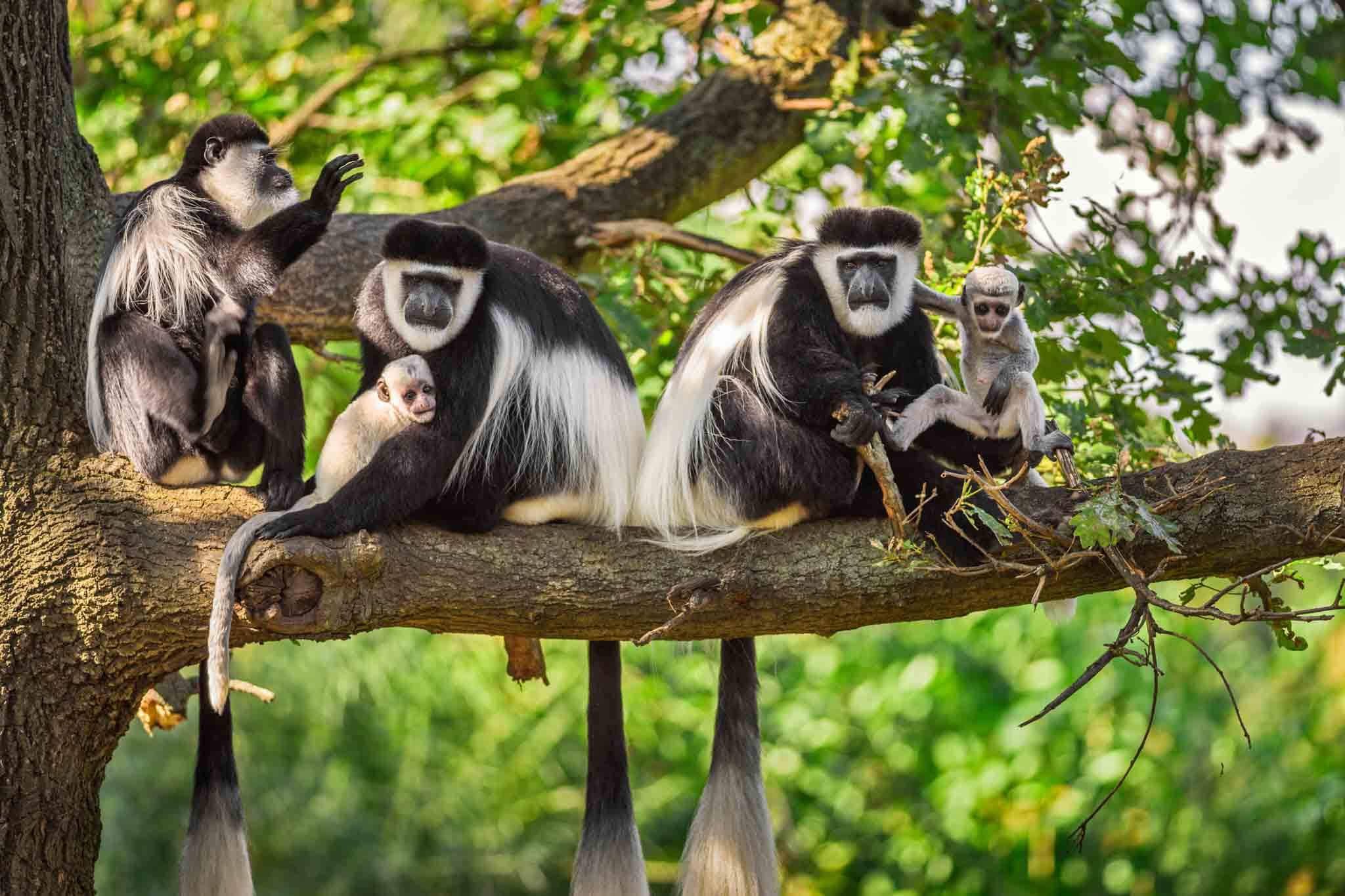
The park is defined by diverse habitats: open savannahs, woodlands, wetlands and thick riverine forests, shaped by the great Rufiji River. This rich environment supports an impressive variety of wildlife, including elephants, lions, wild dogs, hippos and countless bird species.
Visitors can enjoy classic game drives as well as river-based activities, with boat safaris providing a unique way to observe animals up close along the Rufiji’s waterways. Nyerere National Park’s combination of scale, biodiversity, and tranquility makes it an exceptional destination for immersive and authentic Tanzanian safaris.


Nyerere National Park stands out for its immense size, raw wilderness, and remarkably low visitor numbers, offering one of the most authentic safari experiences in Africa.
One of the park’s most iconic highlights, boat safaris along the Rufiji River allow visitors to glide past pods of hippos, large crocodiles, and spectacular birdlife while enjoying a unique and relaxing perspective of the landscape.
From winding river channels and sparkling lakes to palm-fringed riverbanks and vast open plains, Nyerere National Park’s scenery delivers stunning photographic opportunities and unforgettable sunsets.
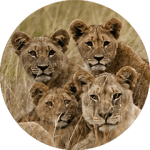
Its landscapes are dramatic and varied, shaped by sweeping savannahs, dense woodlands, and vast wetlands, all anchored by the powerful Rufiji River. This diversity supports an exceptional range of wildlife, including some of Tanzania’s largest populations of elephants, as well as lions, leopards, African wild dogs, buffalo, and abundant birdlife. The sense of remoteness, far from the crowded northern circuit, makes it ideal for travelers seeking a peaceful, immersive encounter with nature.

The best time to visit Nyerere National Park is during the dry season from June to October, when the weather is cooler and wildlife gathers around the remaining water sources, making game viewing easier and more rewarding. This period offers clear skies and comfortable conditions for both game drives and boat safaris along the Rufiji River.
The short dry spell from late December to February is also a good option, with warmer temperatures and occasional sightings of young animals born during the preceding wet season. Birdwatchers may especially enjoy this time, as migratory species are abundant.
Visiting during the wet season from March to May is less common, as heavy rains can flood roads, making them inaccessible. Due to lower visitor numbers, many lodges in southern Tanzania close, but this will make your stay more personal and affordable. In this period, the park’s landscapes are lush and green, rivers are full, and it’s an excellent time to see newborn wildlife and dramatic scenery, offering a different, more tranquil safari experience.
A short list of the ‘most wanted’ animals in Nyerere National Park and the chances of spotting them. Some animals are (almost) unique to each park or only appear in certain areas. It’s important to let us know your wildlife preferences, so we can give you the best chance of spotting your favorite animal.
The numbers listed are an estimation of how often we’ve seen these animals ourselves based on our visits. Some animals we’ve seen 100%, everytime we’ve visited. However, it’s not a zoo, so there’s always a chance you miss an animal.
Feel like visiting yet?
This area is dominated by the Rufiji River and its floodplains, supporting lush riverine forests and wetlands. It’s ideal for boat safaris, hippo and crocodile spotting, and rich birdlife.
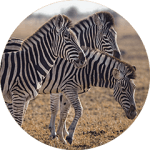
Wide-open plains and scattered woodlands characterize this region, offering excellent opportunities to see elephants, buffalo, giraffes, zebras, and large predators like lions.
Less visited and more remote, the southern section is largely untouched wilderness with rolling hills, dense woodlands, and seasonal waterholes. It’s a hotspot for wildlife that prefers seclusion, like wild dogs and leopards.
Scattered lakes and marshes throughout the park attract a variety of waterbirds and smaller mammals, making this area ideal for birdwatching and photography.
This area is the former Selous northern section and is closer to access points and often used for game drives, combining open savannah with riverine habitats and a mix of large mammals and predators.
Nyerere National Park has a tropical climate with clear wet and dry seasons. The best time to visit is during the dry season (June–October), when wildlife gathers around water sources and game drives are easiest. The short dry spell (December–February) offers warm weather and lush landscapes, while the wet season (March–May) brings dramatic scenery, full rivers, and plenty of newborn animals, though some roads can be challenging. Temperatures generally range from 20°C to 30°C, with cooler nights in open areas.
Nyerere National Park offers more than ‘just’ wildlife spotting. There’s quite a few amazing activities you can undertake if you’re on your way to the park.
For example:
For more info check out the activities on the right or contact us.

You can also reach Nyerere National Park by air. From Dar es Salaam Airport, a small charter flight takes about 1 hour, offering a quick and scenic alternative to the long drive. Flights from Zanzibar to nearby airstrips take around 1 hour and 30 minutes, making the park accessible for island travelers.
Driving inside the park is only allowed between 6:00 am and 6:00 pm.