Tanzania in June

Experience clear skies, cool air, and amazing wildlife in June

Visit Tanzania in June

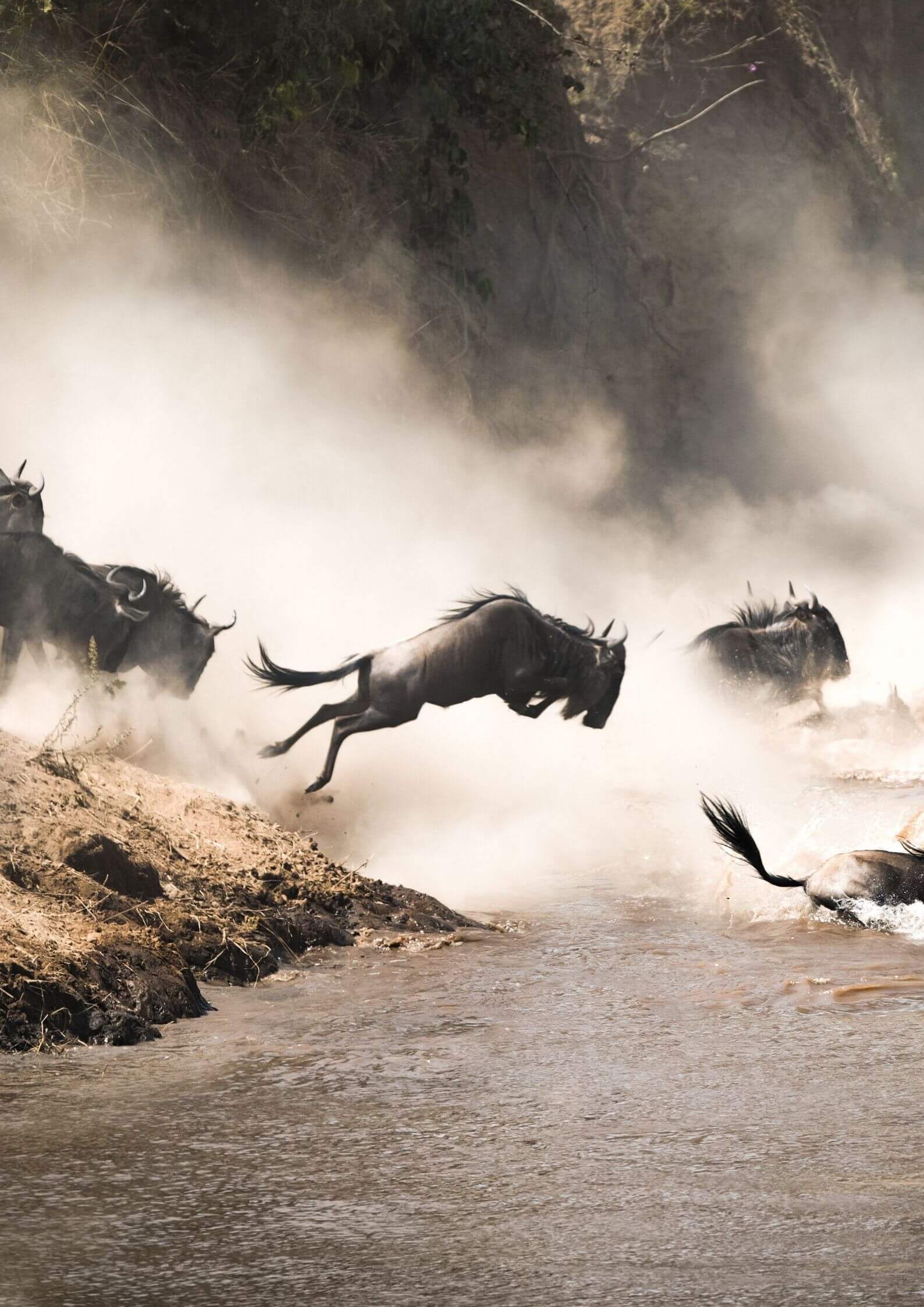
June is one of the best months to explore Tanzania. Days are cool and dry with plenty of sunshine. It’s the start of the dry season, so animals begin gathering around rivers and waterholes. You might witness the Grumeti River crossings as wildebeest move toward the northern Serengeti. Because temperatures are cooler than in previous months, wildlife stays active throughout the day, making safaris incredibly rewarding.

June also offers great conditions for Kilimanjaro and Mount Meru climbs, crater rim walks in Ngorongoro, and canoe safaris on Lake Manyara.
Hightlights of June

Short overview
  • Witness the Grumeti River crossings
  • Watch sea turtles hatching or spot dolphins along the coast
  • Enjoy amazing weather conditions for safaris and other outdoor activities

What not to miss in June

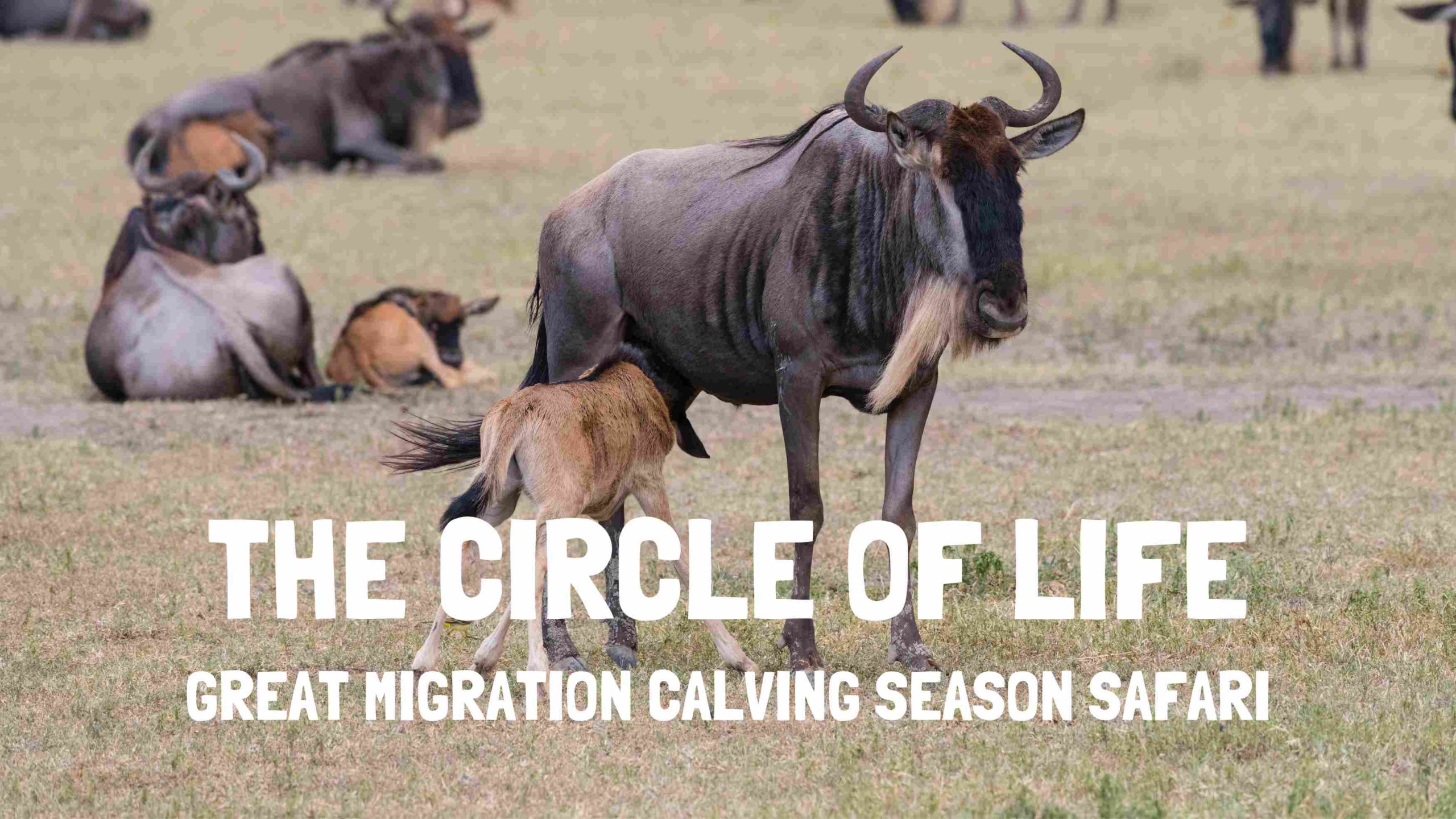
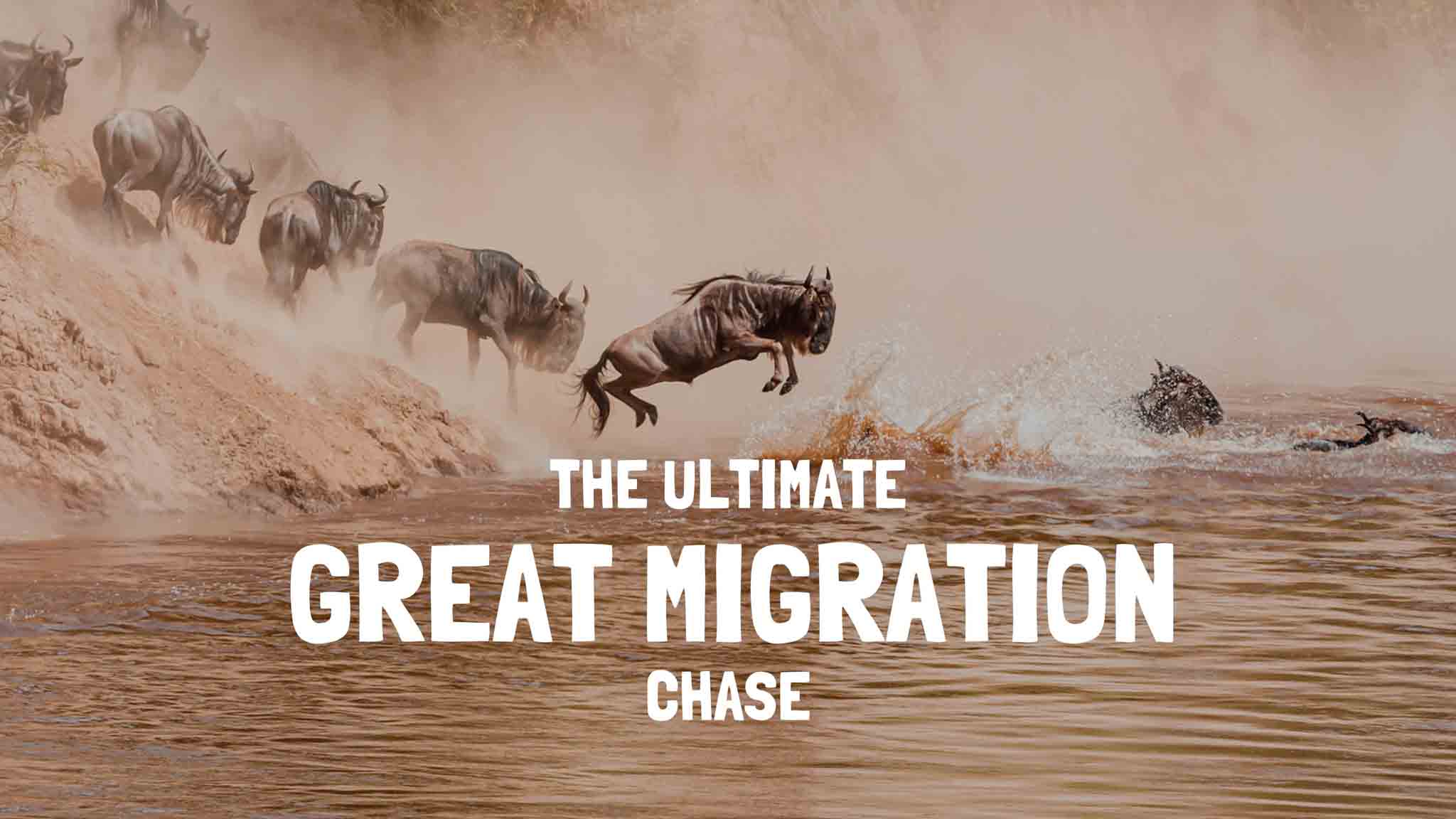
The great migration is an annual trek with over 2 million wildebeest, who are joined by gazelles and zebras. They walk from Ndutu, in the southern Serengeti, to the Maasai Mara, in southern Kenya. In June, they move through the central Serengeti, heading north toward the Grumeti River. If you’re lucky, you might witness the Grumeti River crossings. They are smaller than the famous Mara crossings but spectacular in their own right.

You can learn more about the migration here.

Tarangire National Park is an amazing destination in June, as the park teems with elephants and giraffes. Birding is also excellent, with the chance to spot the colorful lilac-breasted roller, hornbills, and ostriches. Experiencing Tarangire with a walking safari is great with the dry terrain June offers. You can also enjoy a night game drive and get the chance to spot nocturnal animals like leopards, hyenas, and bush babies. A night game drive is also possible in Lake Manyara National Park.

The warm and breezy weather is perfect for beach days on the islands. Because of the winds and pleasant weather this month, kite- and windsurfing are possible. Dolphins can be seen year-round, but they are easier to spot during the dry season. Or watch baby sea turtles hatching on Mafia Island!

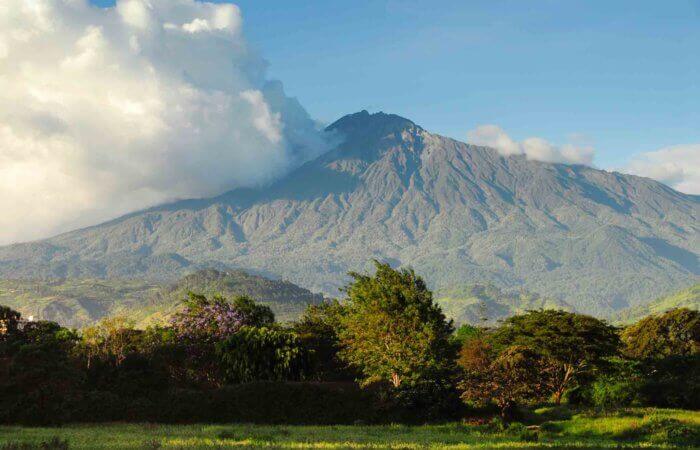
June offers clear skies, cooler air, and excellent climbing conditions due to the drier weather. Climb Mount Kilimanjaro or one of the other mountains Tanzania has to offer, like Mount Meru, Ol Doinyo Lengai, and Mount Longido.
The weather in June

In June, the long dry season (June-October) begins. It falls between the long rainy season (March-May) and the short rainy season (November-December). Tanzania also knows a short dry season (January-February).

Rainfall in June is rare, humidity drops, and the skies are bright and clear. Daytime temperatures are moderate, and evenings can get chilly, especially in higher areas like Ngorongoro and the northern highlands.

At the beginning of the month the landscapes are still green from the rains in the previous months, but as the weather gets drier, so do the plains. They will turn orange once again, and you will be able to get that iconic safari feel.


What does that mean for your safari?

This cooler weather is perfect for safaris and hikes. The drying greenery and wildlife gathering at waterholes also make spotting them easier, which allows for amazing game drives.

June is also great for exploring the coast, where the air is warmer than on the mainland. The underwater visibility is also amazing for diving and snorkeling. You can see up to 30 meters!

Climbing Kilimanjaro is also good in June with clear skies and dry trails. The only drawback is the cold temperatures you will encounter during your climb.
The Big 5 in June!

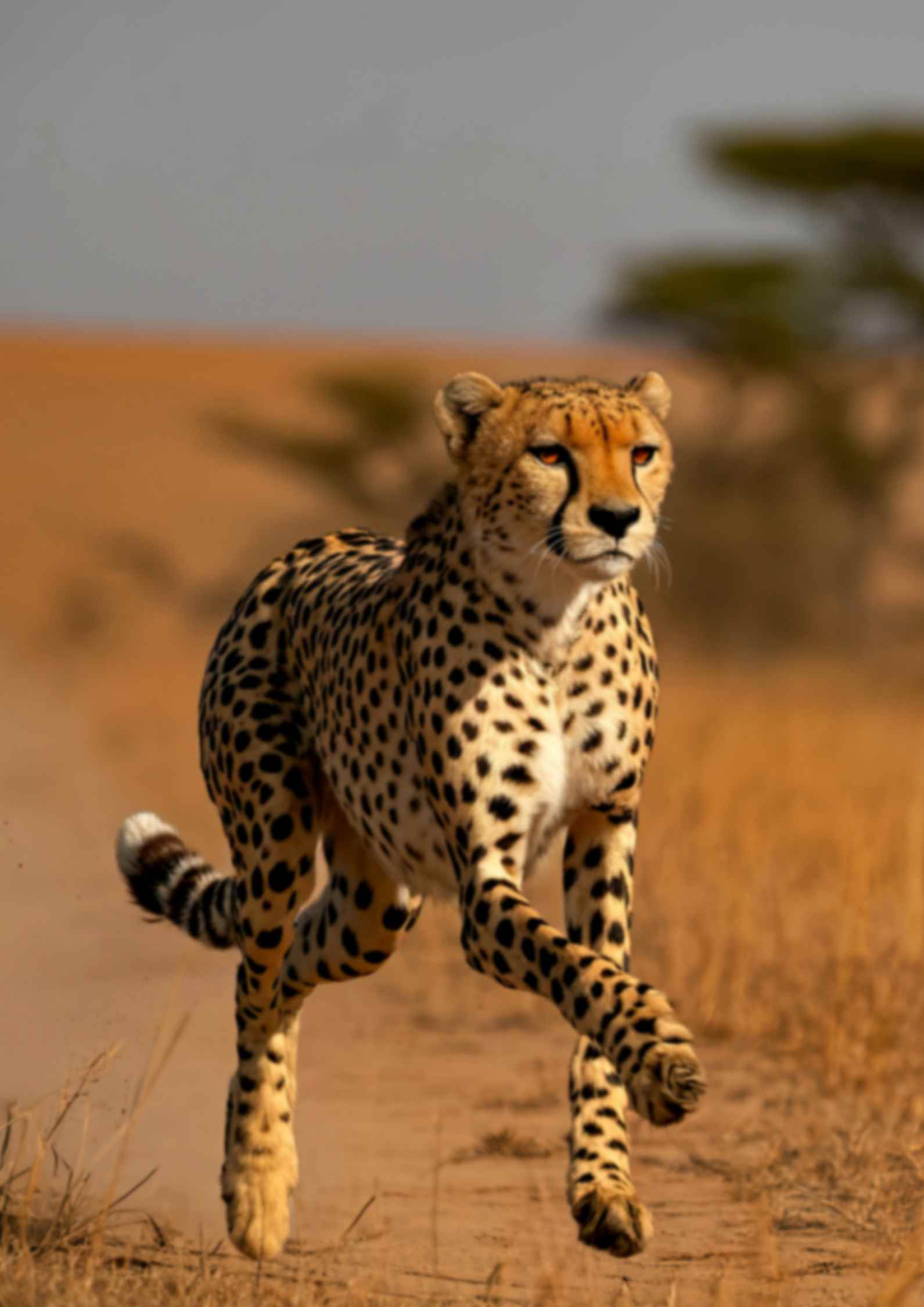
The Big Five can be seen year-round in Tanzania, but sightings vary by season. Here’s what you can expect this month and where your chances of spotting each species are highest.

Lions

June marks the start of the long dry season, and lions become easier to spot as vegetation thins out and prey gathers near remaining water sources. Cooler mornings mean more active hunts, offering great chances to witness these predators on the move. It’s incredible to watch them working together to take down prey.

Fun fact: Lionesses usually give birth around the same time, allowing them to care for their cubs together.

Leopards

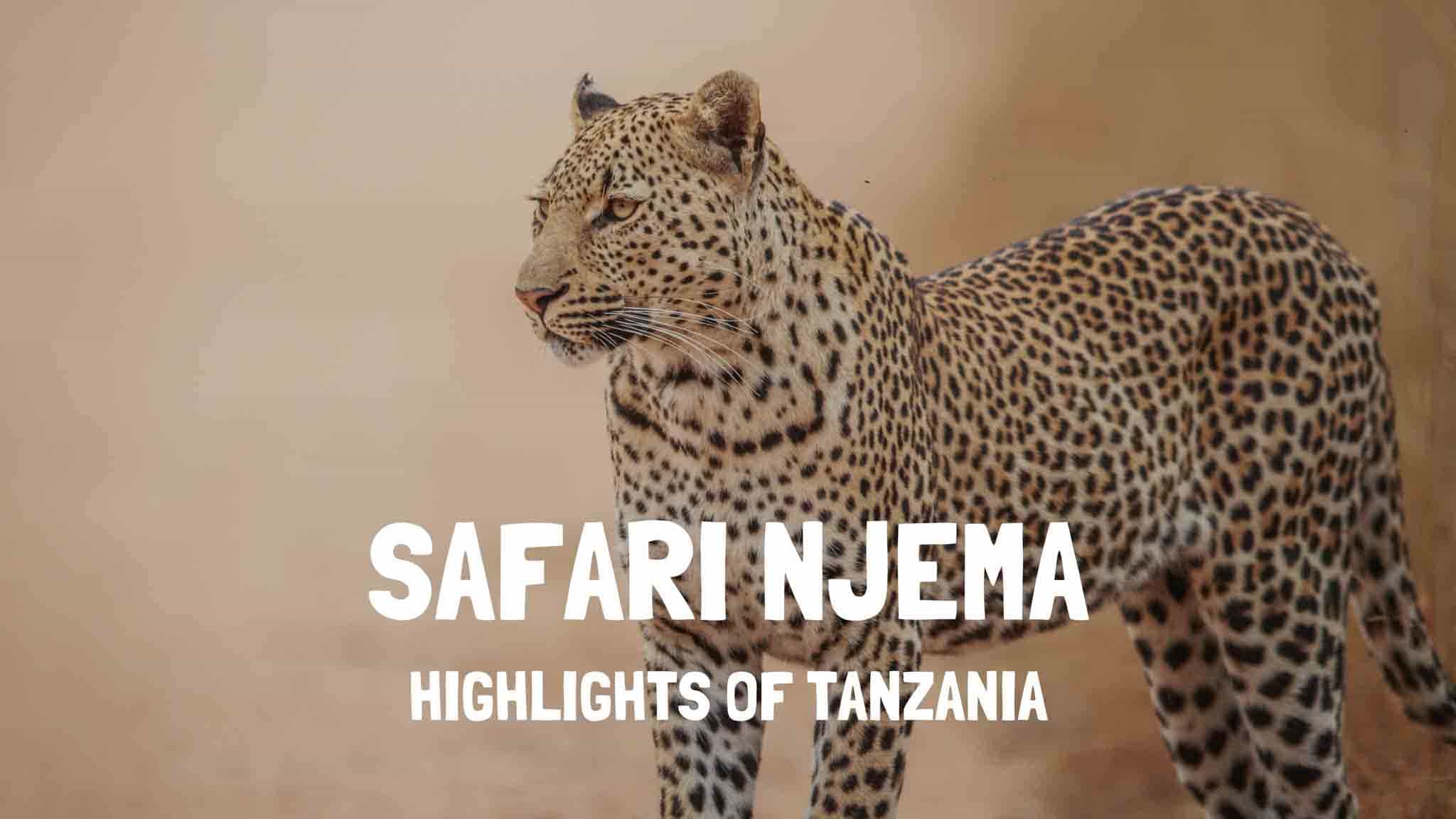
With the landscape gradually drying, leopards remain reliably present in their territories. In June they are often found draped across tree branches, enjoying the cooler, drier weather, or quietly stalking along riverine forests where shade is plentiful. Their solitary nature remains, but visibility improves as grasses and other plants dry, making sightings more frequent than during the rainy seasons.

Elephants

June is a wonderful time to see elephants, as they begin congregating in larger herds with the arrival of the dry season. That is because water sources become less scattered, so elephants gather more predictably near rivers and swamps. The landscape is starting to brown, making their grey silhouettes stand out beautifully across the plains. We recommend visiting Tarangire, which is famous for its large herds of enormous elephants.

Buffaloes

Buffaloes stay widespread and easy to spot during June. With drier conditions settling in, large herds often congregate around dependable waterholes or graze in open areas where food remains. The thinning vegetation makes them more visible, and their tight-knit herd structure creates dramatic safari scenes as they move together across the plains.

Fun fact: Buffaloes can live up to 18 years in the wild.

Rhinos

Rhinos remain present all throughout the year, and June brings clear, crisp mornings in the Ngorongoro Crater, which is one of the best places to spot them. The dry season begins to take hold, reducing the height of grasses and improving visibility.

Rhinos can often be observed feeding in open areas, slowly wandering across the crater floor in the cool, calm weather, or found lounging in muddy pools.

Crowds & Costs in June

June marks the start of the peak season, but the first few weeks are quieter than July through October. You’ll enjoy clear skies, perfect wildlife conditions, and availability at top lodges before the crowds arrive.

Prices rise gradually during the month, reflecting the excellent weather and increasing demand. Even plane tickets can be more expensive. Please also keep in mind that park fees remain the same throughout the year.

To secure your favorite lodges, we recommend booking 6 months to a year in advance.

How to plan my Tanzania safari?

Tailor made safari 1

1. REQUEST A TAILOR-MADE SAFARI

Tailor made safari 2

 2. CALL WITH US ABOUT YOUR TRAVEL PLANS

3. CO-CREATE YOUR DREAMSAFARI

Tailor made safari 4

4. PACK-UP , SAFARI NJEMA!

Tanzania in June: Packing Tips

June is cool and sunny, with higher temperatures along the coast. Therefore, we recommend packing thin, breathable clothing and a thin jacket or sweater. We also suggest bringing plenty of sun protection, like a hat and a high-SPF sunscreen.

Due to the drier weather, there is also more dust. This is especially true at the end of the month. Bringing a scarf or buff will help keep the dust out of your face during game drives.

Tanzania in June: Conclusion

June is a month with clear skies, cool weather, and extraordinary wildlife viewing. It’s the start of the long dry season, when animals gather near water, the landscapes are still green, and every sunrise feels like the start of an amazing adventure.

Whether you’re tracking lions in the Serengeti, climbing Kilimanjaro, or resting by the turquoise waters of Zanzibar, you will enjoy the best conditions in June.

Let's plan your Tanzania adventure!

Ask us for a quote or enquire about your tailor-made travel proposal. We'll be in touch within 24 hours.

FAQ on Safaris in Tanzania in June

Do you have questions about a safari to Tanzania? We’re happy to help! From practical tips to activity recommendations. Below, you’ll find answers to frequently asked questions to ensure a smooth and unforgettable journey.

If you can’t find your answer here, don’t hesitate to contact us directly. We’re here to assist you!

Is it possible to do a balloon safari in June?

June is an excellent month for a hot air balloon safari. The skies are clear, and the landscapes are beautifully green, transitioning into golden hues.

Don’t forget to bring a warm sweater!

Which island should I visit in June?

It depends on your preferences because Zanzibar, Mafia, and Pemba are all amazing!

  • Zanzibar is amazing for people who enjoy a classic beach holiday with cultural activities. In June, you can also go wind- or kitesurfing.
  • Mafia Island is famous for diving and snorkeling, with its amazing coral reefs!
  • Pemba Island is perfect for travelers who love off the beaten track destinations. Enjoy quiet beaches and beautiful greenery on Pemba.

Of course you are not confined to just one island, explore them all!

Are there mosquitoes in Tanzania in June?

Yes, mosquitoes are present year-round, even though they are more abundant during the rainy seasons. Most safari lodges provide mosquito nets, and insect repellent is always recommended.

Is June a good month for photography?

Absolutely! June is one of the best photography months of the year. You get the unique experience of watching the landscape transform from lush and green to dry and orange. This, in combination with June’s clear skies, offers a wonderful background for wildlife photography. In particular the Grumeti River crossings and the exciting predator action these bring.

What makes June special compared to July and August?

June is the start of the high season. This means that compared to July and August, there are fewer visitors, especially in the first half. This means you have early-season migration drama, with the Grumeti river crossings, without high-season crowds.

You will also be able to see the landscape turn from green to orange and enjoy the cooler temperatures.

What other travelers say

Discover some of our sample itineraries

Get inspired by some of our most popular safaris, or create your own tailor-made journey.

Why travel to Tanzania with Arusha Trips

Safe & secure in Africa