July is one of the best months to visit Tanzania. This is a time of clear skies, cool air, and extraordinary wildlife encounters. It’s the heart of the dry season, when animals gather around waterholes and rivers, making game viewing easier and spectacular. With pleasant temperatures and a wide range of activities, July offers the perfect conditions for safaris, mountain climbs, and relaxing days on the coast.
It’s high season, so the parks are lively with visitors drawn by the Great Migration, the Grumeti and Mara River crossings, and Tanzania’s beautiful, dry landscapes.
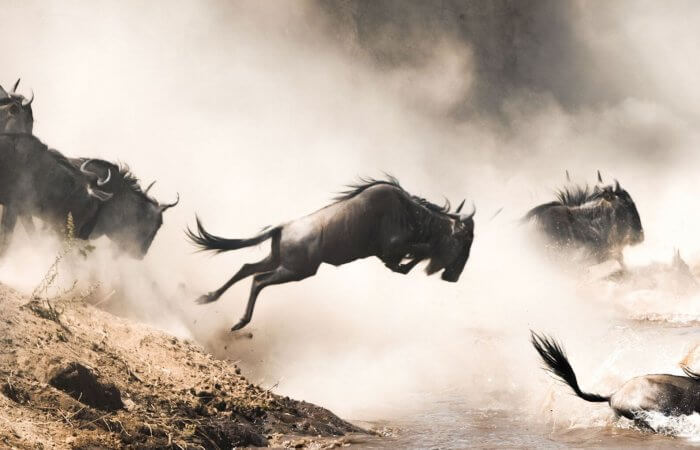
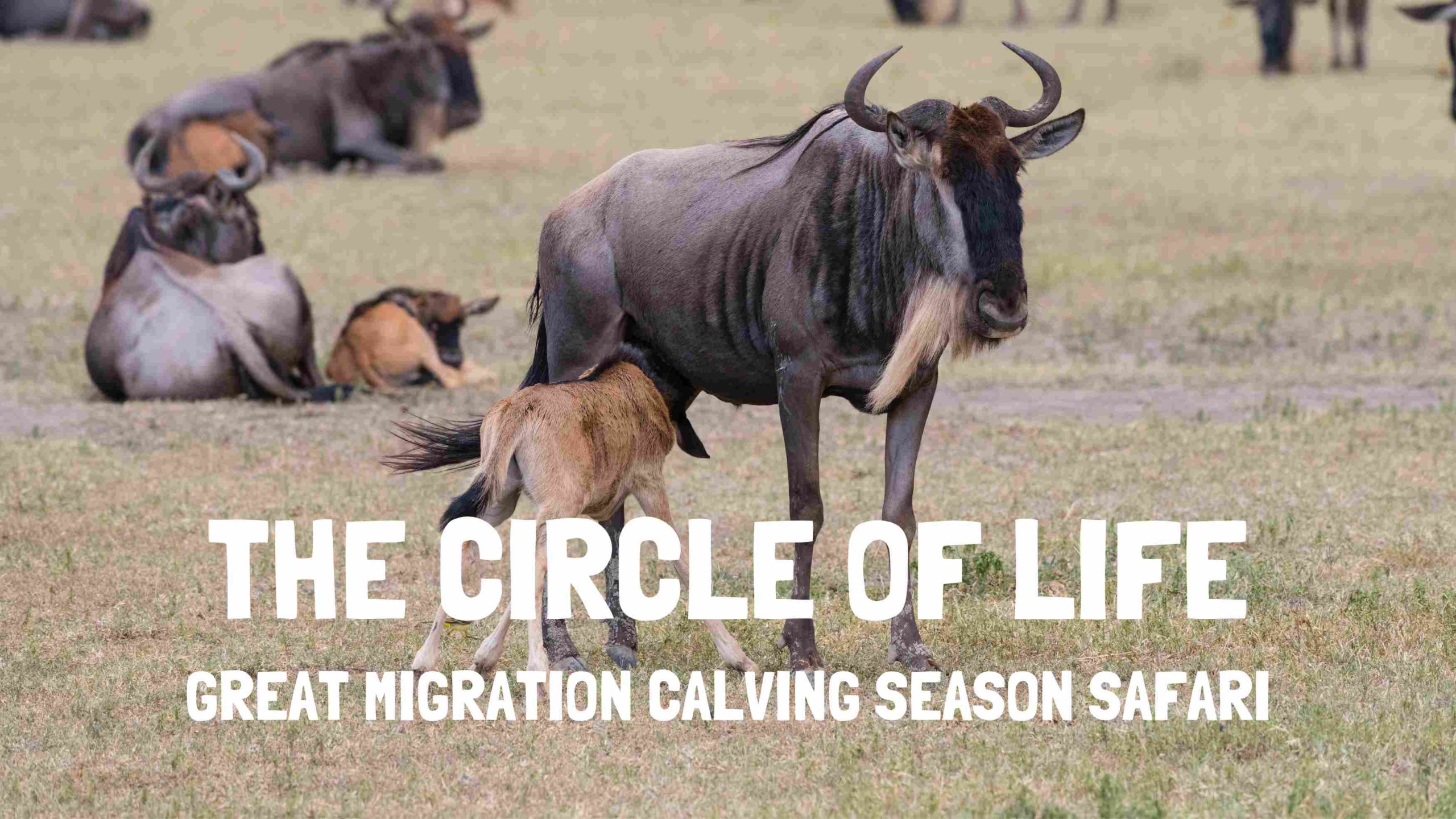
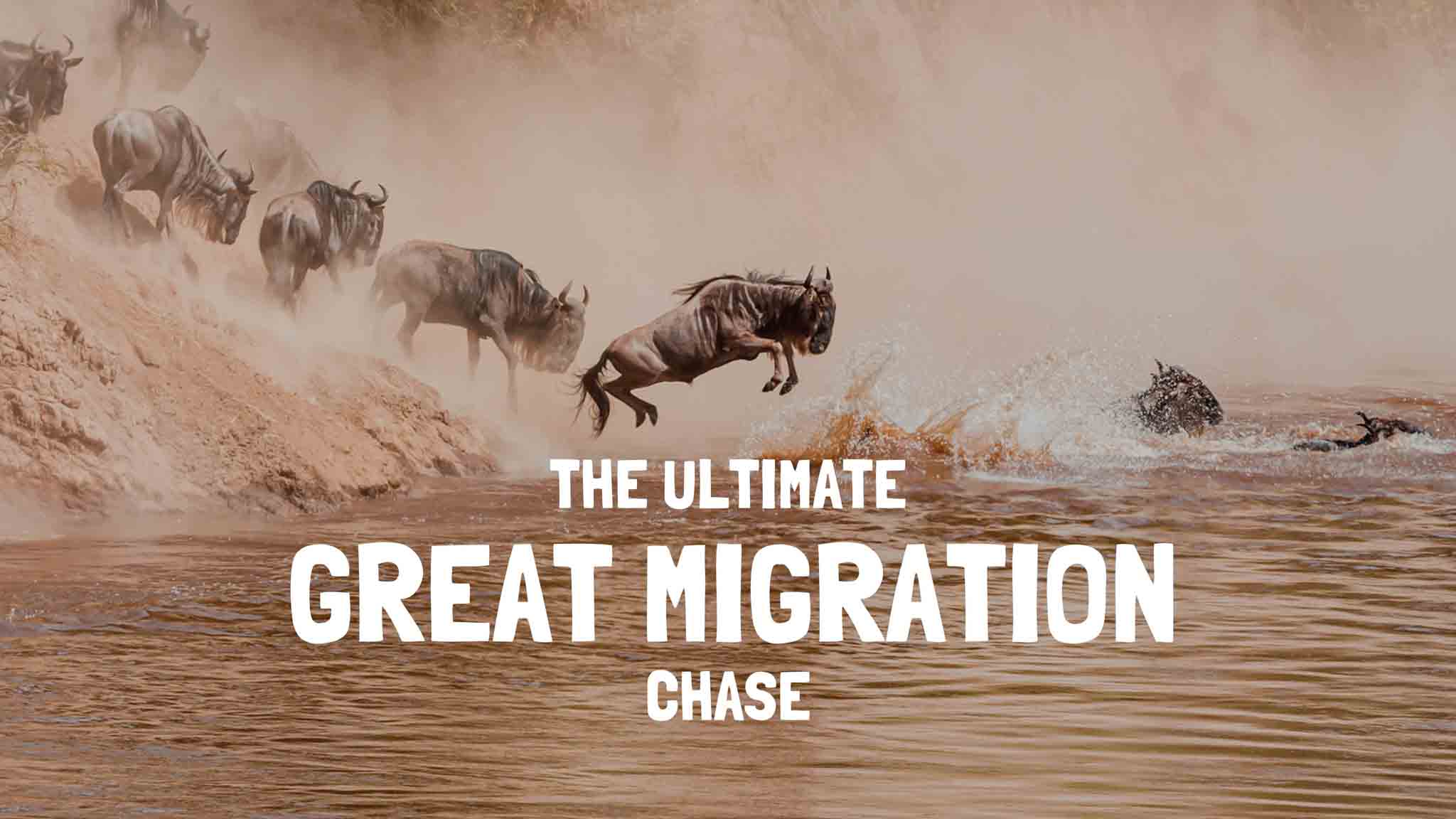
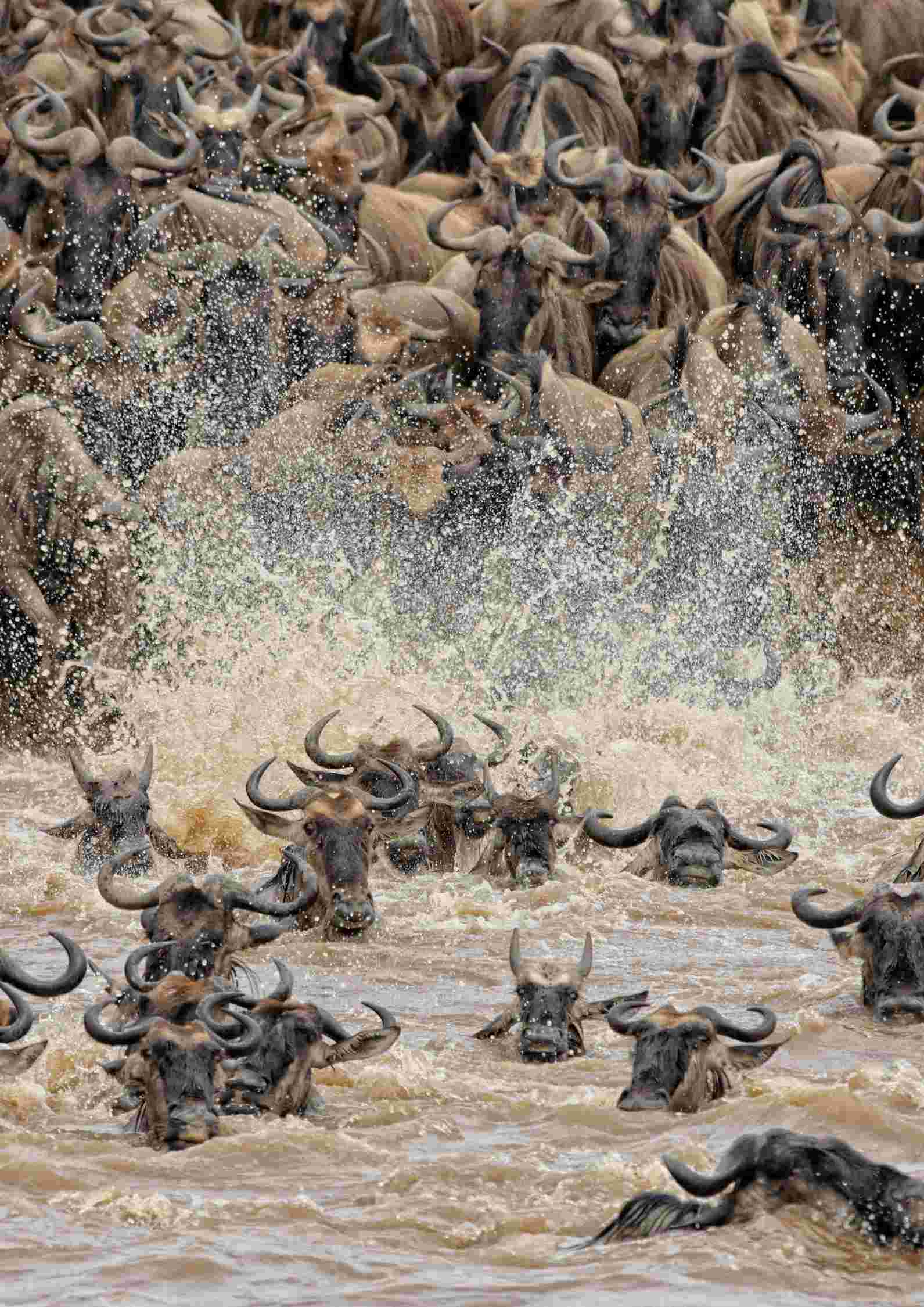
The great migration, a yearly trek of over 2 million wildebeest, is moving north through the Serengeti. Many of them have crossed the Grumeti River, but the tail end can still be seen. The famous Mara River crossings begin in late July and are one of nature’s most dramatic spectacles! As they follow the rains, they risk their lives in search of fresh grazing grounds. This makes your safari both dramatic and exciting!
Learn more about the great migration here.
In July, over 2.5 million lesser flamingos return to Lake Natron to breed. Lesser flamingos follow a circular migration pattern, instead of the classic north-to-south-and-back, across alkaline lakes in East Africa. Lake Natron is the single most important breeding site for lesser flamingos in the world, since up to 80 percent were born here. It is a wonderful thing to be able to witness!
July is one of the most popular months to climb Mount Kilimanjaro, and for good reason! Enjoy cool, dry weather ideal for climbing and witness clear skies with breathtaking views. However, July’s popularity can make your climb feel less personal. If you want a quieter, more off-the-beaten-path experience, try climbing Ol Doinyo Lengai, Mount Meru, or Mount Longido.
In Tarangire National Park offers amazing wildlife viewing as animals gather at the Tarangire River in search of water. Spot its famous massive elephants using their trunks to take a sip, or enjoy a night game drive to spot nocturnal animals like leopards and galagos!
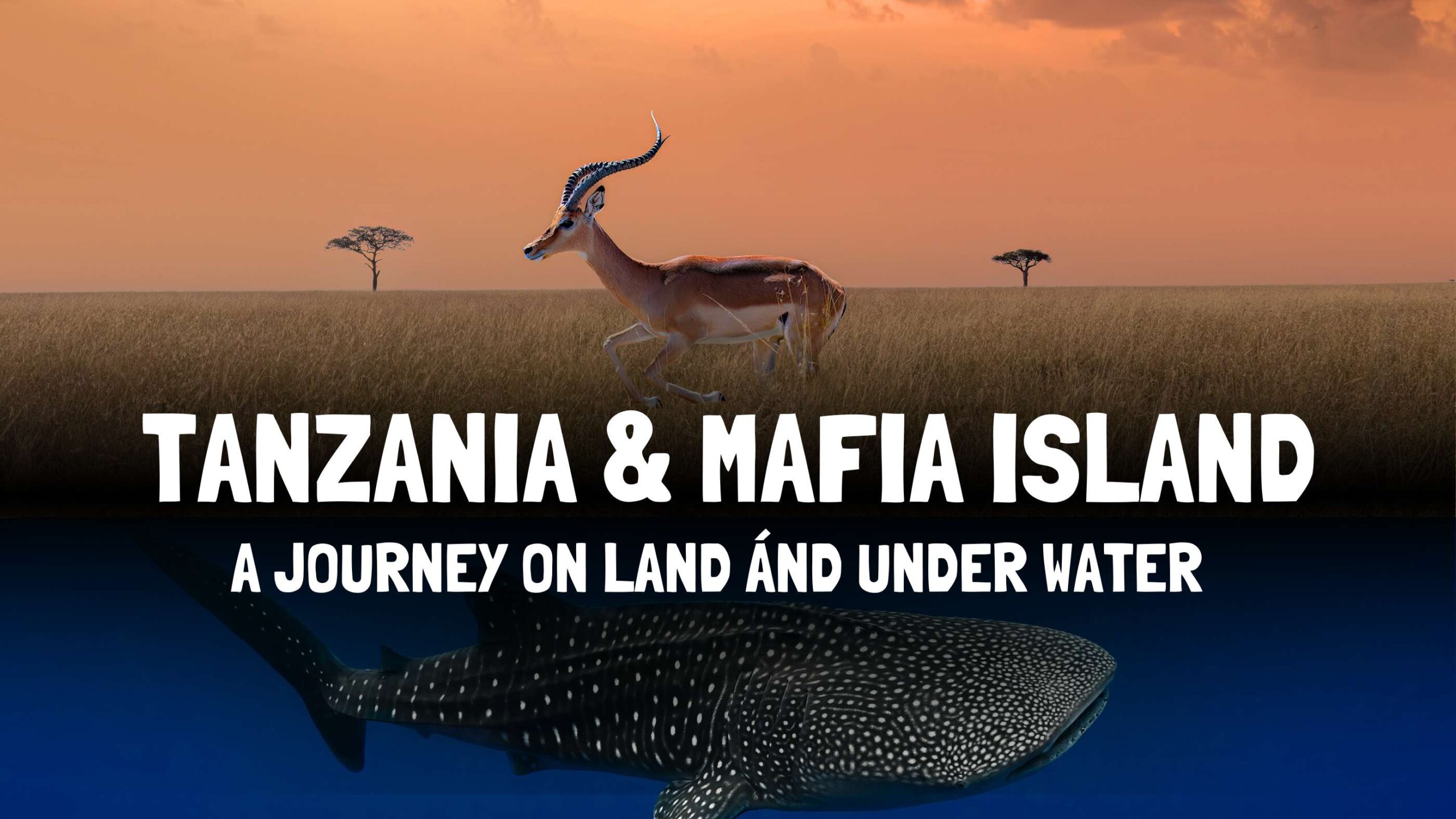
Along the coast, the dry weather and clear skies make spotting dolphins easier than in the rainy seasons. In July, you can also go humpback whale watching as they enter the channel between the mainland and the islands on their way to Antarctica. From June to August you will also be able to see baby green sea turtles hatching on the beaches of Mafia Island, which means July is perfect!
The islands offer warm and breezy weather, with great underwater visibility for diving and snorkeling. During this month, you will also be able to go wind- and kitesurfing and deep-sea fishing.
In July, Tanzania enjoys cool, dry weather with occasional strong winds, since it is part of the long dry season (June-October). It falls between the long rainy season (March-May) and the short rainy season (November-December). There is also a short dry season (January-February).
Days are sunny and mild, while mornings and evenings can be chilly. Tanzania lies in the Southern Hemisphere, which means the seasons are reversed. That means July is cooler than months like January and February.
The sky is clear, making this one of the best months for photography, mountain climbing, and stargazing.
The dry weather is perfect for safaris and outdoor activities since this means dry and fully accessible roads. The only downside to the dry landscape is that it can cause dust storms on the mainland, especially with the strong winds. However, along the coast, that means the weather is perfect for kite- and windsurfing.
The cooler temperatures also make safaris more comfortable.
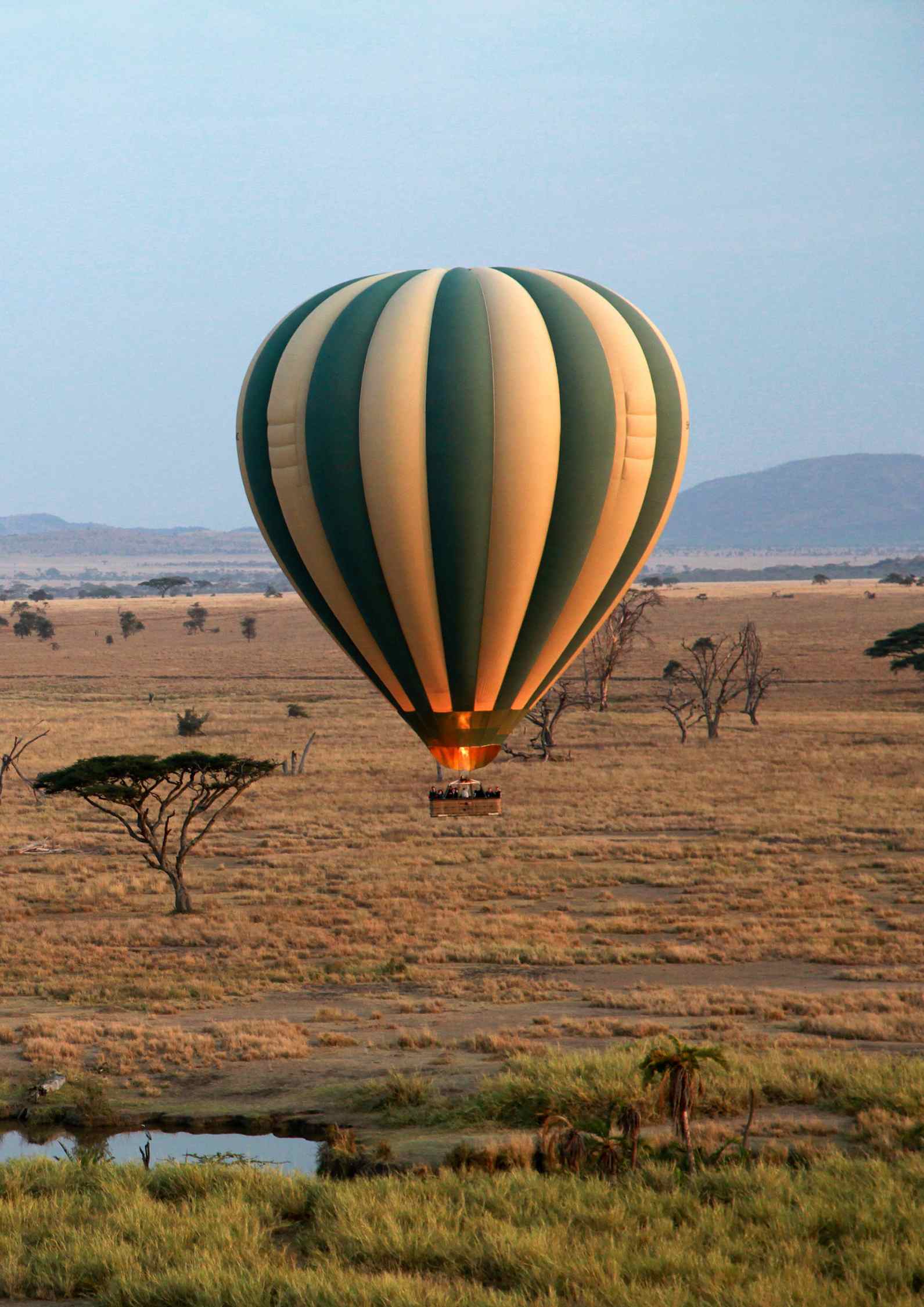
July is high season in Tanzania. The excellent weather and famous Mara River crossings attract visitors from all over the world. That means that lodges and camps fill up quickly and sites are busy. Early booking, at least six months to a year in advance, is highly recommended.
Prices are also at their highest this month, from accommodations to airplane tickets. Park fees remain the same year-round.
If you prefer a quieter experience, consider visiting more off-the-beaten-path parks like Enduimet WMA for a more personal safari.
Due to the drier weather and winds, there is an increase in dust clouds. To keep the dust out of your face during game drives, we recommend bringing a scarf or buff.
July also offers cool and sunny weather, with higher temperatures along the coast. Bring plenty of sun protection and thin, breathable clothing. We also recommend bringing a thin jacket or sweater for cold mornings, evenings, and winds.
July in Tanzania offers everything at its best with its clear skies, crisp air, and unforgettable wildlife moments. It’s the perfect month for safaris and mountain adventures, followed by relaxing days on white beaches.
Whether you’re watching the Mara River crossings with dramatic predator action or sailing into the sunset on a traditional dhow, July is when Tanzania truly shines.
Do you have questions about a safari to Tanzania? We’re happy to help! From practical tips to activity recommendations. Below, you’ll find answers to frequently asked questions to ensure a smooth and unforgettable journey.
If you can’t find your answer here, don’t hesitate to contact us directly. We’re here to assist you!