April marks the heart of the long rainy season. It is by far the greenest and most peaceful time of year. While some remote areas become harder to reach, those who travel now are rewarded with quiet parks, vibrant landscapes, and the kind of intimacy that’s hard to find during busier months.
It’s the perfect time for those who appreciate atmosphere: the sound of rain on your lodge roof, misty mornings over the crater, and sunsets through dramatic cloudscapes.

April is one of the best months for birding, with migratory and resident birds in full breeding plumage. Flamingos, pelicans, and herons are present in wetlands like Natron and Manyara. There is enough to see in April, from crowned hawk-eagles and cinnamon-chested bee-eaters to yellow-collared lovebirds and rare Beesley’s larks.
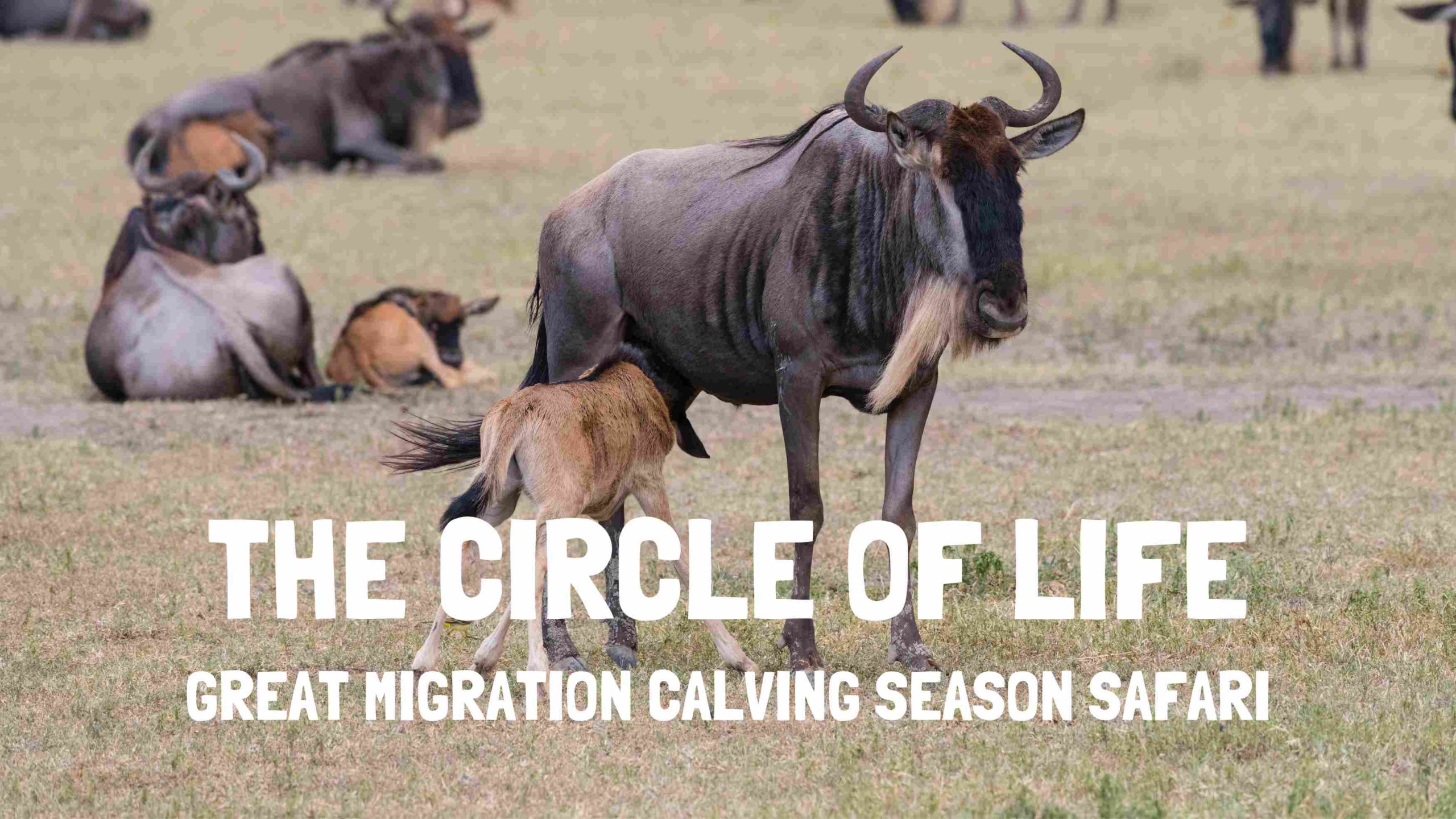
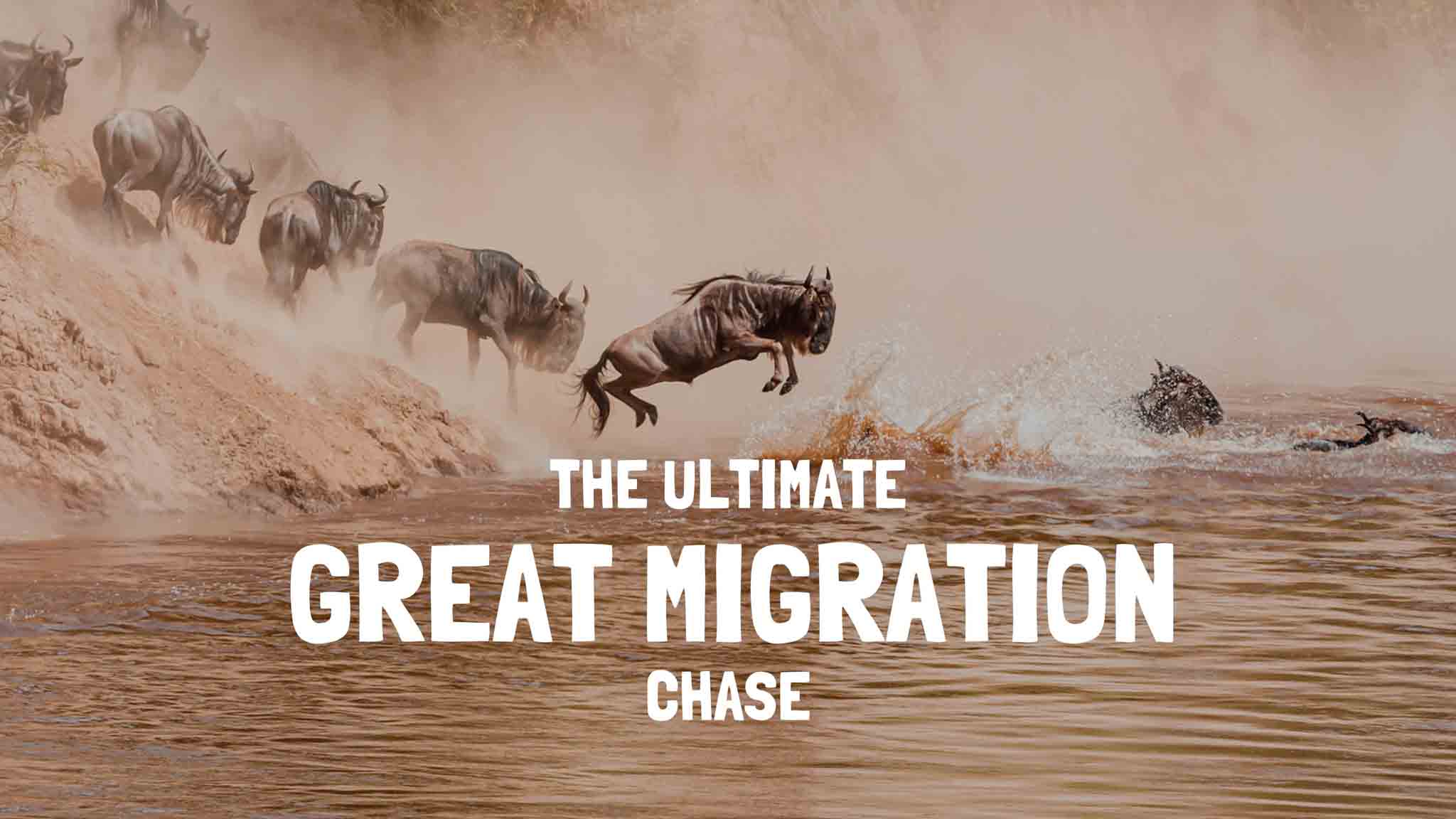
The great migration is an annual trek of over 2 million wildebeests, accompanied by zebras and gazelles, from Ndutu in the southern Serengeti to the south of Kenya and all the way back down again. In April they move through the green plains from the southern to central Serengeti. The calving season, from December till mid-March, has just ended, but there are still plenty of young calves that attract predators. Perhaps you will be able to see one of them chasing their prey.
You can learn more about the migration here.
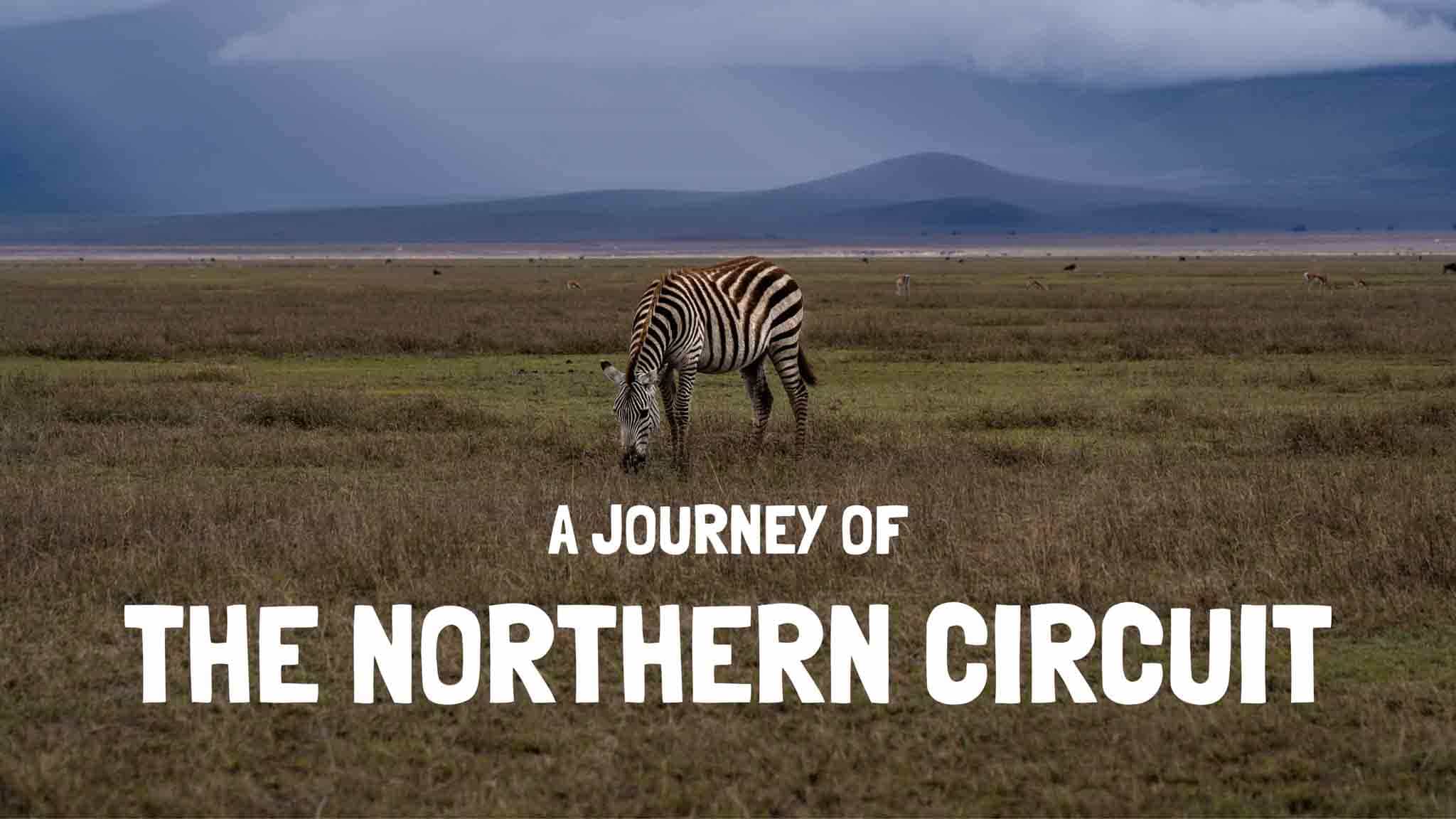
The Ngorongoro Crater is the best spot for reliable wildlife viewing during the rainy seasons due to the abundance of wildlife. The grasses also grow less high, making spotting opportunities even better.
Zanzibar, Mafia, and Pemba offer thunderstorms that clear quickly into golden sunsets. Sea turtles can be seen nesting along the coast in both April and May.
Safari Tip: Look closely, and you may see tiny tortoises, as they are active after the rains.

April is Tanzania’s wettest and most humid month and falls in the long rainy season (March-May). It falls between the long dry season (June-October) and the short dry season (January-February). Tanzania also has a short rainy season (November-December).
The weather is highly unpredictable, with heavy rainfall and sunshine alternating without any pattern. On the other hand, April is a refreshing contrast to the dry season with its thunderstorms, lush greenery, and amazing sunrises and sunsets due to the rains.
The long rainy season has temperatures ranging from 20 to 28 degrees, with generally warmer afternoons and cooler mornings and evenings.
Roads will become muddy because of the rains, and many remote paths will become inaccessible. It is likely that you will only be able to use the main roads during a safari. That does mean that spotting animals is more difficult than in the dry seasons since you will have fewer opportunities to spot them. Also because the lush greenery can hide them from view.
Spotting animals underwater is also more difficult since the visibility has decreased significantly because of the weather.
However, due to the rains, waterfalls and rivers are full. We recommend visiting the beautiful Materuni waterfalls to see them in their full glory.

April is part of Tanzania’s low season. That means fewer visitors, quieter parks, and amazing deals at top lodges. Luxury lodges offer the best discounts, as rates at mid-range accommodations stay relatively stable throughout the year. Park fees remain the same year-round. We recommend booking 6 months in advance to secure the best deals.
Some accommodations in the south temporarily close. The lodges that do stay open, like those in the north, offer a more personal and peaceful experience. Therefore, we recommend a safari to northern Tanzania.
Because of the rain, we recommend bringing a rain jacket and waterproof shoes. The weather is still warm but can cool down in the evenings. We suggest light, breathable clothing that can be layered.
The weather is still sunny from time to time, so sun protection is recommended.
The increased rainfall also means an increase in mosquitos. Wearing long sleeves and pants can help prevent bites.
If you’re seeking calm and color, April is a fantastic month to visit. April shows a softer, more intimate side of Tanzania. You might not see huge crowds of wildlife gathered around waterholes, but you’ll witness the wild in full renewal: grass shimmering with rain, birds in their finest plumage, and waterfalls tumbling through green hills.
With patience, flexibility, and a spirit of adventure, April can be one of the most beautiful and rewarding times to explore Tanzania.
Do you have questions about a safari to Tanzania? We’re happy to help! From practical tips to activity recommendations. Below, you’ll find answers to frequently asked questions to ensure a smooth and unforgettable journey.
If you can’t find your answer here, don’t hesitate to contact us directly. We’re here to assist you!