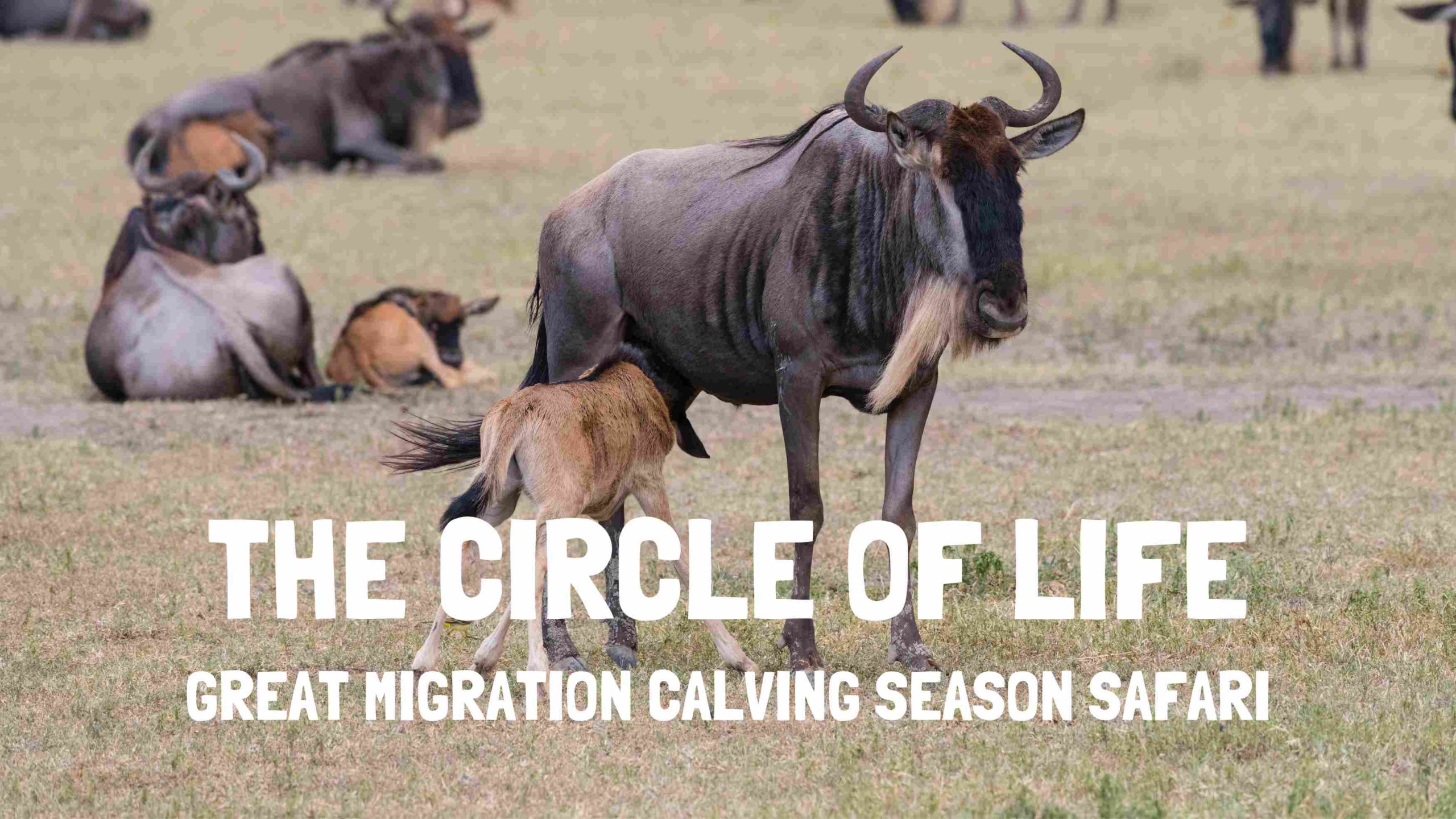
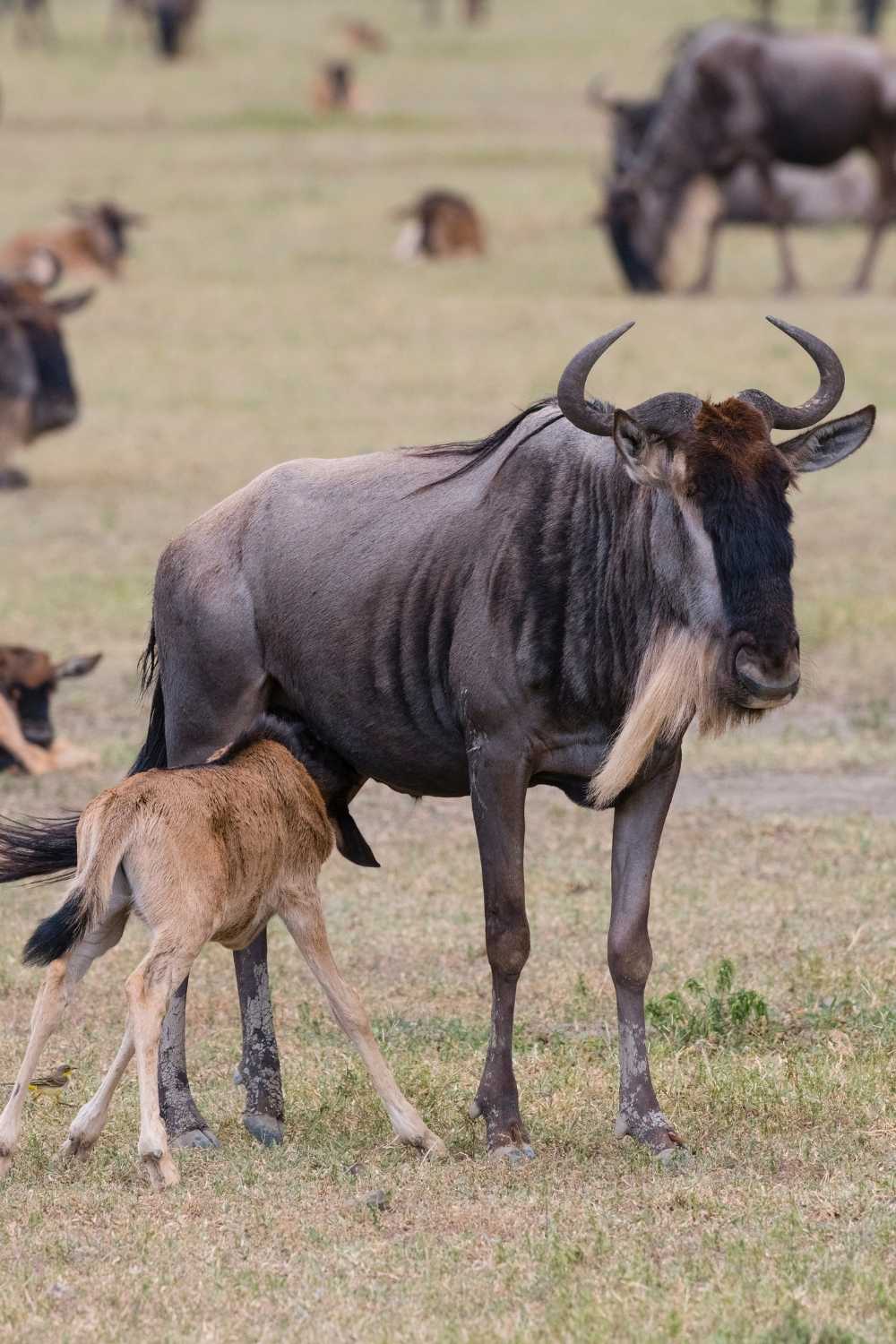
February is the heart of the calving season in the southern Serengeti. Thousands of wildebeest are born in the southern plains from December to early March, and predators are never far away. It’s also an amazing month for climbing Mount Kilimanjaro or Mount Meru, with clear skies and fewer climbers on the routes. Or you can run the Kilimanjaro Marathon, held at the end of February or the beginning of March.
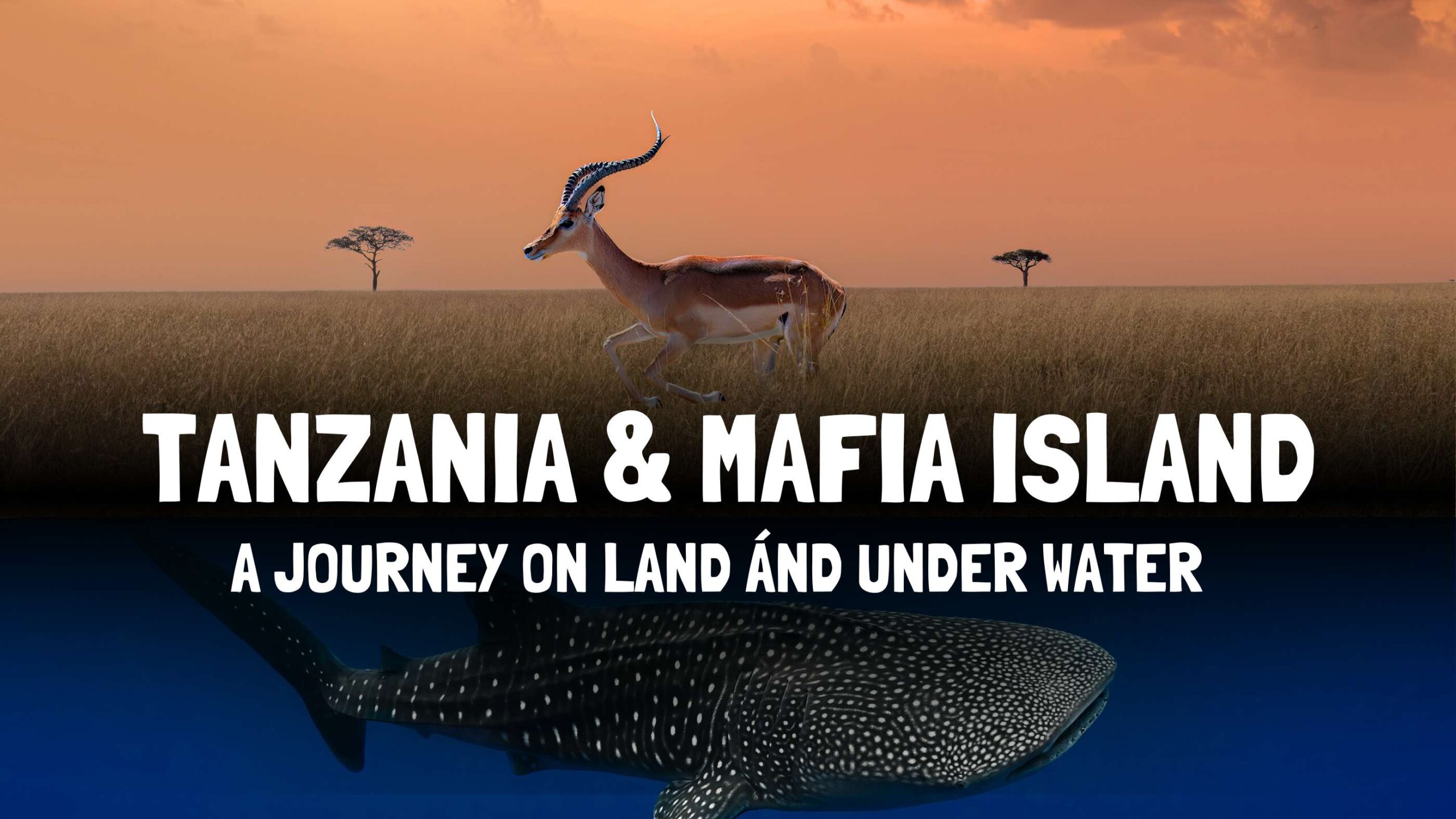
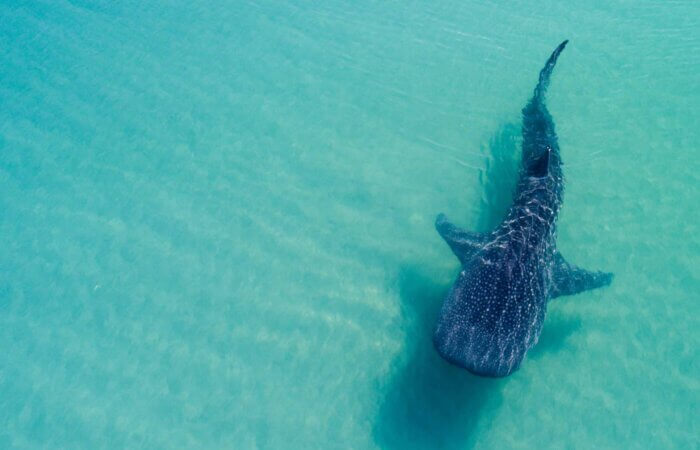
Tanzania in February is hot and dry, making it perfect for spending time on the white sand beaches of Zanzibar, Mafia, and Pemba Island. You can also snorkel with whale sharks before they leave Mafia’s waters in March.
All in all, February offers amazing opportunities for safaris, trekking, and relaxation.
With over half a million calves being born, the Ndutu area in the southern Serengeti is teeming with life. Since the migration follows the rains that bring fresh grass and water, the exact timing of the calving season may vary. Usually, it begins in December and ends in mid-March. The peak of the calving season starts mid-January and lasts all throughout February. That means you will be able to see plenty of adorable baby animals, but also exciting predator action.
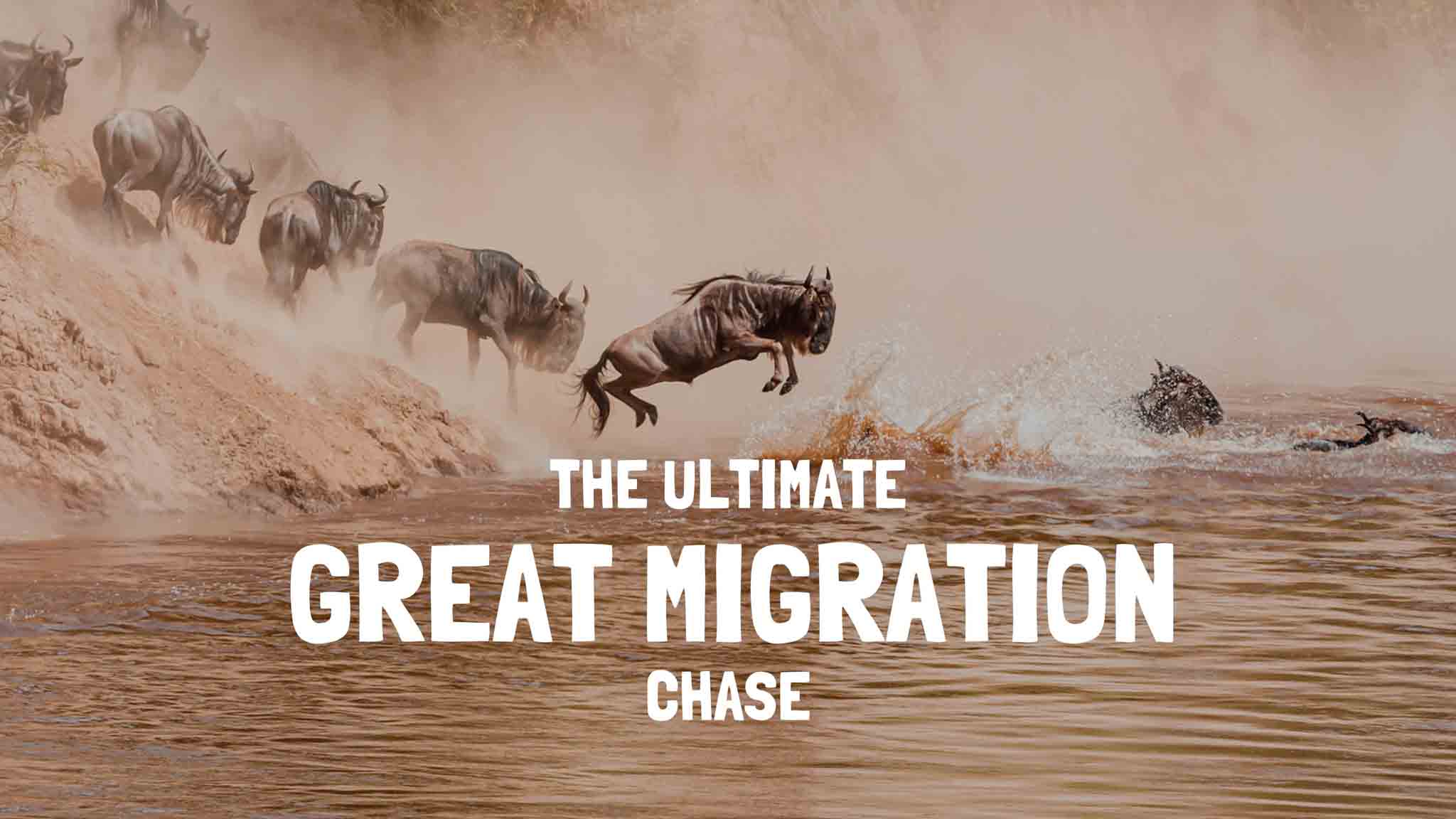
Along with over 2 million wildebeest, gazelles and zebras also join the migration from Ndutu to the Maasai Mara in southern Kenya and back. You will also be able to see their young in February. However, if you want to witness the famous Mara River crossings, it is best to visit between July and October.
You can learn more about the migration here.
With fewer climbers on the routes, warm weather, and excellent visibility before the rains begin, February is an amazing month to climb Mount Kilimanjaro. The only drawback is that trails can get slippery due to increased rainfall at the end of the month. This is why we recommend booking your climb at the beginning of February.
If you prefer running instead of trekking, you can join one of Tanzania’s most exciting annual events at the base of Africa’s tallest mountain: the Kilimanjaro Marathon. This event is usually held in February or the beginning of March and is both challenging and rewarding. People from all over the world join the full and half marathon or the 5-kilometer fun run. The Kilimanjaro Marathon also supports a number of different charities.
February is an amazing month for a beach holiday! You can spot whale sharks (and even snorkel with them!) before they continue their migration in March or enjoy the hot weather on one of the white sand beaches or sandbanks. With the phenomenal underwater visibility, February is perfect for diving or snorkeling. Spot tropical fish, corals, or even the upside-down jellyfish of the Kua Lagoon!
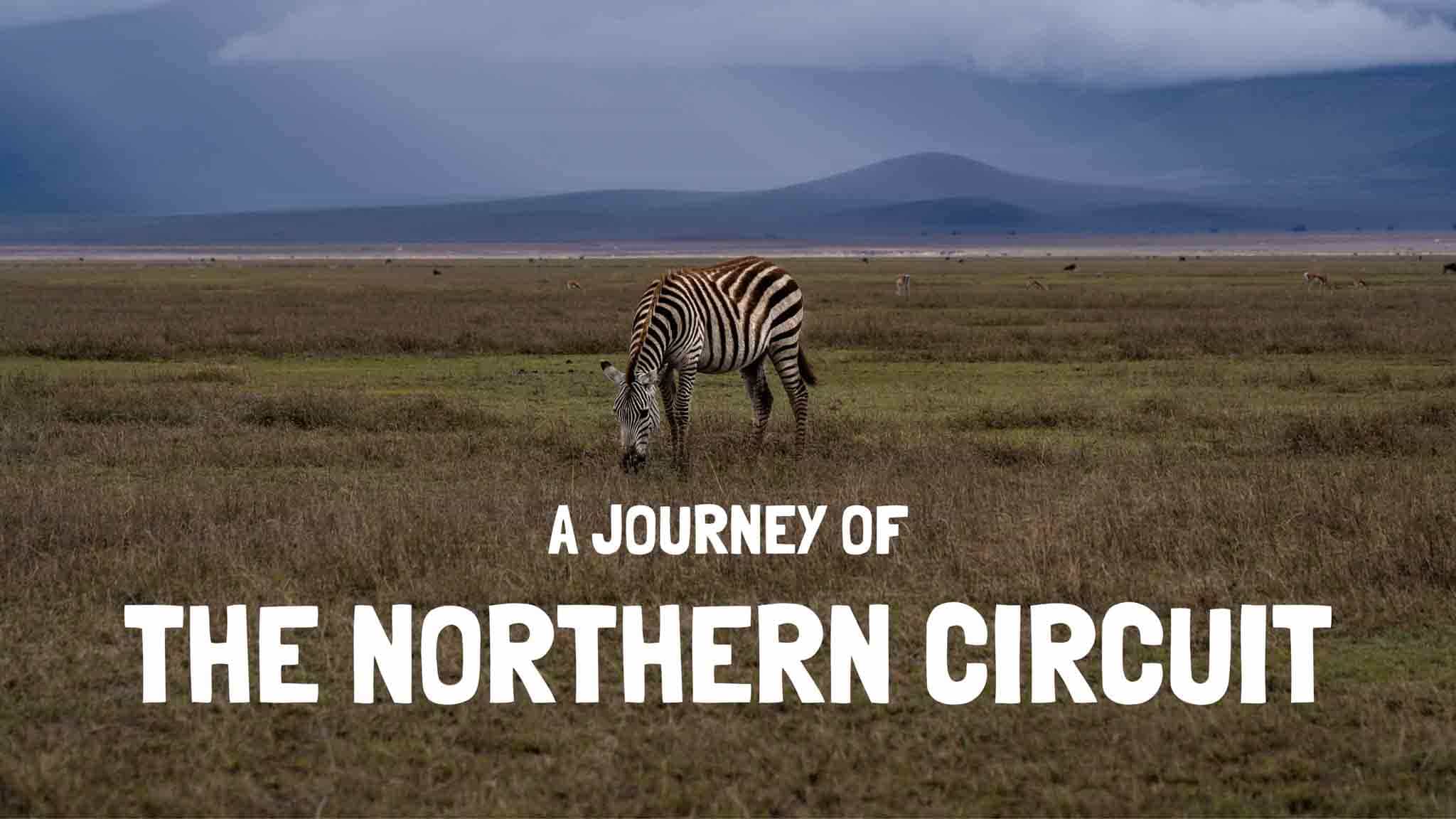
You can also go birdwatching in the Northern circuit, where both Palearctic and intra-African migrants can be spotted as they try to escape the winter or are heading for their breeding grounds. Wetland species like the greater flamingo can be spotted in the Momella lakes of Arusha National Park or Lake Manyara National Park. The Ngorongoro Crater, the largest intact caldera in the world, also offers amazing birding. Spot European white storks or rufous-tailed weavers, a species of songbird endemic to Tanzania.
February is part of the short dry season (January-February). It falls between the long rainy season (March-May) and the short rainy season (November-December). Tanzania also has a long dry season (June-October).
Since February marks the end of the short dry season, rainfall increases at the end of the month, especially in the south. Most of northern Tanzania remains dry with occasional showers in the afternoons or at night.
Tanzania lies in the Southern Hemisphere, so the seasons are reversed. This means that February is one of the hottest months of the year. Inland, you can expect warm days, and at the coast, it is hot and humid, which is ideal if you want to cool off in clear ocean waters after your safari.
The dry weather at the beginning of the month is amazing for walking safaris or a crater rim walk! These will let you experience areas like Arusha National Park and the Ngorongoro Conservation Area in a completely different way by allowing you to be closer to the beautiful flora and fauna Tanzania has to offer.
The waters around Zanzibar and Mafia have an underwater visibility of up to 30 meters, making this one of the best months for diving or snorkeling. The warm weather also makes it comfortable to swim in the evenings, in contrast to the colder weather in months like July and August.
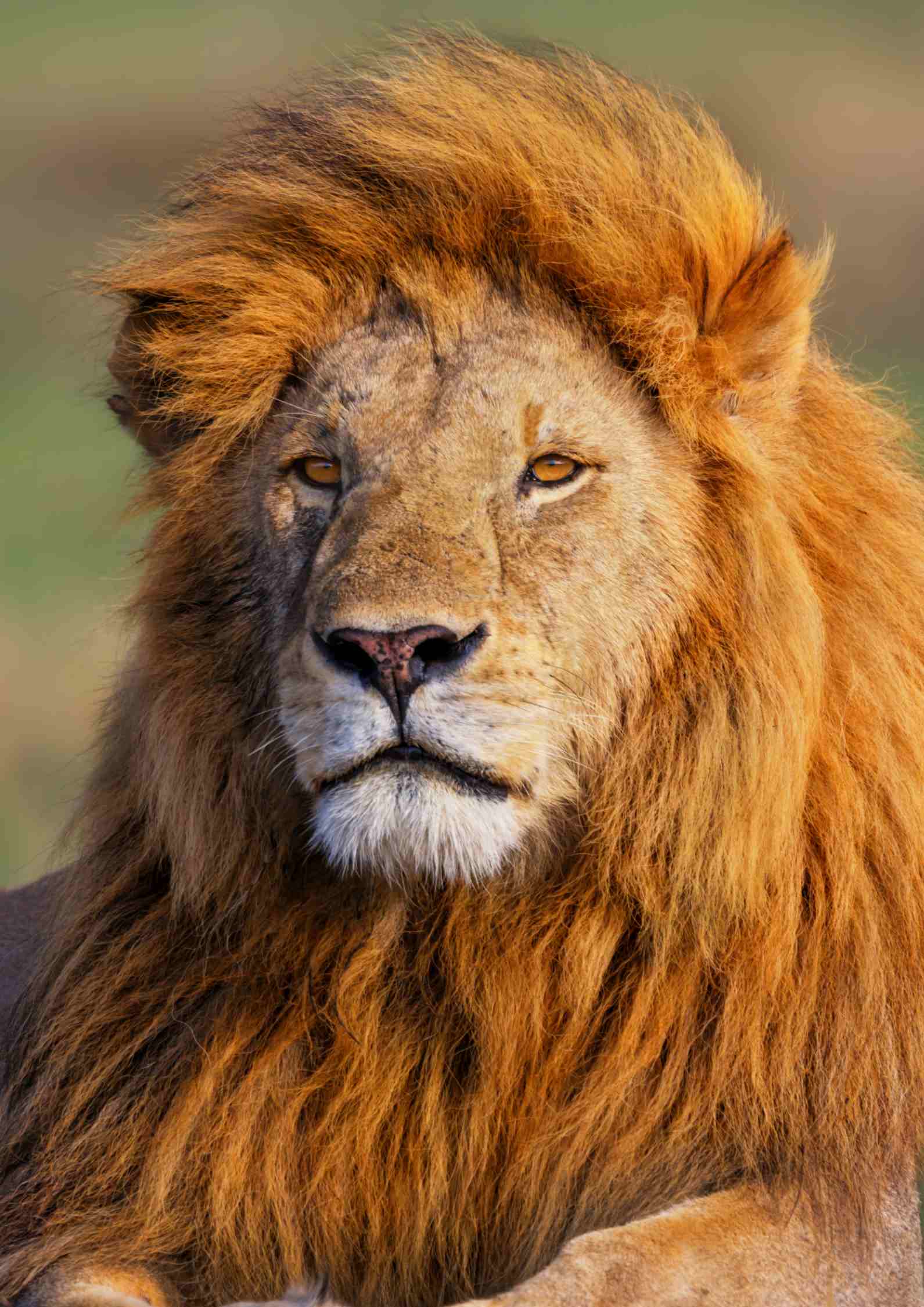
In February parks are less crowded than in peak months like July and August. This makes safaris feel more personal, and trekking Mount Kilimanjaro or Meru a quieter experience.
Prices are also lower than in the high season, which runs from June until October, especially depending on your accommodation preferences. Luxury lodges offer more attractive rates with interesting discounts. Mid-range lodges tend to keep stable prices year-round, and park fees remain the same in every season. To get the best deals, we recommend booking around 6 months in advance.
The advantage of February is an amazing balance: fewer crowds, slightly better prices, and still excellent wildlife viewing.
February is hot and humid, especially along the coast. This is why we suggest packing breathable clothing and enough sun protection for the warm weather, like hats and a high-SPF sunscreen.
We also recommend bringing a light rain jacket and water-resistant shoes for the occasional rainfall, especially later in the month.
February is one of the best months of the year to combine a safari with the beach. The drama of the calving season, excellent birding opportunities, and clear waters for diving and snorkeling make it an exciting time.
Do you have questions about a safari to Tanzania? We’re happy to help! From practical tips to activity recommendations. Below, you’ll find answers to frequently asked questions to ensure a smooth and unforgettable journey.
If you can’t find your answer here, don’t hesitate to contact us directly. We’re here to assist you!