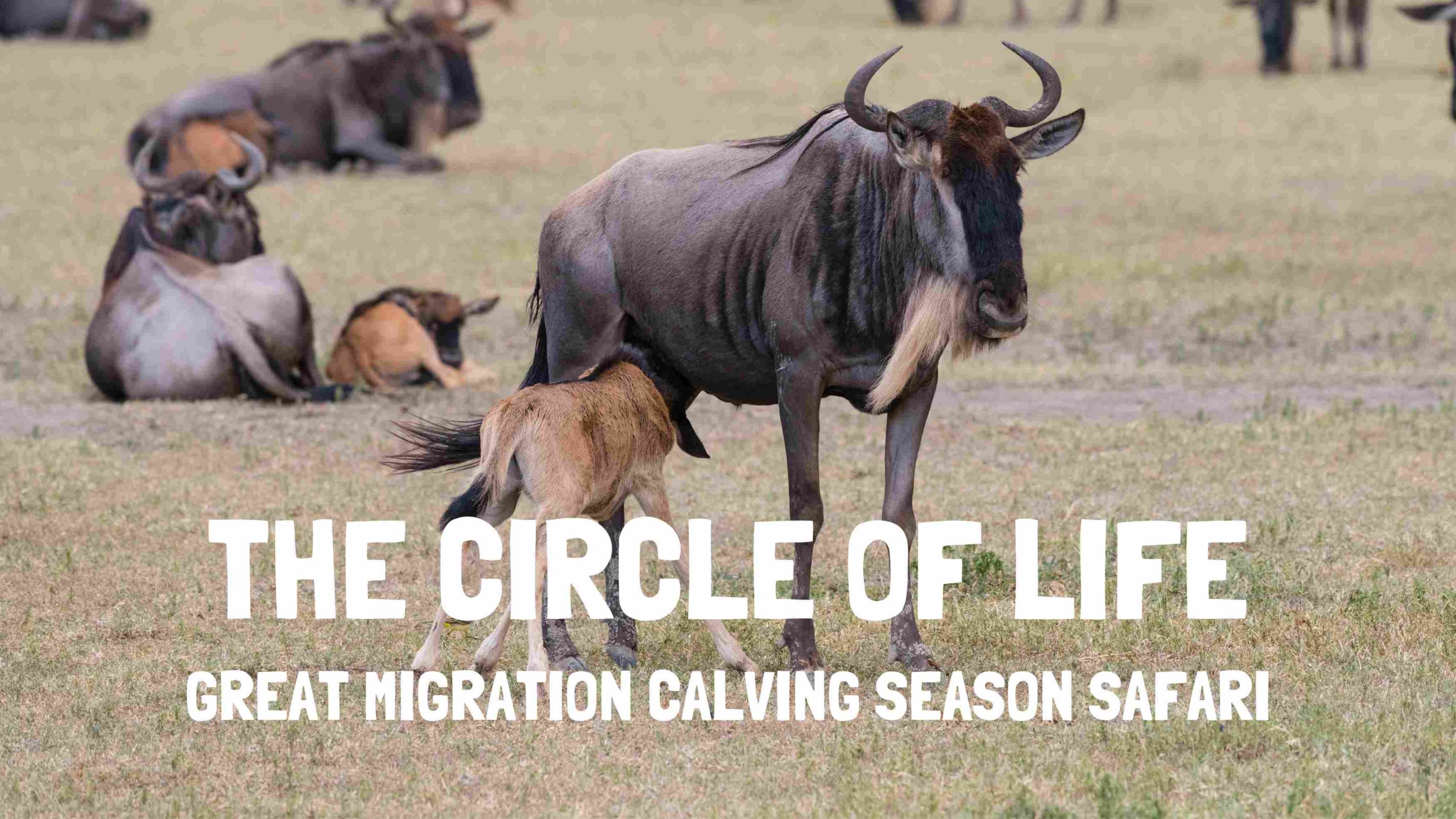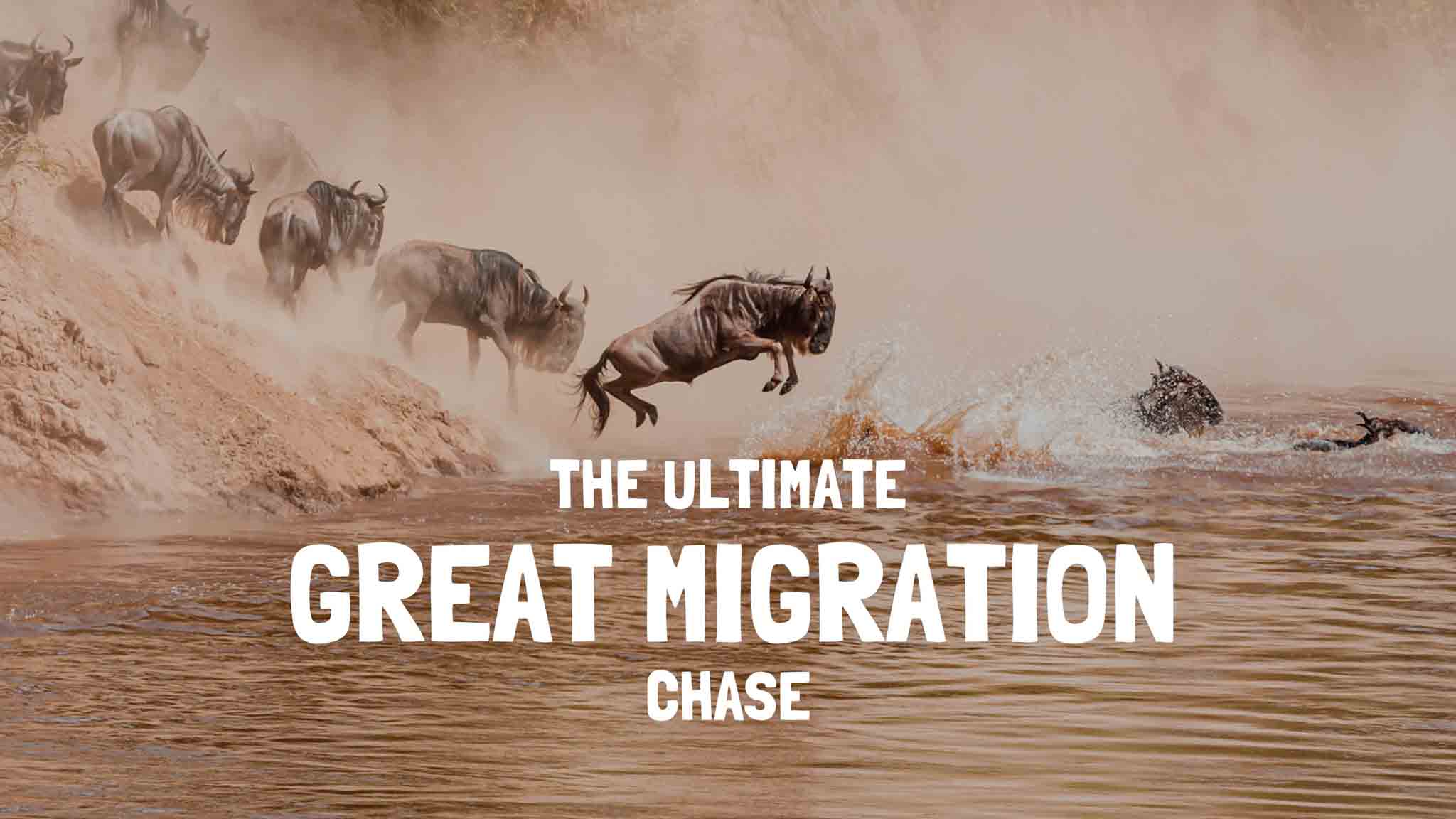
January is a special time to visit Tanzania. In the Serengeti, the Great Migration gathers in the southern plains for calving season. It begins in December and ends early March, so January is just right. Thousands of wildebeest are born during this time, and predators are close by. January boasts clear skies, perfect for climbing Mount Kilimanjaro or Mount Meru and enjoying their breathtaking views. At the coast, whale sharks can be spotted around Mafia Island, with excellent visibility for diving and snorkeling.
It is a month that perfectly combines safari highlights, active adventure, and a relaxing beach holiday.

Southern Serengeti (Ndutu) is the best area to watch the Great Migration this month with the continuation of the calving season. The great migration is the annual trek of more than 2 million wildebeests and hundreds of thousands of zebras and Thompson’s gazelles as they cross the plains from Ndutu to southern Kenya and back. The calving season is the period during the migration when they bear their young.
The calving season usually starts at the end of December and lasts until mid-March, with the peak being from mid-January until the end of February. However, the exact timings may vary since the herds follow the rains, which bring fresh grasses but can also be unpredictable. The newborns attract predators like lions and cheetahs, which lead to dramatic chases. You can even watch them from above with a hot air balloon safari!
Learn more about the migration here.
The Ngorongoro Conservation Area, the largest intact caldera on earth, offers excellent wildlife viewing year-round because it also contains one of the highest concentrations of wildlife in the world. This is due to water and food being available all throughout the year. You can also spice up your visit with a crater rim walk to enjoy the amazing views this UNESCO site has to offer.
January boasts clear skies to make the view during your Kilimanjaro trek truly spectacular! Its warm weather and low rainfall make January one of the best months to climb, in contrast with the rainy season when tracks can be slippery. While the beginning of the month can be busy due to the holidays, near the end Kili offers more personal trekking. If you prefer a more off-the-beaten-track experience, you can also try your feet at Mount Meru or Ol Doinyo Lengai.
Zanzibar, Pemba, and Mafia Island are perfect for a beach getaway! With its warm weather and amazing underwater visibility (up to 30 meters!), January is beach holiday heaven. Mafia Island also offers whale shark encounters. These gentle giants arrive in Mafia in September and leave in March, attracted by the plankton-rich waters. During this time it’s also possible to snorkel with them!
You can also spot flamingos in alkaline and soda lakes. The greater flamingo can be found in Lake Manyara and the Momella lakes in Arusha National Park. Lake Natron and soda lakes in the Ngorongoro Crater, like Lake Magadi, are home to the lesser flamingo, a smaller but generally pinker species. Flamingos are migratory birds, and from November until May, Lake Magadi attracts hundreds of thousands of them. They come here to feed on the high concentrations of algae caused by the rains. It’s truly spectacular to witness the lakes turning pink with their presence!

January falls in the short dry season (January-February) and is in between the short rainy season (November-December) and the long rainy season (March-May). There is also a long dry season that starts in June and ends in October.
January is hot and dry, with temperatures between 25 and 35 degrees Celsius. This is because the seasons are reversed since Tanzania lies in the Southern Hemisphere, meaning that the winter months are warm and sunny and the summer months are cooler.
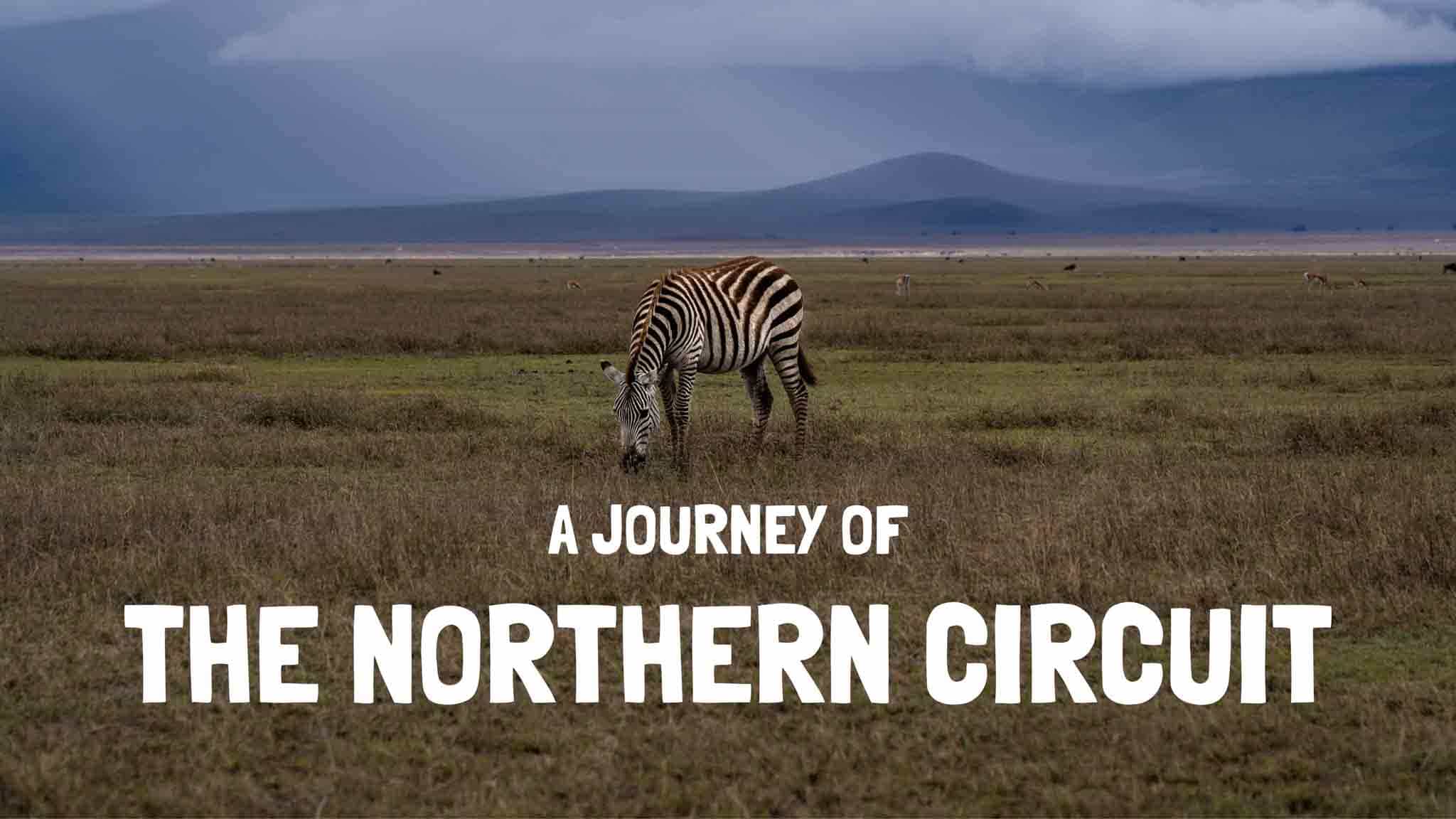
The landscape can still be green from the rain in the previous months, but since the timing of the rains is becoming increasingly unpredictable, the grasses may already have dried out.
Temperatures are warm across the country, which is coupled with a higher level of humidity. However, on the coast it is the hottest.
January is an amazing month to go on safari. As the landscape dries out, spotting animals will become easier. Especially compared to the rainy seasons, as the lush greenery can hide them from view.
The high underwater visibility is perfect for diving and snorkeling. Around July and August, Arusha averages around 23°C. Luckily, in January, you can still enjoy a swim even in the evenings due to the warm weather. On Zanzibar and along the rest of the coast, swimming is possible year-round.

Due to the Christmas holidays, the first half of January is one of the most popular times of the year to visit Tanzania. Lodge and flight prices are therefore higher.
From mid-January onward, parks become less crowded. This will make your safari feel more personal, with the perk that lodges often have more availability and better pricing. This is especially true for luxury lodges since they lower their prices significantly during low season as opposed to mid-range accommodations that tend to keep the same rates throughout the year. Please do keep in mind that park fees stay the same year-round.
We recommend booking your trip at least six months in advance to secure the best deals and lodges.
January is hot and humid, especially along the coast. Therefore, we recommend wearing thin, breathable clothing and bringing plenty of sun protection, like hats and a high-SPF sunscreen.
We also suggest bringing a light rain jacket for the occasional shower.
January offers safari drama in the Serengeti with calving season, excellent trekking opportunities on Kilimanjaro, and one of the best months for diving. It’s a great month to combine adventure and relaxation.
Do you have questions about a safari to Tanzania? We’re happy to help! From practical tips to activity recommendations. Below, you’ll find answers to frequently asked questions to ensure a smooth and unforgettable journey.
If you can’t find your answer here, don’t hesitate to contact us directly. We’re here to assist you!