May is part of the long rainy season and brings lush vegetation, dramatic skies, and a slower, more relaxed rhythm of travel. The fresh grass attracts herds, and where there are grazers, predators are never far behind. It’s also one of the best months for birdwatching, with both migratory and resident birds.
In May, you’ll enjoy quieter parks, excellent photography opportunities, and potentially great deals at top lodges. May is a wonderful choice for travelers who value space, color, and calm.

Spot both migratory and resident bird species
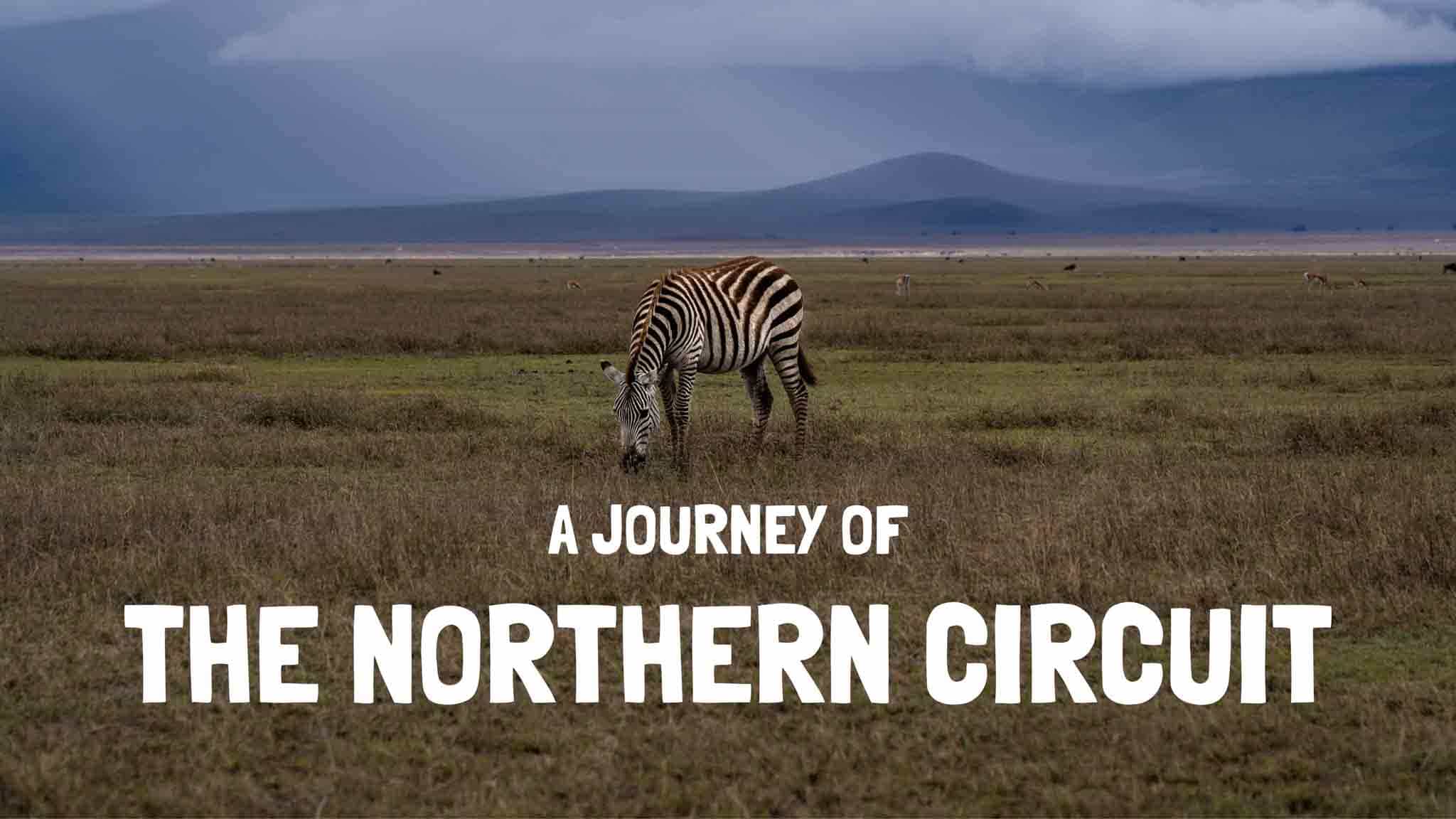
Enjoy amazing photography opportunities with beautiful green landscapes and quiet parks
Get the opportunity to spot sea turtles nesting along the coast
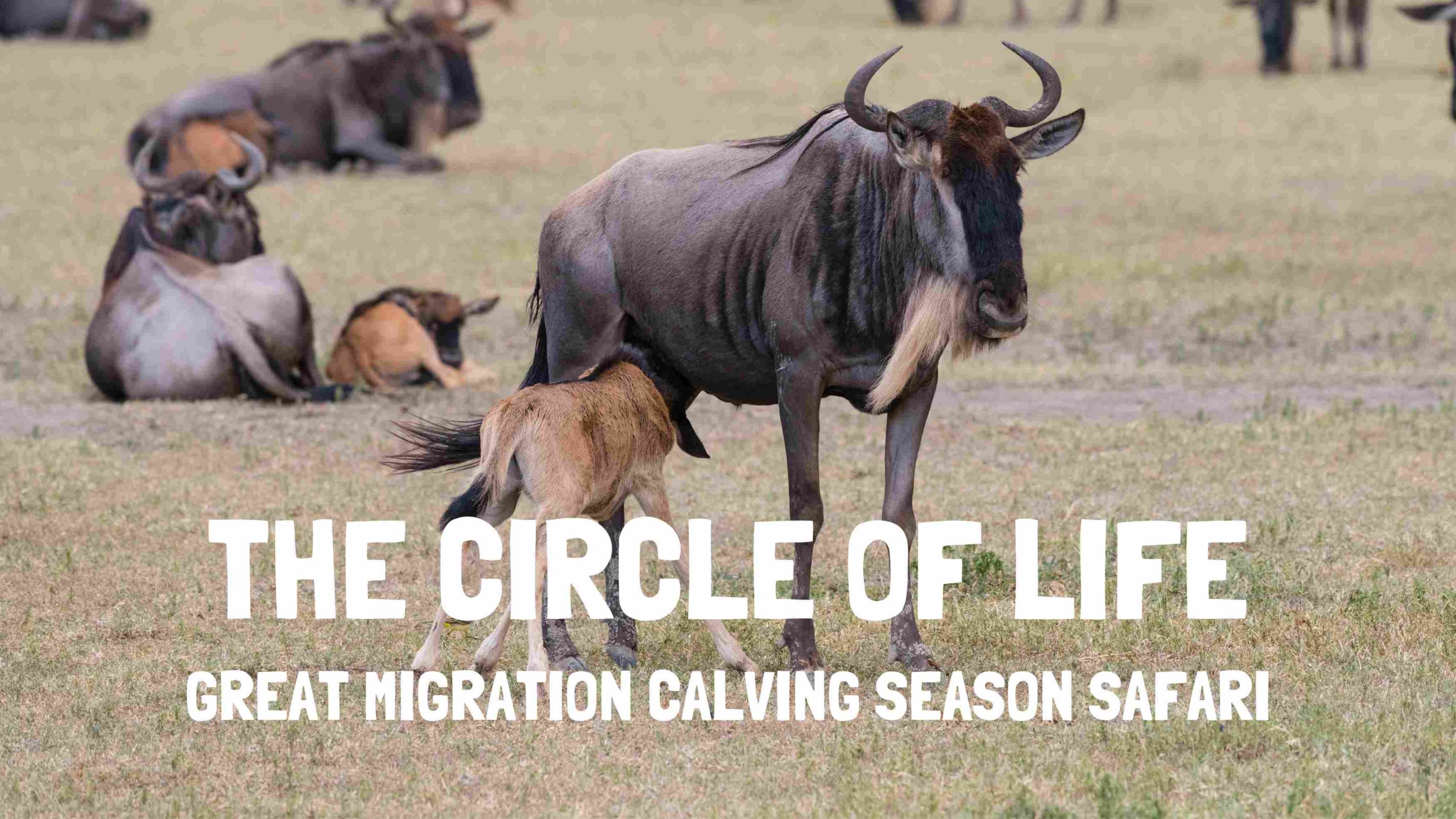
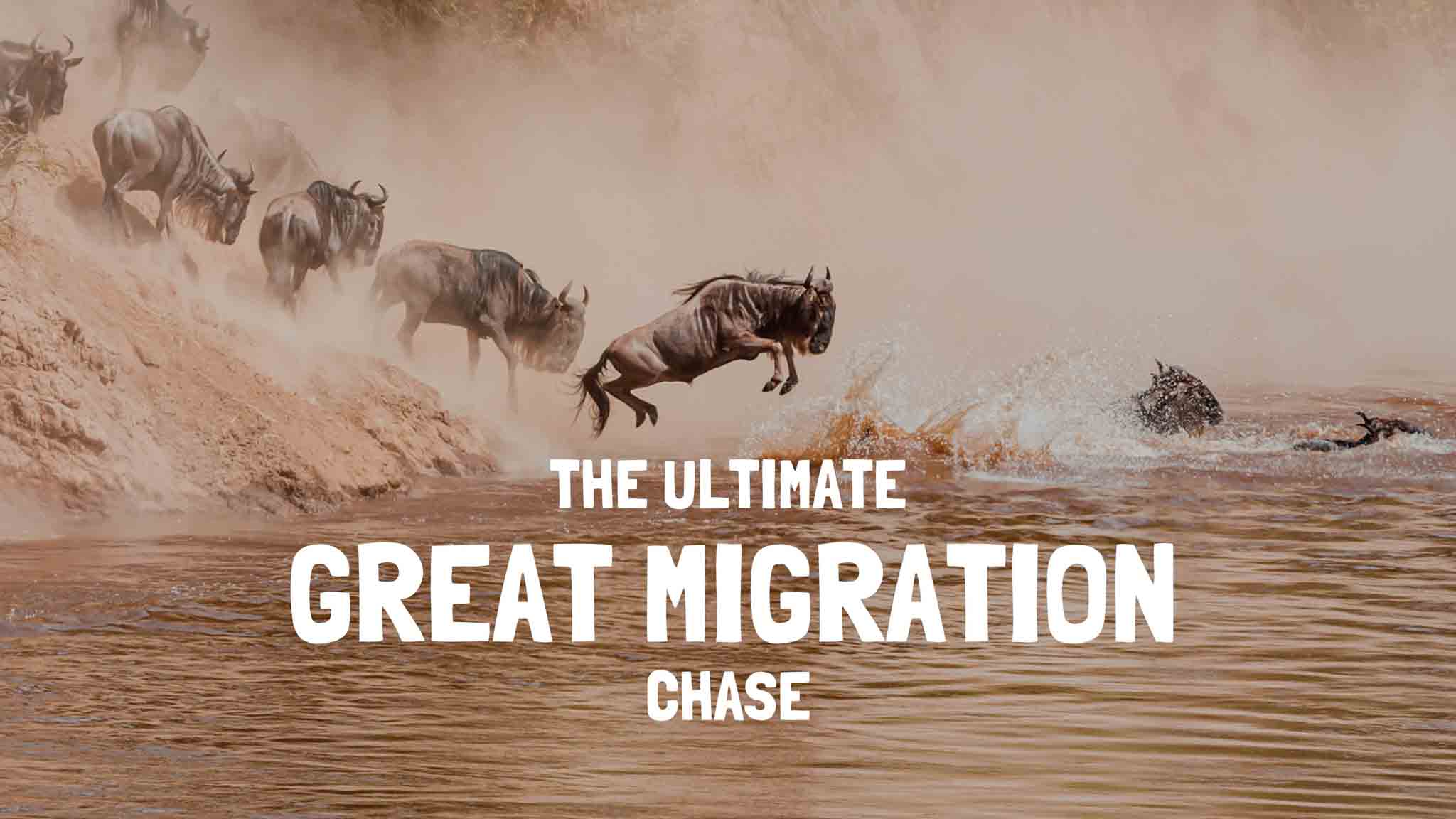
Over 2 million wildebeest move from the southern Serengeti all the way to the Maasai Mara in the south of Kenya and back down again every year. This is known as the great migration, and in May it moves towards the central and western plains of the Serengeti. Predators follow the herds, providing exciting game viewing opportunities. May also marks the start of the rutting season, a.k.a. the mating season. Males can be seen clashing their horns in dramatic battles for dominance as they compete for the attention of the females.
You can learn more about the migration here.
May is a good month for birdwatching. Migratory species end their nesting season and prepare to fly back to Europe, Asia, and Northern Africa. Of course you can also spot resident birds. Tanzania is home to over a thousand bird species, 29 of which are endemic. Will you spot the Pemba scops-owl or the Tanzanian red-billed hornbill?
Along the coast, sea turtles can be seen nesting in April and May. Zanzibar, Mafia, and Pemba Island also offer dramatic rain showers, warm ocean waters, and golden sunsets. You can spice up your stay with an island tour or spice farm tour, or you can explore Stone Town!
The Ngorongoro Crater is the best place for wildlife spotting during the rainy seasons. This is due to the vegetation growing less abundant and to the high density of wildlife.
Safari tip: Tortoises are active after the rains. Have fun spotting them!

In May, the rains continue but will become less intense than in April, especially toward the end of the month. You can expect warm, humid days and cooler mornings and evenings as temperatures range between 20 and 28 degrees in the long rainy season (March-May). This season lies between the short dry season (January-February) and the long dry season (June-October). There is also a short rainy season from November till December.
The weather in May is unpredictable. Without a pattern, rain and sunshine alternate. The abundance of water does mean that the landscape is beautiful, lush, and green.
Thanks to recent rains, waterfalls, like the Materuni waterfalls, and rivers are full, and the bush transforms into a lush paradise.
Since unpaved roads become muddy after the rains, many remote roads will become inaccessible. This means that you might be confined to the main roads during your safari, which gives you fewer opportunities to spot wildlife.
Another factor is the increased greenery. While offering amazing contrasts for photography, it does mean that wildlife will be more difficult to spot.
Underwater visibility also decreases with runoff from the islands clouding your vision. That being said, diving is still possible in May. The ocean is a bit rougher, but ocean temperatures are warm and sites are less crowded.

May falls in Tanzania’s low season, which means that there will be fewer visitors. Northern lodges remain mostly open, while some southern lodges close temporarily. Those that stay open often offer more personal service, making it a rewarding and less expensive time to travel if you don’t mind a bit of rain.
That is also because luxury lodges tend to offer amazing discounts. Mid-range accommodations generally have the same pricing year-round. Please keep in mind that park fees remain the same throughout the year.
We recommend booking 6 months in advance to secure the best deals at top lodges.
We recommend bringing light and breathable clothing that can be layered, since the weather is warm but can be cooler in the mornings and evenings. We also suggest rain jackets and waterproof or resistant footwear.
The rainfall also means there will be more mosquitos. To help prevent bites, we recommend wearing long sleeves and pants.
Also bring sun protection, like a hat, because the sun still shines in May.
May is perfect for travelers who love lush green scenery, quiet safaris, and intimate experiences. While a little flexibility might be needed, you’ll be rewarded with vivid landscapes, colorful birdlife, and excellent photography opportunities. As the rains start to fade and the dry season nears, Tanzania in May offers a calm and deeply beautiful escape.
Do you have questions about a safari to Tanzania? We’re happy to help! From practical tips to activity recommendations. Below, you’ll find answers to frequently asked questions to ensure a smooth and unforgettable journey.
If you can’t find your answer here, don’t hesitate to contact us directly. We’re here to assist you!