September is one of the most rewarding months to visit Tanzania. Whether you’re witnessing the Mara River crossings, trekking Mount Kilimanjaro under clear skies, or relaxing by turquoise island waters, September captures Tanzania at its very best.
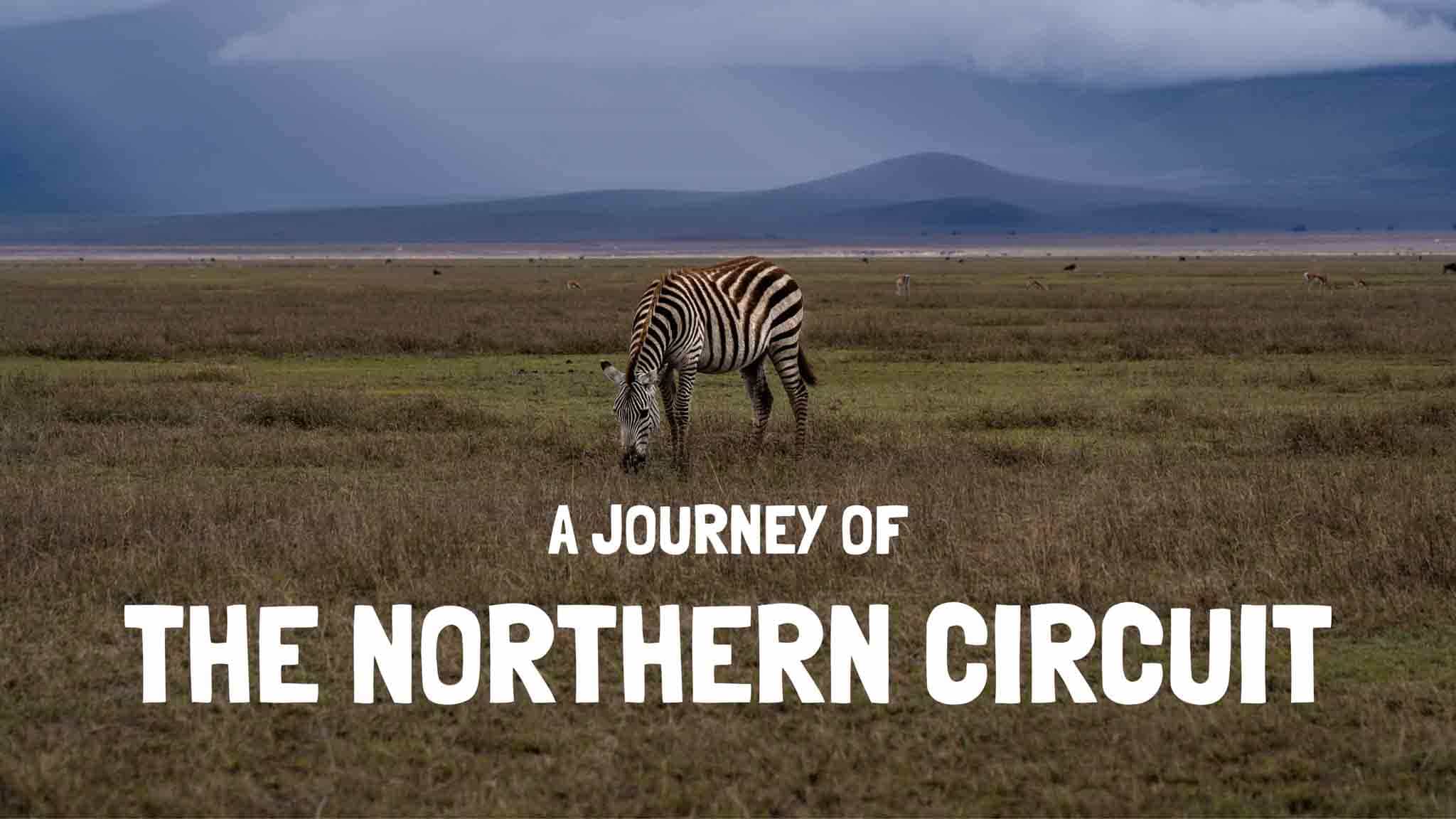
September offers the ideal balance of weather and wildlife. It’s part of the long dry season, so the vegetation remains sparse, and animals gather around permanent water sources, creating exceptional game-viewing conditions.
It’s a wonderful time to mix adventure and relaxation: climb Kilimanjaro, explore the Serengeti, and finish your trip on Zanzibar’s beaches!
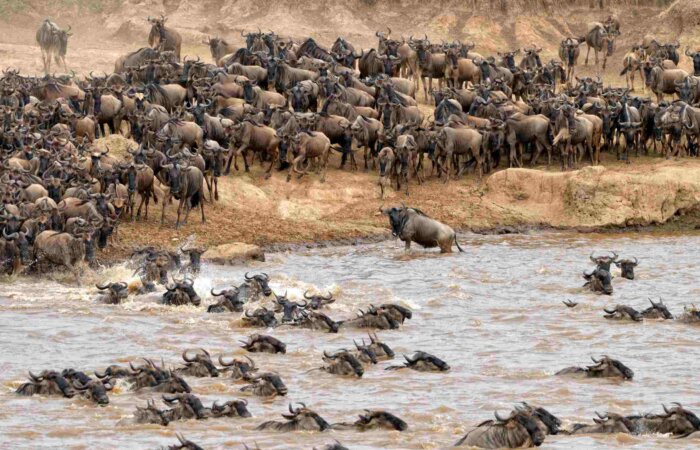
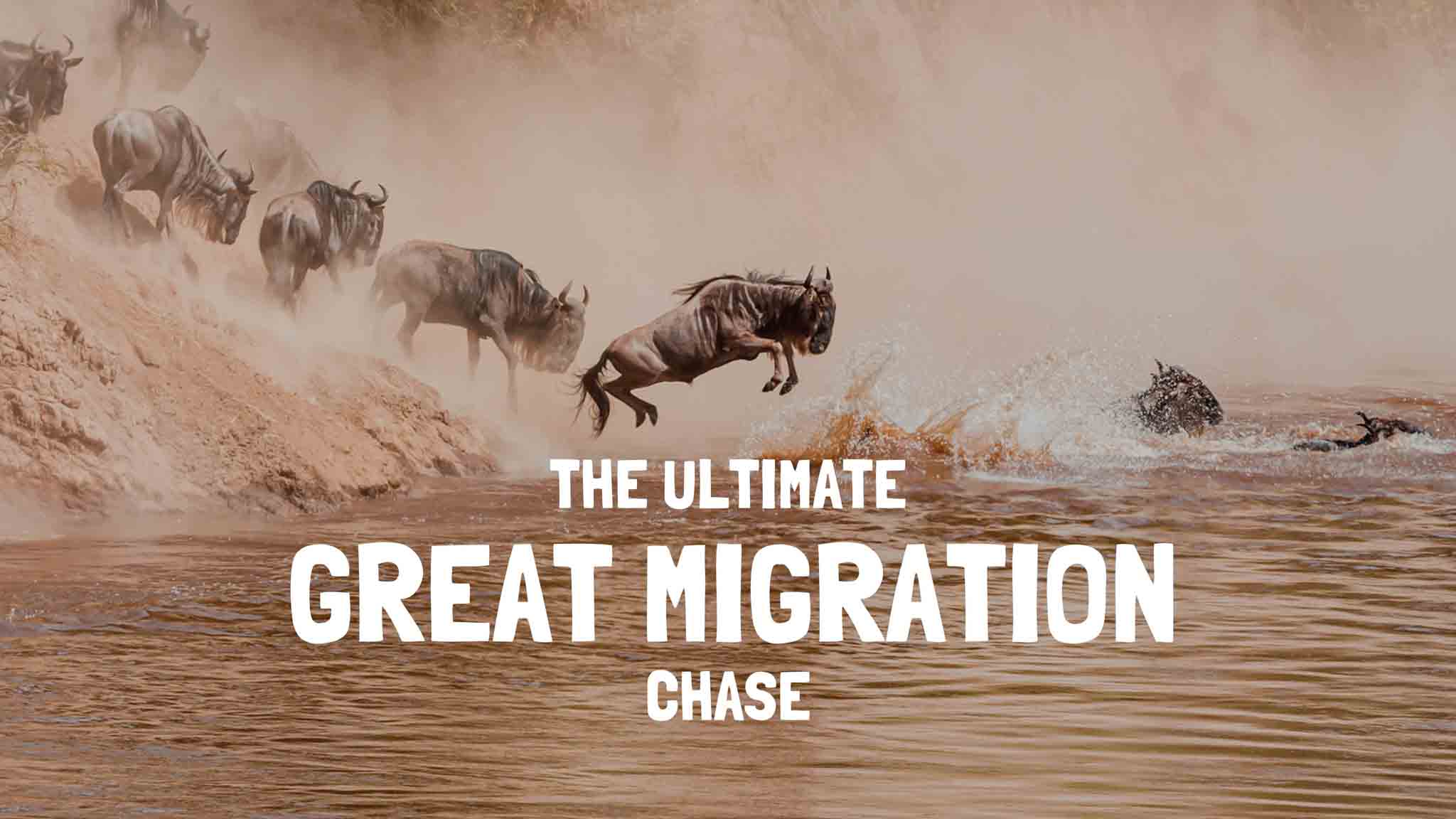
With the great migration in the northern Serengeti, it’s possible to see the famous Mara River crossings with incredible predator action.
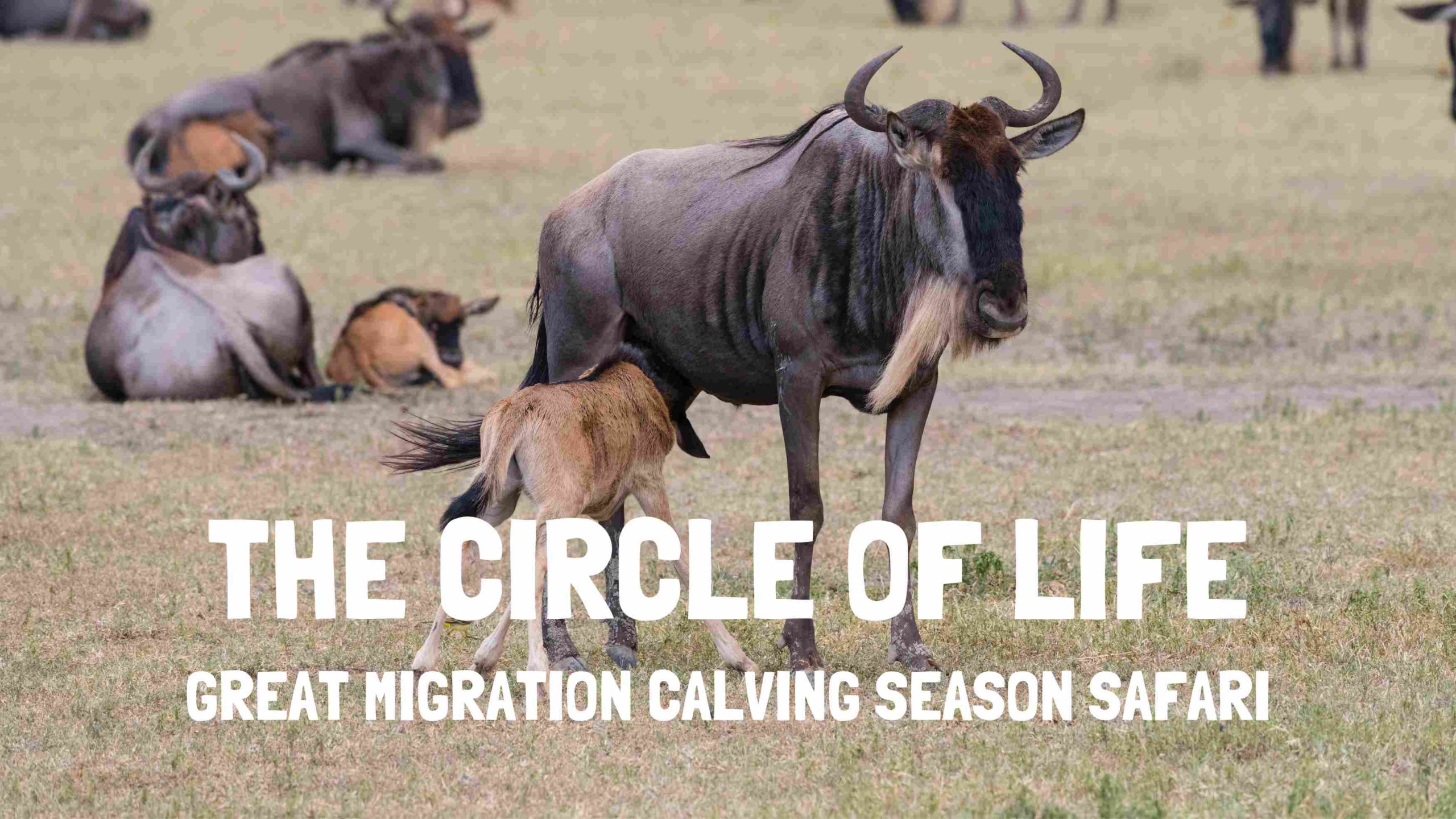
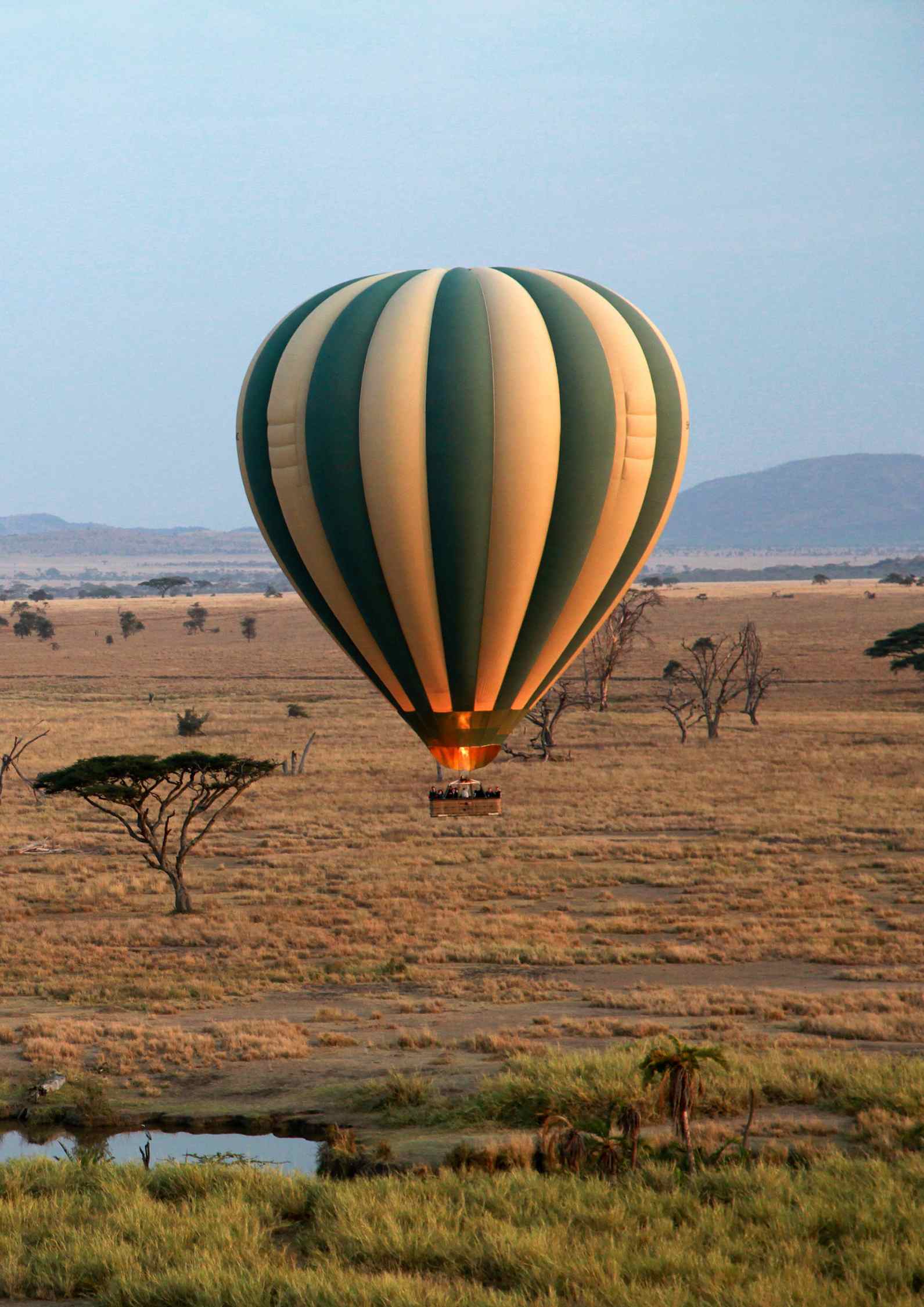
Over 2 million wildebeests, along with hundreds of thousands of zebras and gazelles, make an annual trek from the southern Serengeti to southern Kenya and back. They follow the rains and thus risk their lives to cross the Mara River in search of fresh grasses and water. You can also watch this spectacle with a hot air balloon safari for a unique perspective!
Learn more about the migration here.
September is considered one of the best months to go mountain climbing, with its dry trails and clear skies. If you are short on time but still want a taste of Kili, you can enjoy a day hike!
In Lake Natron, over 2.5 million lesser flamingos continue their nesting season. The continued warm, dry weather causes intense evaporation. This exposes the alkaline flats of the lake, which make for the perfect breeding grounds for these birds. The evaporation also gives Lake Natron a striking red appearance.
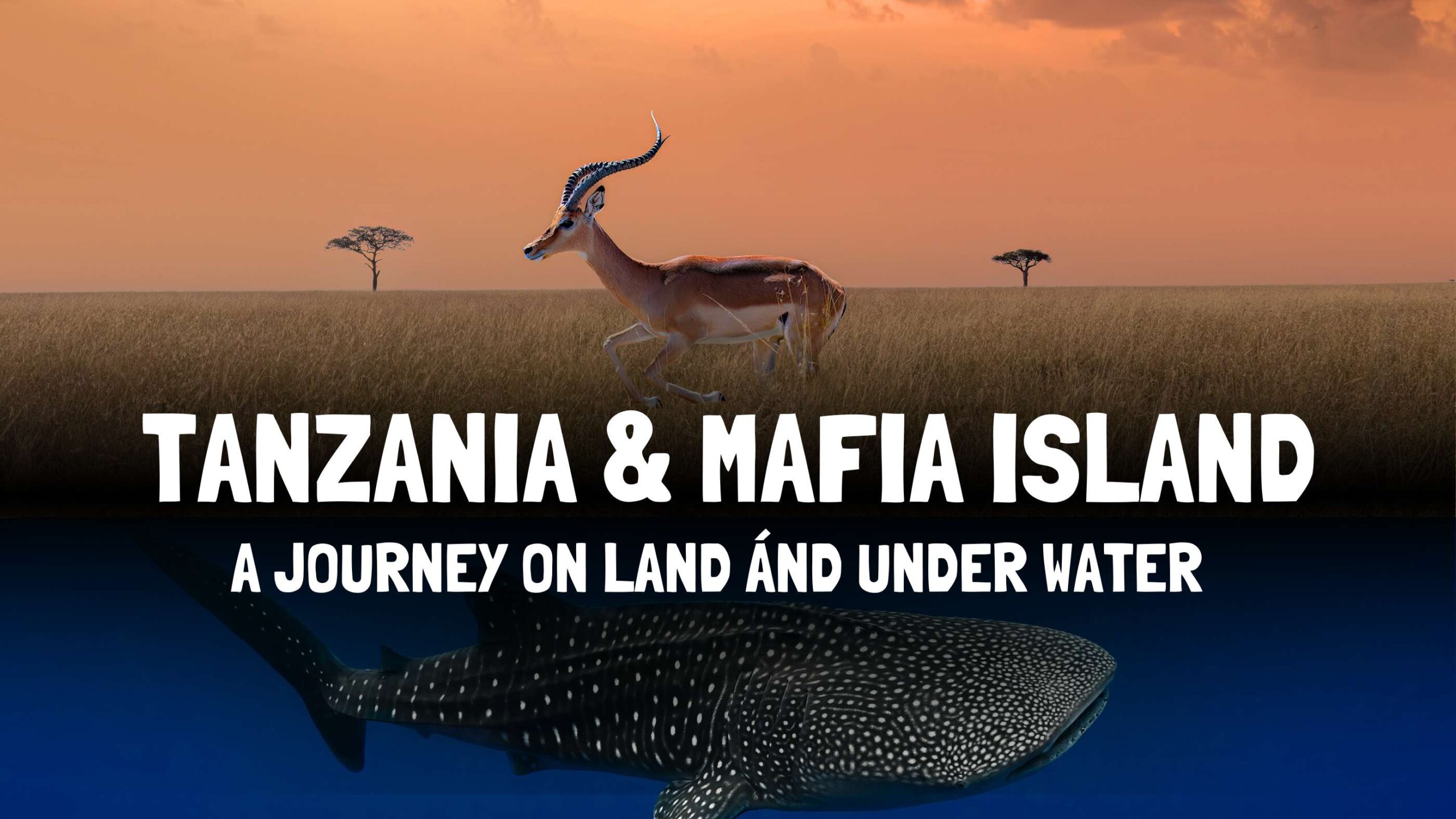
Along the coast, migrating humpback whales can be spotted. You can even go snorkeling with dolphins and whale sharks, as the latter will begin to appear this month due to their migration.
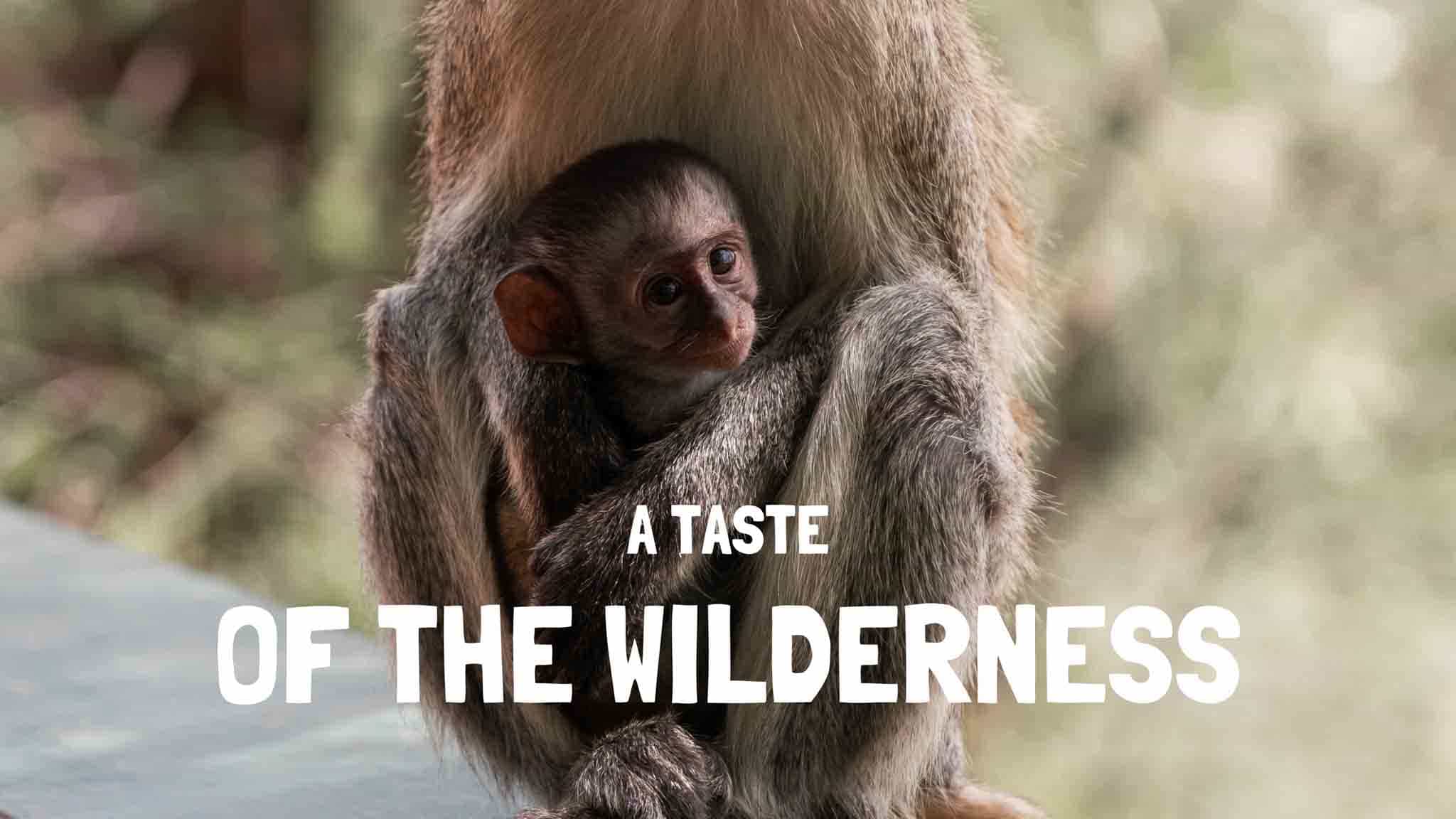
With its dry weather and clear skies, September also offers the perfect conditions for a walking safari. Spot monkeys, zebras, and warthogs up close in Arusha National Park, or enjoy a crater rim hike in Ngorongoro and learn more about the local flora and fauna.
In September, you can expect dry, sunny days. That is because September is part of the long dry season (June-October), which falls between the long rainy season (March-May) and the short rainy season (November-December). There is also a short dry season (January-February).
As the months progress, temperatures gradually rise, and by September the weather is pleasantly warm. The Indian Ocean averages around 25°C, making it ideal for swimming, snorkeling, and diving.
Since Tanzania lies in the Southern Hemisphere, the seasons are reversed. This means that temperatures will continue to rise instead of drop as the year continues.
September is the best month for spotting wildlife. The increasing temperatures and dry weather lure animals to permanent water sources. Watch interesting scenes as both predators and prey drink at water holes.
The vegetation has continued to dry out even further. This will make spotting animals easier.
September also offers clear skies, perfect for mountain climbing, stargazing, and photography. The only thing obstructing your view is an occasional dust cloud caused by the Kusi winds. However, along the coast, this constant, strong wind offers the perfect conditions for wind- and kitesurfing.
Besides the pleasant temperatures, the ocean also has great underwater visibility (up to 30 meters!), making September perfect for diving and snorkeling.
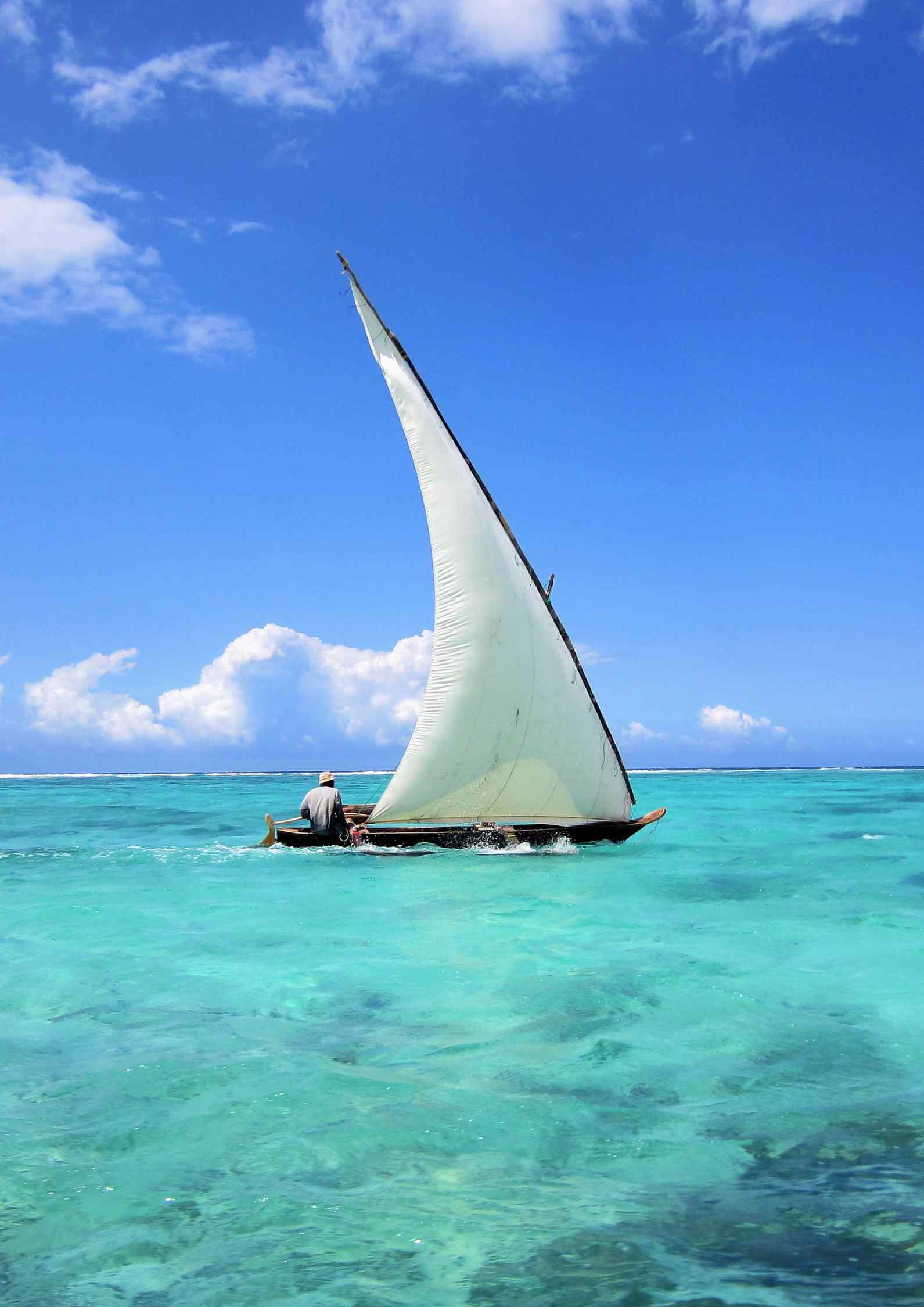
September remains high season, even as the school holidays end. This is because September is an amazing choice if you want excellent wildlife and weather conditions.
Accommodation prices will stay in the peak range, and many top lodges will be fully booked. We recommend booking them far in advance, ideally a year or at least six months ahead. Flight tickets also tend to be more expensive in the high seasons, which are from June to October and December to February.
Also keep in mind that park fees remain the same year-round.
September offers hot, dry weather. This means thin, breathable clothing and plenty of sun protection, like a hat or a high-SPF sunscreen, are recommended. Especially if you plan on doing outdoor activities, such as a walking safari or city tour.
We also suggest bringing a scarf or buff to keep dust out of your face during safaris since the winds and dry landscapes can cause dust clouds.
September offers everything Tanzania is famous for: endless sunshine, thrilling wildlife, and adventures from the mountains to the sea. It’s a month where you can watch wildebeest cross the Mara River, climb Kilimanjaro under clear skies, and unwind on pristine beaches, all in one journey.
Whether you’re tracking lions at dawn, canoeing on soda lakes, or meeting local tribes, September lets you experience Tanzania at its best.
Do you have questions about a safari to Tanzania? We’re happy to help! From practical tips to activity recommendations. Below, you’ll find answers to frequently asked questions to ensure a smooth and unforgettable journey.
If you can’t find your answer here, don’t hesitate to contact us directly. We’re here to assist you!