November marks the beginning of the short rainy season, and with it comes one of the most magical transformations of the year. The first showers breathe life back into the land, turning dusty plains into lush green fields almost overnight. This is a wonderful month for travelers who value peace, space, and a more personal experience.
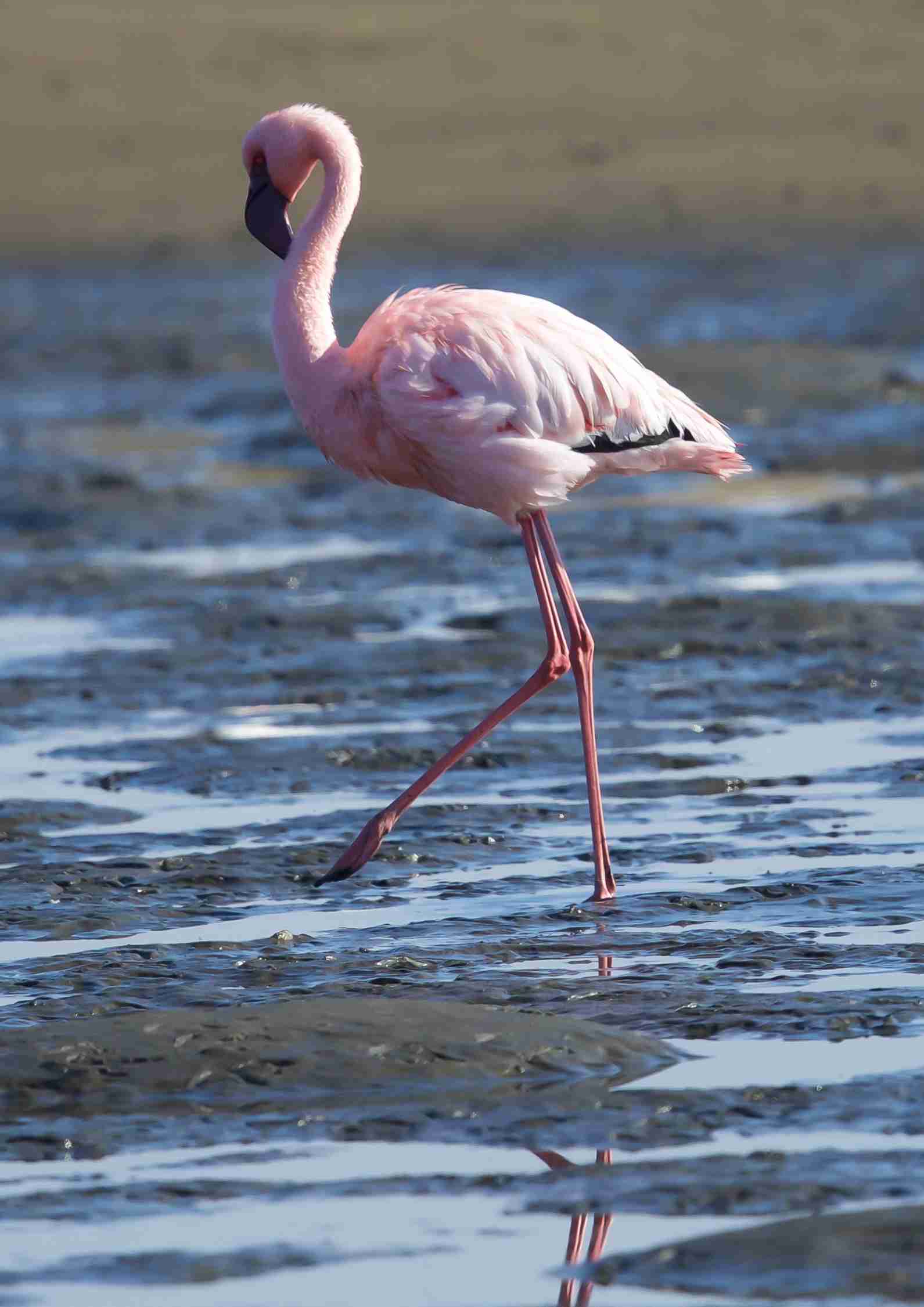
It’s also when the flamingo hatching season starts and when migratory birds arrive. Waterfalls become more powerful, birdlife becomes more abundant, and warm temperatures create comfortable conditions for safaris and beach days alike.
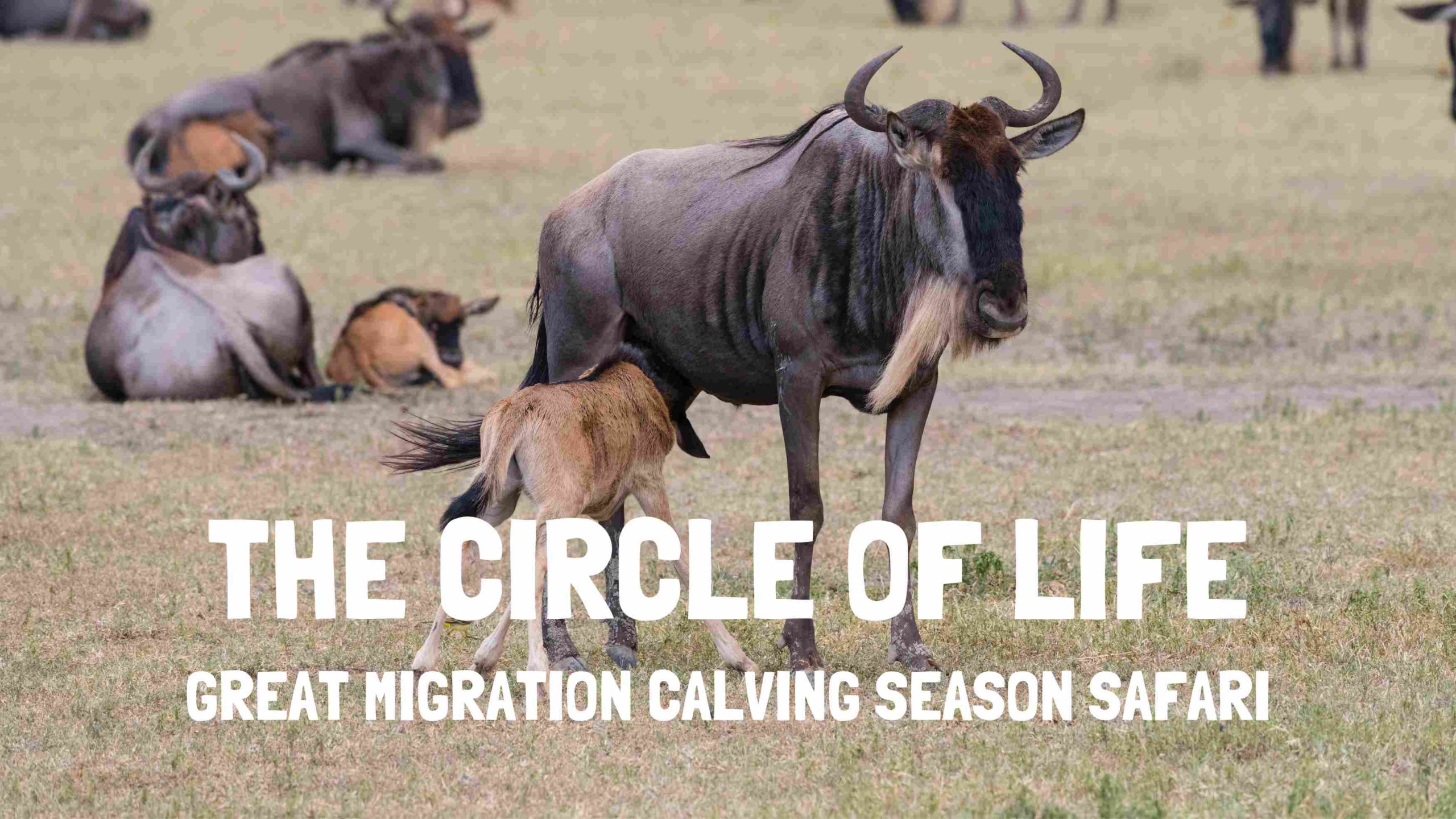
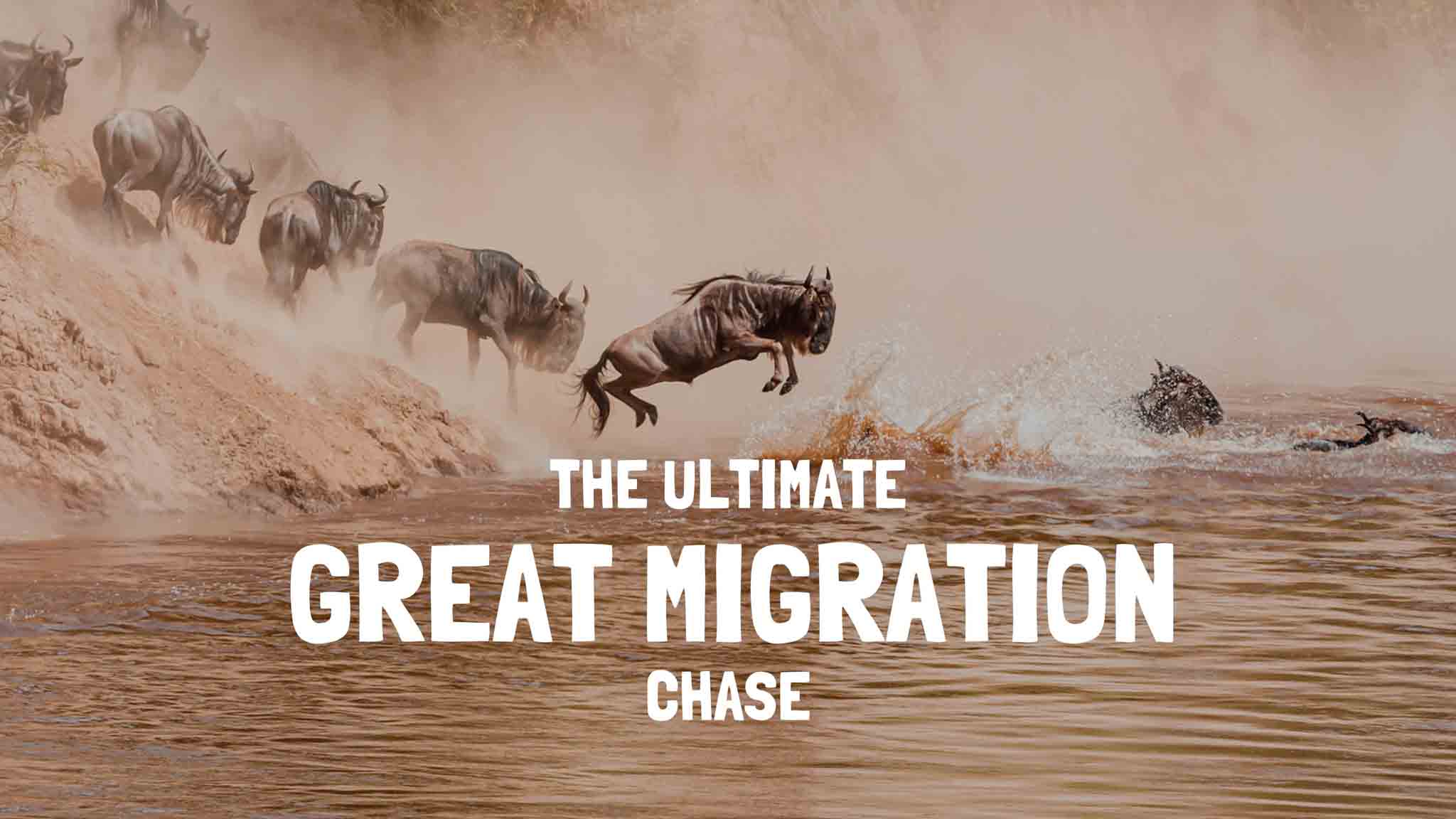
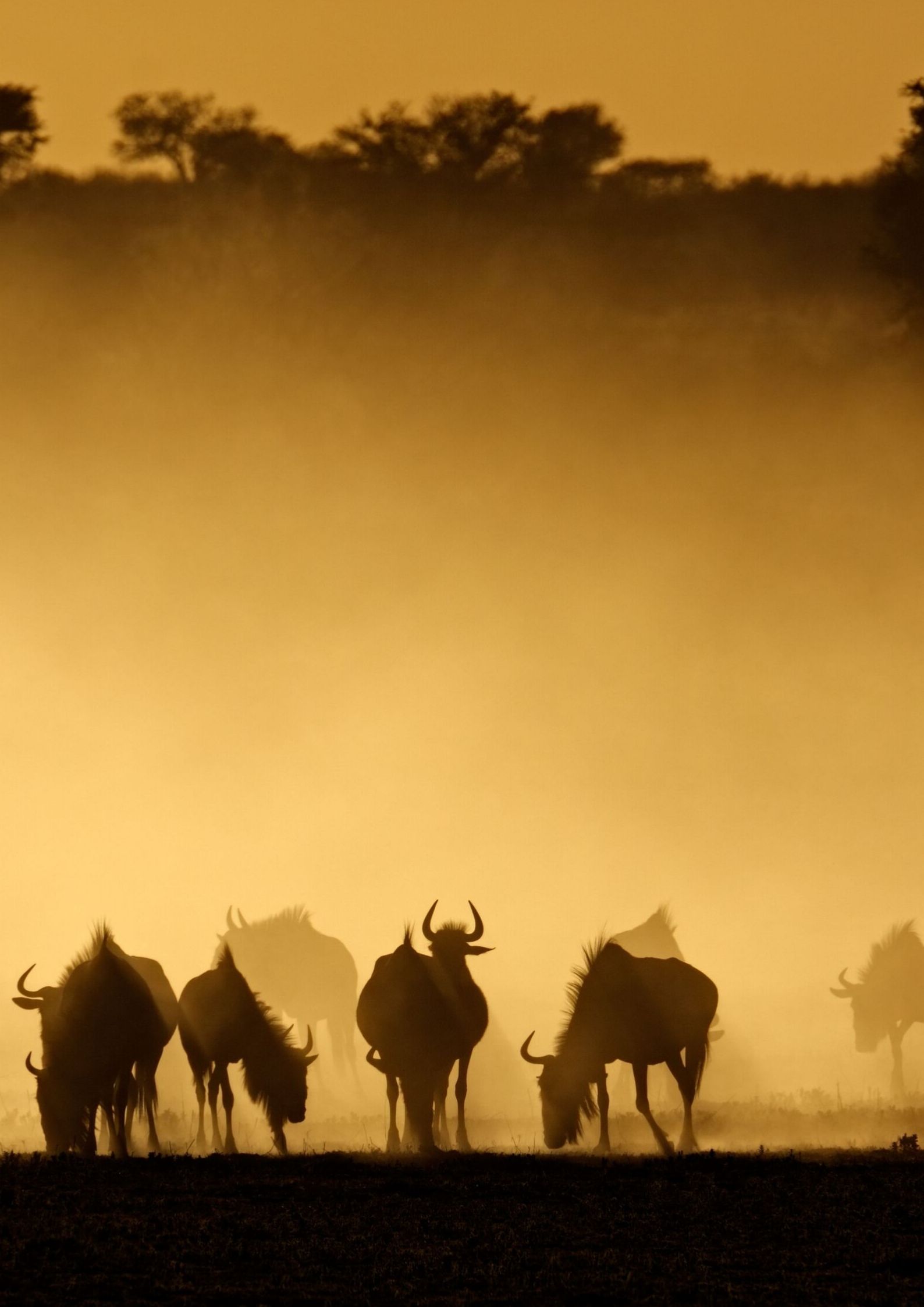
The Great Migration is in the eastern Serengeti, and predators follow closely behind. Over 2 million wildebeests complete a yearlong trek from Ndutu in the southern Serengeti to the Maasai Mara in southern Kenya and all the way down again. They are also joined by hundreds of thousands of zebras and gazelles.
They finished crossing the Mara River in October and are moving south to Ndutu for the coming calving season. The migration is divided into herds, and their speed can make them difficult to track, so we recommend booking an accommodation in the central Serengeti for the best chances. This is also because there are few accommodations in the eastern part.
You can learn more about the migration here.
For more reliable wildlife spotting, the Ngorongoro Conservation Area is the best option. This is due to lower vegetation and an abundance of water and food. All of the Big 5 can be found here as well.
Fun fact: The first ancient human remains were discovered in the Olduvai Gorge, which is part of the Ngorongoro Conservation Area. This site can also be visited.
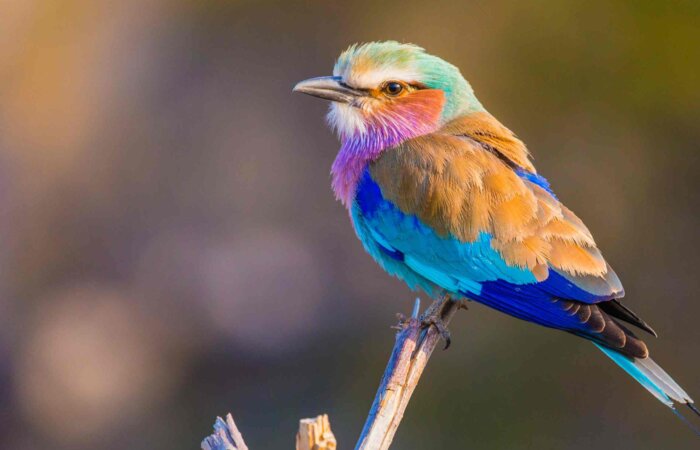
November offers spectacular birding due to migratory arrivals from Europe & Asia. You can also spot flamingos hatching along the shimmering red waters of Lake Natron with Ol Doinyo Lengai in the background, which you can also climb! You can also spot flamingos in other soda lakes like Lake Manyara and the Momella Lakes in Arusha NP.
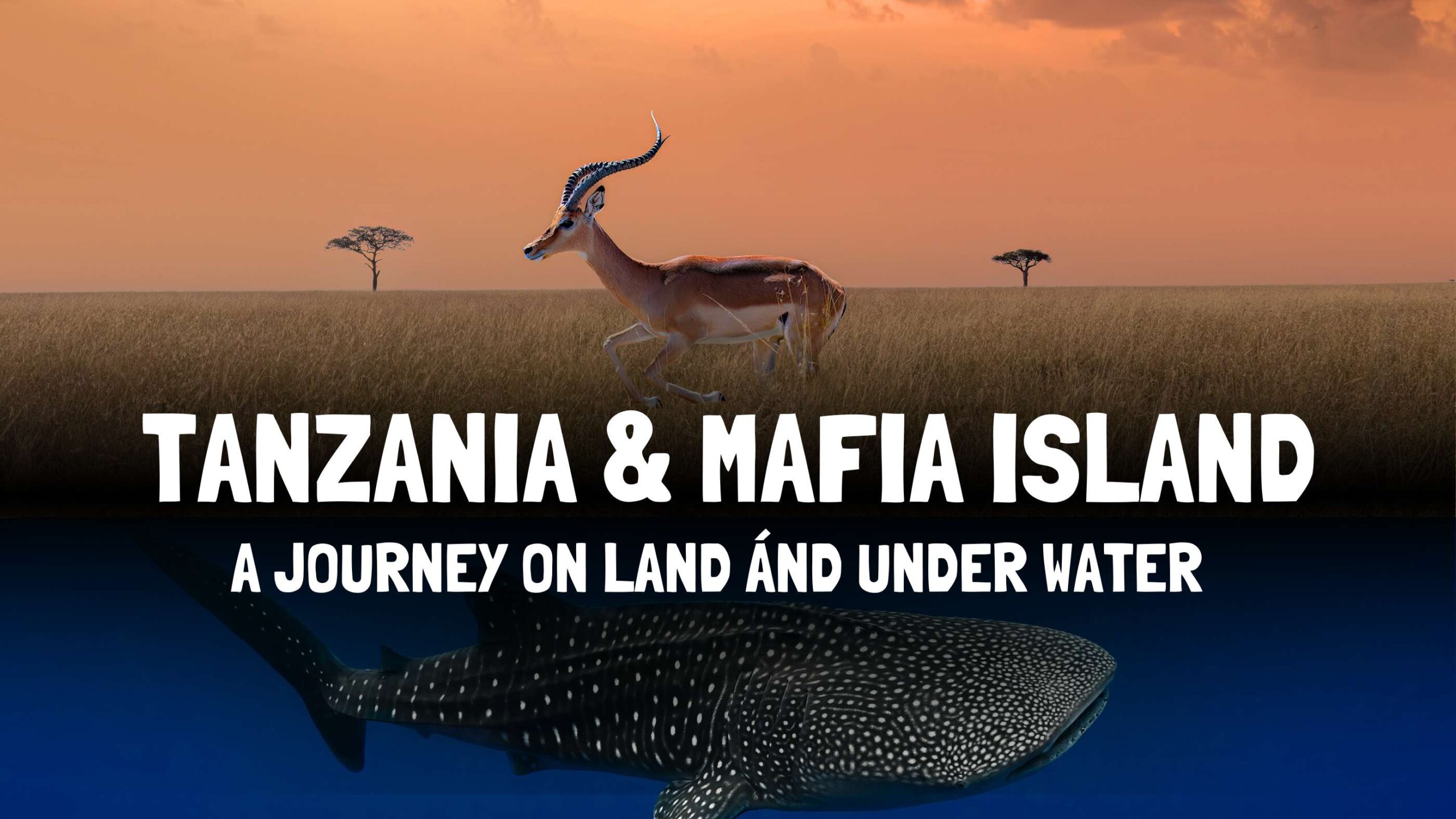
Enjoy a once-in-a-lifetime experience and go snorkeling with whale sharks around the coast of Mafia Island. Especially because the warm waters offer excellent conditions for diving and snorkeling. You can also snorkel with dolphins, or you can spot them along the coast. Do keep in mind that they are a bit more difficult to spot during the rains.
Since the rain comes in small bursts, you can still enjoy spice farms, sunset dhow cruises, or exploring islands and sandbanks, like Prison Island or the Nakupenda sandbank.
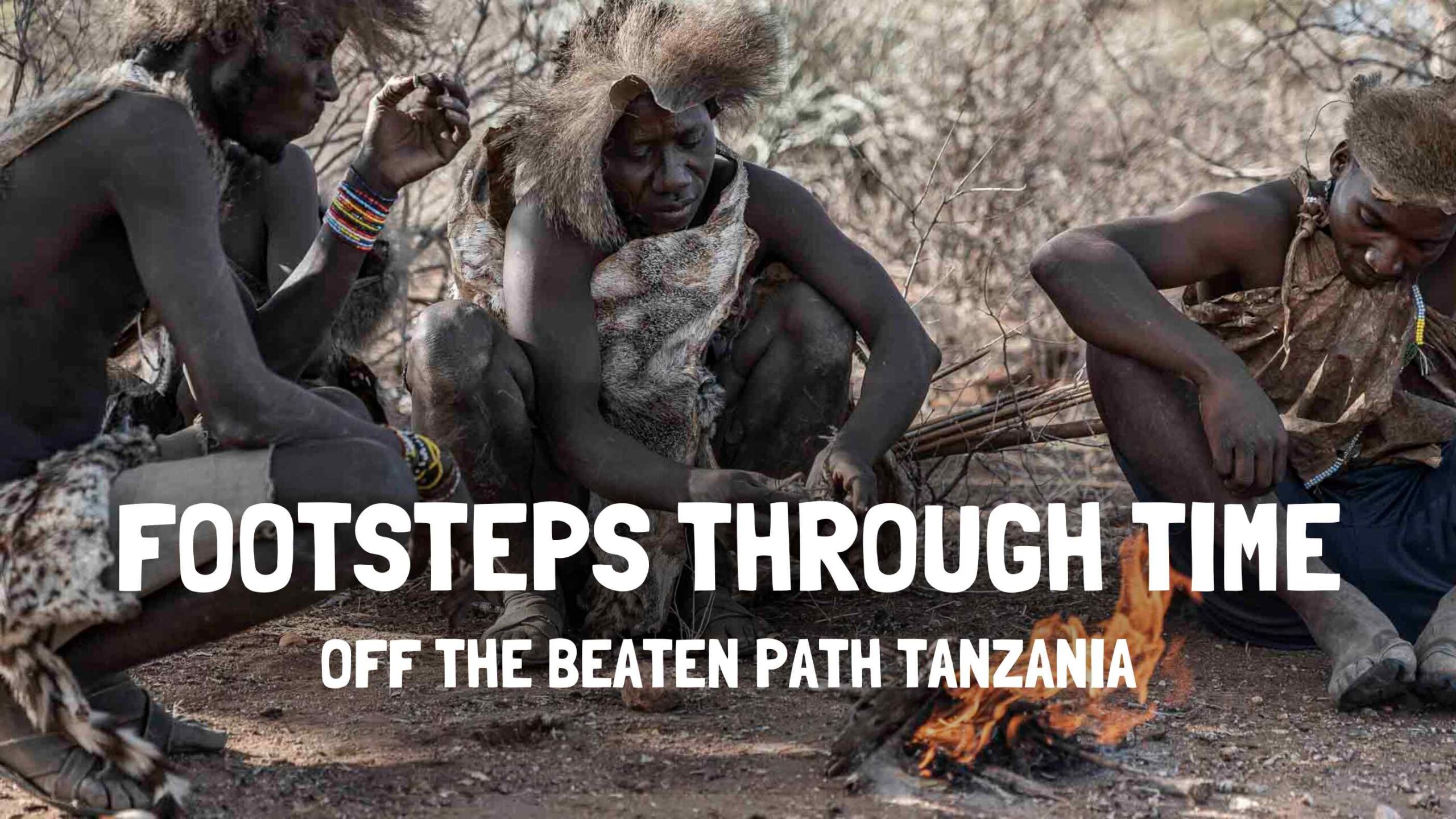
On the mainland you can also spend a day with the Maasai or learn how to hunt with the Hadzabe. Or learn how to cook traditional Tanzanian dishes from local mammas!
November is part of the short rainy season (November-December) that falls in between the long dry season (June-October) and the short dry season (January-February). From March to May, there is the long rainy season. In November, Tanzania’s weather is warm and humid and is refreshed by short bursts of rain.
November has temperatures from 25 degrees and above, and they will continue to rise throughout the month. This is because Tanzania lies in the Southern Hemisphere. That means that the seasons are reversed; winter months are warm and vice versa.
While the rains mark a seasonal shift, they rarely disrupt safaris since they are usually short and occur in the afternoon. In fact, they clear dust from the air and revive the scenery. If you’re combining a safari with the islands, the Indian Ocean is warm, perfect for swimming, snorkeling, and diving.
Animals can be a bit more difficult to spot, since they like to hide in the renewed greenery. Predators use it as a cover, while prey use it to hide away. Wildlife also tends to be more spread out since they are not confined to permanent water and food sources.
In the long rainy season, the showers can make unpaved roads in parks inaccessible. Luckily, November and December have short rains, which means roads remain open and you get more opportunities to track and spot wildlife.
November is low season and one of Tanzania’s quietest safari months, offering travelers a far more exclusive feel. November offers private, personal sightings with fewer vehicles.
Fewer crowds also means more availability, but it’s still wise to book in advance, ideally 6 months. Many lodges, namely luxury lodges, also offer lower rates, while park fees remain the same throughout the year.
If you love the idea of a calmer safari with more personal experiences, November is ideal.
November’s weather calls for light, breathable clothing that can handle the warmth but also dries quickly if you do encounter some rain during outdoor activities.
We also recommend packing a light rain jacket and water-resistant shoes.
November is a beautiful time to experience Tanzania! The landscapes turn green, the birdlife becomes extraordinary, prices are lower, and there are fewer crowds. The migration is on the move, waterfalls are full, and the rain brings drama and life rather than disruption.
If you want a quieter, more atmospheric safari with vibrant landscapes and warm temperatures, November is perfect for you!
Do you have questions about a safari to Tanzania? We’re happy to help! From practical tips to activity recommendations. Below, you’ll find answers to frequently asked questions to ensure a smooth and unforgettable journey.
If you can’t find your answer here, don’t hesitate to contact us directly. We’re here to assist you!